
How To
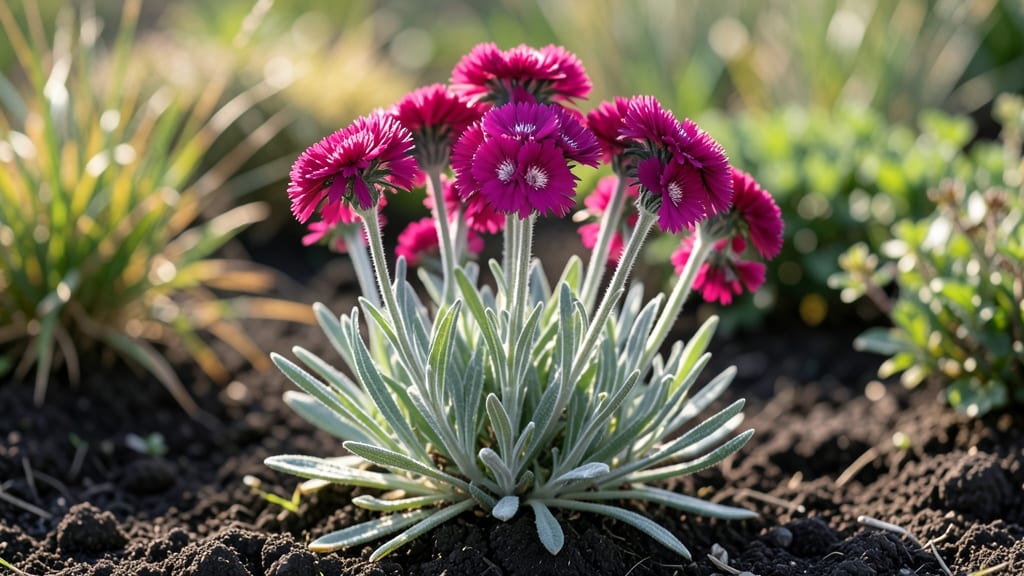
Sweet Williams 🌸 can grow anywhere from 6 inches to 24 inches tall, depending on the variety and how you care for them.
Picture this: a tiny 8-inch 'Tiny Tim' spilling over a windowsill in one bed, while a 2-foot-tall 'Blackout' stands proudly at the back of another. The same plant, different heights—it’s all about choosing the right cultivar and giving them the perfect growing conditions.
Sunlight, soil, and pruning play a huge role in their mature size. Too much shade or rich soil can make them leggy, while pinching back stems early encourages bushier, more compact growth.
Even spacing is key—crowd them, and you’ll stunt their potential; give them room, and they’ll reach their full glory.
In this guide, I’ll break down the height ranges of popular varieties, share my top tips for controlling their size, and help you pick the perfect Sweet Williams for your garden—whether you want a delicate border or a bold statement.


Sweet Williams height guide: dwarf to giant varieties explained
Sweet Williams (Dianthus barbatus) are one of the most versatile flowers for gardeners, offering everything from tiny cottage garden charm to bold border statements. Their height varies dramatically based on variety, with some reaching just 6 inches while others tower at 24 inches.
Choosing the right size for your space ensures your garden thrives without overcrowding or looking sparse.
Understanding these height differences helps you plan spacing, companion plants, and even container arrangements. For example, dwarf varieties shine in rock gardens or window boxes, while tall varieties create stunning backdrops for borders.
Let's explore the full range so you can pick the perfect Sweet Williams for your garden vision.
📏 Height is influenced by three key factors: genetics (variety), growing conditions, and care practices. While some varieties naturally stay compact, others can stretch when given too much fertilizer or shade. Proper pruning and sunlight exposure can also adjust their mature height by up to 30%.
If you're working with limited space, the Tiny Tim and Firewitch varieties are perfect for containers or window boxes. Their compact growth habit makes them ideal for urban gardens where every inch counts. For larger gardens or borders, varieties like Blackout and Jungle Cocktail create stunning vertical interest.
Proper spacing is crucial to prevent overcrowding, which can lead to stunted growth or disease spread. Follow the spacing guidelines in the table above to ensure each plant has room to reach its full potential.
For example, planting Tiny Tim too far apart will leave gaps, while crowding Jungle Cocktail can cause leggy stems.
Light exposure plays a huge role in height regulation. Sweet Williams grown in full sun (6+ hours daily) tend to be more compact and bushier, while those in partial shade may stretch toward the light.
If you notice your plants growing too tall or leggy, consider moving them to a sunnier spot or providing afternoon shade in hot climates.
Soil quality also affects height. Well-draining, nutrient-rich soil encourages healthy root development, which supports a stronger, more compact structure. Amend heavy clay soil with compost or sand to prevent root rot, which can weaken stems and cause plants to flop.
A simple soil test can reveal if your garden needs adjustments for optimal Sweet William growth.
For container gardening, choose dwarf varieties and use larger pots (at least 6 inches deep) to accommodate their root systems. Smaller containers can restrict growth, leading to stunted plants. Always include drainage holes to prevent waterlogging, which can cause root rot and affect overall plant height and vigor.
Sweet Williams thrive when you guide their growth early—especially if you want compact bushes instead of leggy stems. The key lies in pinching seedlings and strategic pruning techniques that encourage bushier, shorter plants or taller, more robust stems. Without intervention, many varieties naturally reach 18-24 inches tall, but with the right care, you can coax them to stay as short as 6-8 inches. Leggy growth happens when plants stretch for sunlight, often due to overcrowding or poor soil nutrients. Stunted growth, on the other hand, can result from over-pruning or nutrient deficiencies. The solution? A balanced approach that combines physical pruning, soil adjustments, and light management to achieve your desired height. One common mistake is pruning too late in the season, which can limit flowering. Always prune in early spring or right after the first bloom cycle. Another pitfall is over-fertilizing with nitrogen, which leads to leafy growth at the expense of flowers and compactness. Stick to a balanced fertilizer and monitor your plants’ response. For tall varieties, focus on providing well-draining soil and full sunlight to support their natural height. If you’re growing dwarf types, prioritize partial shade in hot climates to prevent stretching. With these techniques, you’ll achieve the perfect height for your garden design—whether that’s a neat 8-inch border or a showstopping 24-inch backdrop. 🌿How to control Sweet Williams height: pruning, pinching & care tips
🌱 Step-by-Step Guide to Controlling Sweet Williams Height
When seedlings reach 4-6 inches tall, pinch off the top set of leaves with your fingers. This encourages side branches to form, creating a bushier plant.
Cut back spent blooms to 1/3 of their height using clean pruners. This prevents legginess and promotes more flowers in subsequent flushes.
For shorter plants, use low-nitrogen fertilizer (e.g., 5-10-10). For taller stems, add compost-rich soil with balanced nutrients to support vertical growth.
Dwarf varieties need 6-8 inches apart, while tall types thrive with 12-18 inches spacing. Proper airflow reduces disease and prevents overcrowding-related legginess.
Remove faded flowers consistently to redirect energy into new growth rather than seed production, which can stunt height.
Apply 2-3 inches of mulch around the base to retain moisture and discourage excessive vertical stretching for a neater appearance.