
Fertilization
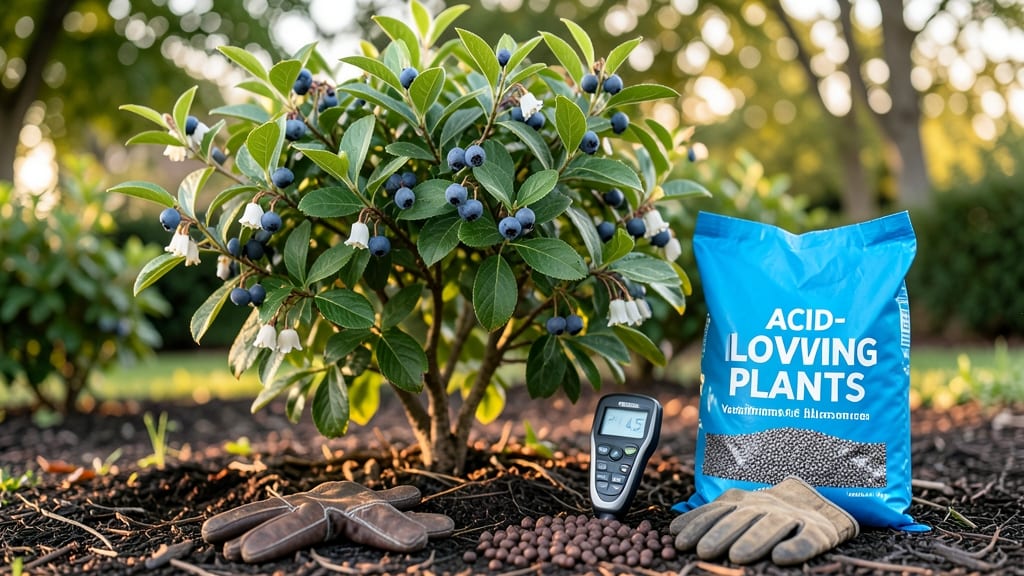
Fertilizing blueberry bushes at the right time can transform a struggling 🫐 plant into a fruit-bearing powerhouse — and getting it wrong risks stunted growth or even plant death.
You’ve probably heard that blueberries love acid, but timing matters just as much. Too early, and you’ll burn delicate roots; too late, and your bushes miss the growth window entirely. The secret lies in a spring and fall schedule that aligns with your plant’s natural cycle — not guesswork.
In this guide, I’ll walk you through the exact months to feed your bushes (like March-April in Zone 6a), whether to use organic or synthetic fertilizers, and how to spot signs of over- or under-feeding before it’s too late.
By the end, you’ll know not just when to fertilize, but how to do it for maximum berry production — no more wasted bags of fertilizer or disappointed harvests.

Optimal spring fertilization schedule for blueberry bushes
Spring is the most critical time to fertilize your blueberry bushes—this is when they wake up from dormancy and need a nutrient boost to fuel new growth and fruit production. But timing matters: fertilizing too early or too late can stress your plants or even stunt their development.
The key is to feed them just as they begin to break dormancy, typically 4-6 weeks before the last frost date in your zone.
Blueberries are acid-loving plants, so their fertilizer must match their soil pH needs. Aim for a soil pH between 4.5 and 5.5—any higher, and your bushes won’t absorb nutrients efficiently, leading to yellow leaves and poor fruit set.
Before applying fertilizer, test your soil’s pH with a home testing kit or send a sample to your local extension office for accurate results.
For early varieties (like 'Duke' or 'Jersey'), fertilization should start as early as late February or March in warmer climates (Zones 7-9), while late varieties (like 'Bluecrop' or 'Patriot') can wait until April or early May in cooler regions (Zones 3-6).
The goal is to align feeding with bud break, not frost dates—watch for swollen buds as your cue.
When Should You Fertilize Blueberry Bushes?
- 1
- 2
- 3
- 4
- 5
Use a soil pH test kit 4-6 weeks before your last frost. Ideal pH: 4.5–5.5. If pH is too high, amend with elemental sulfur or peat moss before fertilizing.
Use a slow-release, acid-loving fertilizer like cottonseed meal (13-0-0), ammonium sulfate (21-0-0), or a balanced NPK (10-10-10) with micronutrients. Avoid high-nitrogen fertilizers like lawn food—they raise pH over time.
Spread 1 tbsp of slow-release granules per year of plant age (e.g., 3 tbsp for a 3-year-old bush) around the drip line. Water deeply to activate nutrients. For organic options, mix 1 cup of compost or peat moss into the top 2 inches of soil.
Yellow leaves? Too much nitrogen. Brown tips? Possible over-fertilization or dry soil. Adjust by watering deeply or reducing fertilizer amounts next time. Mulch with pine needles or wood chips to maintain acidity.
For heavy bearers, apply a light feeding (half the spring dose) 6-8 weeks after harvest to replenish nutrients. Avoid fertilizing after mid-summer—it encourages tender new growth that won’t survive frost.
If you’re growing blueberry bushes in containers, the rules are slightly different. Container soil dries out faster and leaches nutrients quicker, so use a water-soluble acid fertilizer every 4-6 weeks during the growing season.
Always water thoroughly after fertilizing to prevent root burn—blueberries hate soggy roots but need consistent moisture.
One common mistake I see is over-fertilizing in spring, which can lead to excessive leafy growth at the expense of fruit. Blueberries prioritize fruit production over foliage, so aim for a balanced NPK ratio (like 10-10-10) rather than a high-nitrogen formula.
Too much nitrogen = lush leaves, tiny berries, or no berries at all. Think of fertilizer as a slow drip of nutrients, not a one-time boost.
Pro tip: Pair your spring fertilization with a 2-3 inch layer of mulch (like pine straw or shredded leaves) to lock in moisture and gradually release nutrients.
This mimics their natural forest-floor habitat and keeps roots cool in summer. Just avoid piling mulch against the stem—leave a 2-inch gap to prevent rot.
Finally, remember that regional climate matters. In Zone 5 or colder, wait until soil temperatures reach 50°F (10°C) before fertilizing. In Zone 8 and warmer, you might fertilize as early as January to kickstart growth.
Always adjust based on your last frost date and the specific blueberry variety you’re growing.
By following this schedule, your blueberry bushes will thrive with vibrant foliage, strong canes, and a bountiful harvest—all thanks to the right nutrients at the right time. Happy growing! 🫐
Fall fertilization secrets: why late-season feeding boosts next year’s harvest
Fall fertilization might seem counterintuitive—after all, your blueberry bushes are preparing for dormancy. But this strategic late-season feeding actually strengthens roots and sets the stage for next year’s fruit production.
The key lies in timing: applying fertilizer 6-8 weeks before frost allows nutrients to absorb without encouraging tender new growth that won’t survive winter.
Blueberries thrive when fed with low-nitrogen, acid-loving fertilizers like cottonseed meal or ammonium sulfate. These options provide essential nutrients while maintaining the ideal pH range (4.5-5.5). Organic choices like composted pine bark or peat moss also work well, breaking down slowly to feed roots throughout winter.
⚠️ pros-cons-box ⚠️
Fall Fertilization for Blueberries
| Option | Pros | Cons |
|---|---|---|
| Organic (Cottonseed Meal) | Slow-release, improves soil structure | Requires 2-3 months to break down |
| Ammonium Sulfate | Fast-acting, lowers pH quickly | Risk of over-application, burns roots |
| Peat Moss | Holds moisture, acidifies soil | Depletes over time, not renewable |
| Composted Pine Bark | Long-term soil health, sustainable | Expensive, slower nutrient release |
Best for: Established bushes (3+ years old) in USDA Zones 5-8
Avoid fertilizing too late in the season—after mid-October in most climates—as new growth won’t harden off before frost. Instead, focus on mulching with pine needles or wood chips (2-3 inches deep) to insulate roots and slowly release nutrients.
This dual approach ensures your bushes wake up in spring with a nutrient reserve and strong root system.
Young blueberries (1-2 years old) don’t need fall feeding—prioritize establishing roots with light spring fertilization instead. For mature bushes, split your fall dose into two applications: the first in early September and the second in late October.
Always water thoroughly after applying fertilizer to prevent root burn.
Watch for signs of over-fertilization, like yellow leaves or stunted growth, which can occur if you apply too much nitrogen. If this happens, flush the soil with water and reduce future doses by half. The goal is to feed roots, not leaves, during this critical prep period.
With the right fall fertilization strategy, your blueberries will reward you with earlier blooms, larger fruit clusters, and healthier canes next season. It’s one of the best-kept secrets in blueberry care that separates good harvests from exceptional ones. 🫐