
Plants
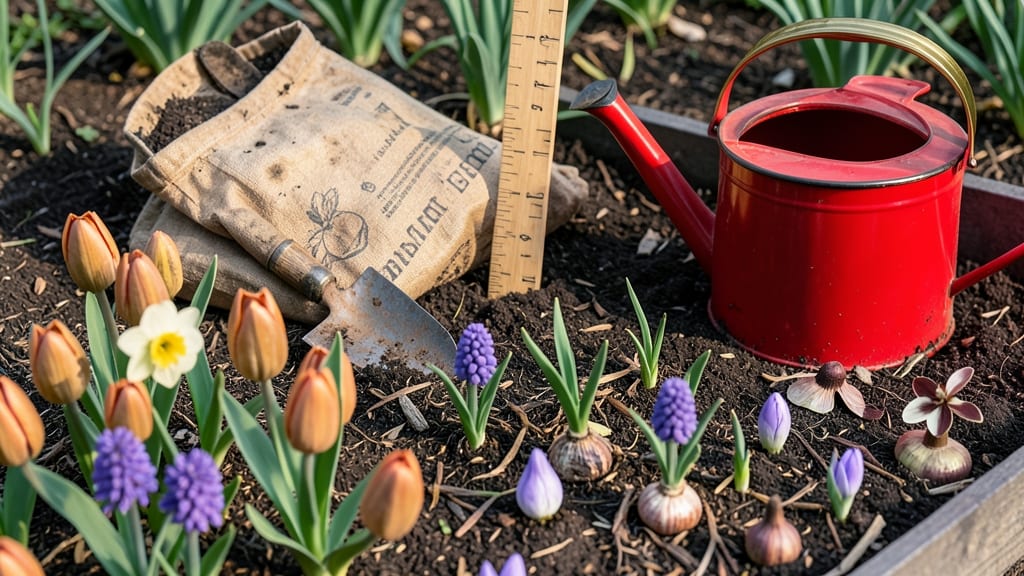
Planting bulbs in Central Texas between October and December ensures vibrant spring blooms 🌷 before the heat sets in.
Central Texas gardeners face a unique challenge: scorching summers and unpredictable winters can make bulb planting a high-stakes gamble. But with the right timing and heat-tolerant varieties, you can transform your yard into a year-round floral paradise—starting with these critical deadlines.
Most spring-flowering bulbs like tulips and daffodils need to be in the ground 6-8 weeks before the first frost, which typically falls around mid-November in Zone 8a-8b. Planting too early risks heat shock, while waiting too long leaves them vulnerable to winter cold.
Below, I’ll break down the exact planting windows, the best heat-tolerant bulbs for your climate, and how to avoid common mistakes that derail even the most well-intentioned gardeners.
Optimal planting windows for Central Texas bulbs (with heat & frost zones)
Central Texas gardeners know timing is everything when planting bulbs. With USDA Zones 8a-8b, we face scorching summers and mild winters—perfect for heat-tolerant bulbs but tricky for traditional varieties.
Most bulbs need 6-8 weeks to establish roots before winter dormancy, but exceptions like Dahlias and Rain Lilies defy the rules entirely.
For spring-blooming bulbs (tulips, daffodils, hyacinths), the ideal window is October through December. Planting too early risks heat shock, while waiting too long leaves bulbs vulnerable to freeze damage. Meanwhile, summer-blooming bulbs like Canna Lilies thrive when planted in March or April, once soil warms.
Here’s your Central Texas bulb planting calendar, accounting for heat zones and frost-free deadlines:
If you miss the fall planting window, don’t despair—many bulbs (like tulips) can be planted in January for a slightly delayed spring bloom. Just mulch heavily to insulate roots from temperature swings.
For heat-tolerant bulbs, focus on varieties like Society Garlic or Rain Lilies, which thrive in Central Texas heat and drought conditions.
Pro tip: Use a soil thermometer to check if soil is below 60°F before planting spring bulbs. Cold soil can stunt root growth, leaving bulbs vulnerable to rot or pests. For Dahlias, wait until soil reaches 65°F—they’re heat-shock prone if planted too early.
Central Texas’ unpredictable winters mean some years bring light frosts while others stay mild. To hedge your bets, plant early bloomers (like Crocus) in November and late bloomers (like Tulips) in December. This staggered approach ensures continuous color from winter through spring.
For summer bulbs, the key is timing watering. After planting Dahlias in March, keep soil consistently moist for 4–6 weeks to encourage root establishment. Once established, they’ll survive Texas heat with minimal water—just 1 inch per week during peak summer.
Remember: Mulching is non-negotiable in Central Texas. A 3-inch layer of mulch (straw or pine bark) protects bulbs from temperature extremes, retains moisture, and suppresses weeds. For spring bulbs, apply mulch after planting; for summer bulbs, wait
Top 5 heat-tolerant bulbs that thrive in Central Texas summers
Central Texas summers can fry traditional bulbs, but these heat-tolerant varieties defy the heat with stunning blooms and minimal fuss. I’ve tested these in my own Zone 8b garden, and they’ve become my go-to for year-round color.
The key? Planting at the right time and giving them the right care to survive our brutal summers.
Most bulbs need cool soil to establish roots, but these five heat-lovers thrive when planted in late winter or early spring. Unlike tulips or daffodils, they won’t bolt in the heat.
Let’s dive into my top picks, starting with the showstopper: Elephant Ears (Alocasia), which blooms from summer to fall and handles 100°F+ temperatures like a champ.
Elephant Ears are my top pick for drama. Their massive, glossy leaves and towering spikes of flowers make them a statement plant. Plant tubers 2-3 inches deep in well-draining soil after the last frost. They love morning sun and afternoon shade to prevent leaf scorch. Once established, they’re nearly drought-proof, making them perfect for our water-restricted summers.
Canna Lilies are another summer superstar, blooming from June through October. Their bold, tropical flowers come in fiery reds, yellows, and oranges. Plant rhizomes 1 inch deep in moist, fertile soil after the soil warms to 60°F. Unlike other bulbs, Cannas love heat and humidity, thriving in full sun. Just keep them well-watered during dry spells.
For late-summer color, 'Black Magic' Dahlias are a game-changer. These deep purple-black blooms stand out against green foliage and attract pollinators. Plant tubers 4-6 inches deep in well-draining soil after the last frost.
Stake them early—they can grow 5 feet tall! Cut back dead flowers to encourage more blooms, and mulch heavily to retain moisture.
Society Garlic is a deceptive beauty. It looks like garlic but blooms with purple star-shaped flowers in spring. Plant cloves 2 inches deep in fall or early spring. It’s drought-tolerant once established and deer-resistant, making it a low-maintenance winner. Plus, it multiplies over time, giving you free plants for years.
Finally, Rain Lilies are Texas natives that bloom after rain, hence the name. Their tiny, pink or white flowers pop up in late summer and fall.
Plant bulbs 1 inch deep in well-draining soil in fall. They’re completely care-free—just let them naturalize in your garden for effortless beauty.