
Plants
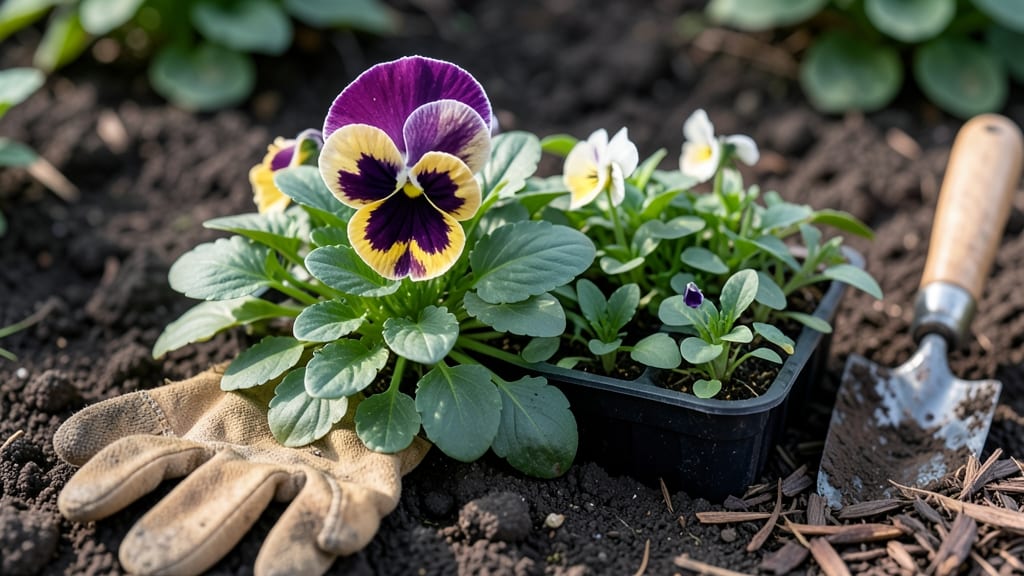
Planting pansies in Zone 7 at the right time means year-round color—but miss the window, and you’ll end up with sad, struggling blooms before they even open.
Pansies 🌸 love cool weather, but in Zone 7, that means timing your plantings for early fall or late winter—any later, and the summer heat will fry them before they bloom.
I’ve learned the hard way that a September start gives you flowers through winter, while a March planting ensures spring color.
Here’s the breakdown: how to read your local frost dates, which pansy varieties handle Zone 7’s swings, and the simple care tricks that keep them blooming for months—not weeks.
You’ll leave this guide knowing exactly when to plant, how to prep the soil, and the one trick that extends blooms by nearly half the season.
Best planting times for pansies in Zone 7: fall and spring windows explained
Pansies love cool weather, but in Zone 7, planting them at the wrong time means missing out on vibrant blooms. The key is timing—too early, and they bolt in summer heat; too late, and frost catches them.
I’ve found the sweet spot lies in two windows: early fall and late winter/early spring. These periods give pansies the perfect balance of cool temps and daylight to thrive.
In Zone 7, the average last frost date is around April 15, while the first frost typically arrives October 15. Pansies can handle light frosts, but extreme cold or summer heat will stress them.
By planting in these two windows, you’ll avoid both extremes and enjoy continuous blooms from fall through spring.
Why these timings work: Fall planting (late August to early October) lets pansies establish roots before winter, while spring planting (February to early April) ensures they bloom just as summer heat arrives. Both strategies maximize flowering potential and minimize stress. Let’s break down each window’s ideal conditions.
| Planting Window | Ideal Months | Temperature Range | Days to Bloom | Key Consideration |
|---|---|---|---|---|
| Early Fall | Late August – Early October | 50–70°F (10–21°C) | 6–8 weeks | Avoid planting after October 1 to prevent frost damage. |
| Late Winter/Early Spring | February – Early April | 40–60°F (4–15°C) | 8–10 weeks | Plant 4–6 weeks before last frost for spring blooms. |
For fall planting, aim to get pansies in the ground 6–8 weeks before the first frost. This gives them time to root deeply before winter dormancy. In Zone 7, that means late August to early October.
I’ve noticed that pansies planted in September often produce the most robust blooms, as they establish roots in mild fall weather and bloom through winter.
The ideal soil temperature for planting pansies is between 50–70°F (10–21°C). If you plant too early (e.g., July), the heat will stress the seedlings, causing them to bolt prematurely.
Conversely, planting too late (e.g., November) risks frost damage before they take hold. Always check your local frost dates to adjust timing.
Spring planting is equally critical. Start seeds or transplant 4–6 weeks before your last frost date, which in Zone 7 is typically mid-March to early April. This timing ensures pansies bloom just as summer approaches, providing early-season color before heat-sensitive varieties fade.
I’ve had success with February plantings in sheltered microclimates, but frost remains a risk.
To avoid summer heat stress, never plant pansies after April 15 in Zone 7. High temperatures cause pansies to wilting and stop blooming. Instead, treat them as a cool-season annual and plan for fall replanting. Succession planting—adding new pansies every 4–6 weeks—keeps your garden vibrant year-round.
One pro tip I’ve learned: mulch newly planted pansies with 2–3 inches of straw to insulate roots during winter frosts and retain moisture in summer heat.
This simple step extends their lifespan and blooming season. Pair this with morning watering to prevent fungal issues, and you’ll have pansies thriving in both seasons.
Finally, choose heat-tolerant varieties like ‘Matrix’ or ‘Cool Wave’ if you’re pushing the spring window later. These types handle slightly warmer temps better than traditional pansies. With the right timing and care, you’ll enjoy nonstop color from fall through spring—no summer break needed!
🌸
How to extend pansy blooms in Zone 7: succession planting and care tips
To keep your garden bursting with pansy blooms from early fall through spring, succession planting is your secret weapon. By staggering plantings every 4-6 weeks, you create overlapping bloom cycles that prevent gaps in color.
Zone 7’s mild winters and hot summers demand this strategy—otherwise, you’ll face wilting pansies during heatwaves or missed blooms in transitional months.
Start with soil preparation that’s rich in organic matter but well-draining. Pansies hate soggy roots, so amend heavy clay with compost and sand. A pH of 5.8-6.5 ensures they absorb nutrients efficiently. This step is non-negotiable—skipping it leads to leggy plants and sparse flowers.
- September 1-15: Plant first batch for fall blooms before 90°F heat arrives. Choose heat-tolerant varieties like 'Matrix' or 'Cool Wave'.
- October 15-31: Add second planting as temps drop below 80°F. Mulch with 2-3 inches of straw to protect from late frosts.
- March 1-15: Plant third batch 4-6 weeks before last frost (April 15 in Zone 7). Use row covers if nights dip below 32°F.
- April 15-30: Final planting for late-spring blooms. Space 8-10 inches apart to prevent overcrowding.
Watering pansies requires precision. Morning watering (before 10 AM) prevents fungal diseases, while deep soaking encourages strong root growth. In Zone 7, aim for 1 inch of water weekly, but increase to 1.5 inches during summer heat.
Let soil dry slightly between waterings—soggy soil causes root rot faster than drought stress.
Fertilizing on a 4-6 week schedule keeps pansies blooming prolifically. Use a balanced 5-10-10 fertilizer in early spring and fall, but skip summer feeding—the heat stresses plants.
Instead, side-dress with compost tea for a gentle nutrient boost. Over-fertilizing leads to leafy growth at the expense of flowers, which defeats the purpose.
Protect pansies from Zone 7’s temperature extremes with simple tricks. Use frost cloths on late fall evenings when temps drop below 35°F, and provide afternoon shade during summer’s peak heat.
Deadheading spent blooms redirects energy to new flowers, extending each plant’s lifespan by 30-50%. This small habit makes a huge difference in your garden’s continuous color.
Watch for common mistakes like overcrowding or inconsistent watering. Pansies need air circulation—packed plants invite powdery mildew. And never let them dry out completely; even drought-tolerant varieties like 'Majesty' wilt faster when stressed.
With these care tips, your Zone 7 garden will stay a pansy paradise from September to May. 🌸