
How To
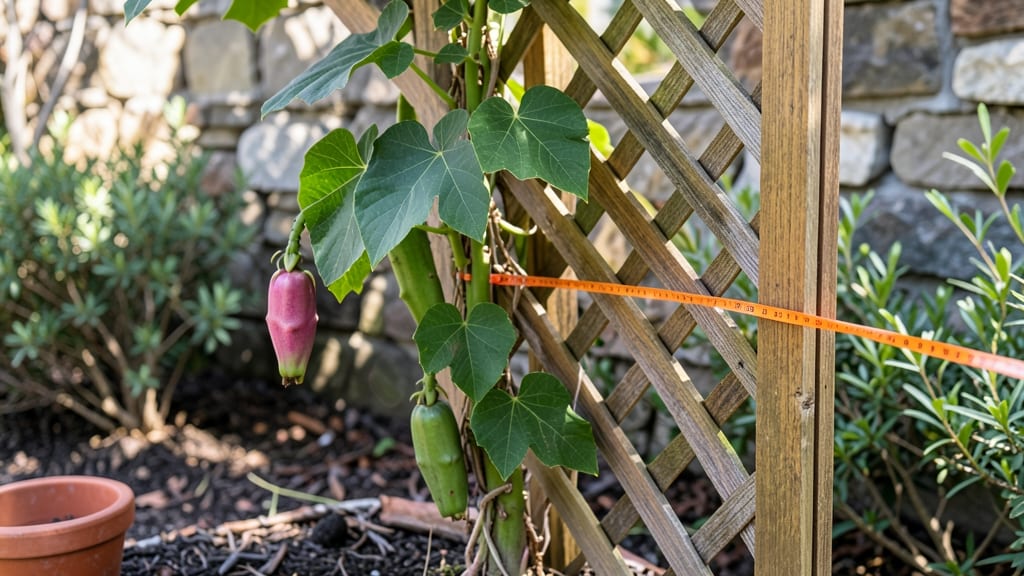
Dragon fruit grows to a towering 15–20 feet tall on its vines, climbing like a jungle explorer 🐉 — but don’t let that scare you off if you’re short on space.
If you're dreaming of growing your own dragon fruit but worried about space, you're not alone. Many gardeners assume these tropical plants need acres of land. The truth? With the right support and care, even small gardens can thrive with this exotic fruit.
This vine isn’t just tall—it’s also a heavy climber, so trellises or sturdy stakes become your best friends. Without support, it sprawls, but with a little guidance, you can train it to grow vertically, saving precious ground space.
Below, I’ll break down how to manage its height, from choosing the right support to pruning tips that keep it productive without taking over your yard.


Dragon fruit plant height: how tall they grow and what affects their size
Dragon fruit plants, also called pitaya, are vigorous climbing vines that can reach impressive heights when given the right conditions. Without proper support, these tropical beauties often grow 15 to 25 feet tall, making them perfect for large gardens or trellis systems.
Their growth habits are similar to grapevines but with a more robust structure, capable of producing edible fruit along their lengthy stems.
The height of your dragon fruit vine depends on several factors, including climate conditions, pruning practices, and the type of support structure you provide. In warmer climates like USDA Zone 9b or higher, vines can grow faster and taller, while cooler regions may see more moderate growth.
Understanding these factors helps you plan for the right space and care from the start.
| Growth Stage | Height Range | Key Characteristics |
|---|---|---|
| Year 1 | 5–10 ft | Focus on root and vine establishment; minimal fruit production |
| Year 2 | 10–15 ft | Rapid vertical growth; first significant flowering and fruiting |
| Year 3+ | 15–25 ft | Mature height; peak fruit production with proper care |
| Indoor Growth | 3–8 ft | Slower growth; limited by light and space; requires strong support |
One of the most critical factors affecting dragon fruit height is climbing support. Without a trellis, fence, or sturdy structure, vines sprawl horizontally, which can actually reduce fruit production and make harvesting difficult.
A well-designed trellis encourages upward growth, allowing the vine to reach its full 15–25 foot potential while keeping the garden organized and accessible.
Pruning plays a huge role in managing vine height and encouraging fruit-bearing branches. Regular pruning—especially during the dormant season—helps control excessive growth and redirects energy toward producing more fruit.
I recommend pruning back overgrown sections in late winter or early spring to maintain a manageable height while promoting bushier growth.
Outdoor cultivation in ideal climates allows dragon fruit vines to thrive, but indoor growing presents unique challenges. In containers or greenhouses, vines typically grow 3 to 8 feet tall due to limited space and light.
To maximize indoor growth, use a strong support structure like a vertical trellis or cage and supplement with grow lights if natural sunlight is insufficient.
Dragon fruit vines also respond well to seasonal adjustments. During the active growing season (spring and summer), they grow most rapidly, while cooler months slow their progress. In regions with frost, vines may die back but often regrow from the base in warmer weather.
This seasonal cycle is key to managing height and ensuring consistent fruit production.
If you're growing dragon fruit in a small garden or balcony, focus on compact training techniques. Prune aggressively to encourage lateral branches and use a small trellis or wall-mounted system to keep the vine contained.
With the right approach, you can enjoy dragon fruit even in limited spaces without sacrificing yield or health.
Another factor to consider is the variety of dragon fruit you choose. While most commercial varieties reach similar heights, some tropical climates may see slightly taller or bushier growth.
For example, Hylocereus undatus (the most common variety) typically grows taller than Hylocereus costaricensis, which may have a slightly more compact habit.
To summarize, dragon fruit vines are naturally tall climbers that benefit from proper support, pruning, and seasonal care. Whether you're growing outdoors in a warm climate or indoors with limited space, understanding these growth factors will help you cultivate a healthy, productive vine.
With the right approach, you can enjoy homegrown dragon fruit without worrying about unmanageable height.
Best support structures for controlling dragon fruit vine height in limited space
Dragon fruit vines can reach 15-20 feet without proper support, making them perfect candidates for vertical gardening. The key to managing their height in small spaces lies in choosing the right support structure.
Whether you have a balcony, patio, or tiny backyard, the right setup will guide your vine upward while maximizing fruit production. Without support, vines sprawl uncontrollably, leading to tangled growth and fewer harvests.
Your options range from DIY trellises to commercial cages, each with unique benefits. For example, a sturdy wooden trellis offers durability and customization, while metal cages provide long-term stability.
Even bamboo poles can work for smaller setups, though they require more frequent adjustments as the vine grows. The right choice depends on your space constraints and maintenance preferences.
For balconies or containers, I recommend starting with bamboo poles or a simple PVC pipe frame. These are lightweight, affordable, and easy to assemble. Secure the poles to your railing or container edges using soft ties or zip strips to avoid damaging the vine.
As the vine grows, gently weave it through the poles or frame, training it to climb upward. This method works well for small-space gardeners who want minimal upkeep.
If you have a small yard or greenhouse, invest in a metal cage or a freestanding trellis. These structures provide the most stability and can support the vine’s full 15-20 foot height.
Metal cages, in particular, are low-maintenance and resist rot, making them ideal for long-term growth. For DIY enthusiasts, a wooden trellis is a great project—just ensure the wood is treated to withstand outdoor conditions.
Pro tip: Prune regularly to encourage bushier growth and prevent the vine from becoming top-heavy. Remove any lateral shoots that aren’t producing fruit, and trim back overgrown sections to redirect energy toward fruit development.
With the right support and care, your dragon fruit vine will thrive vertically, even in the most limited spaces.
Remember, the goal is to guide, not restrict your vine’s growth. A well-supported dragon fruit plant will reward you with abundant fruit while keeping your garden organized and visually appealing. 🌱