
Plants
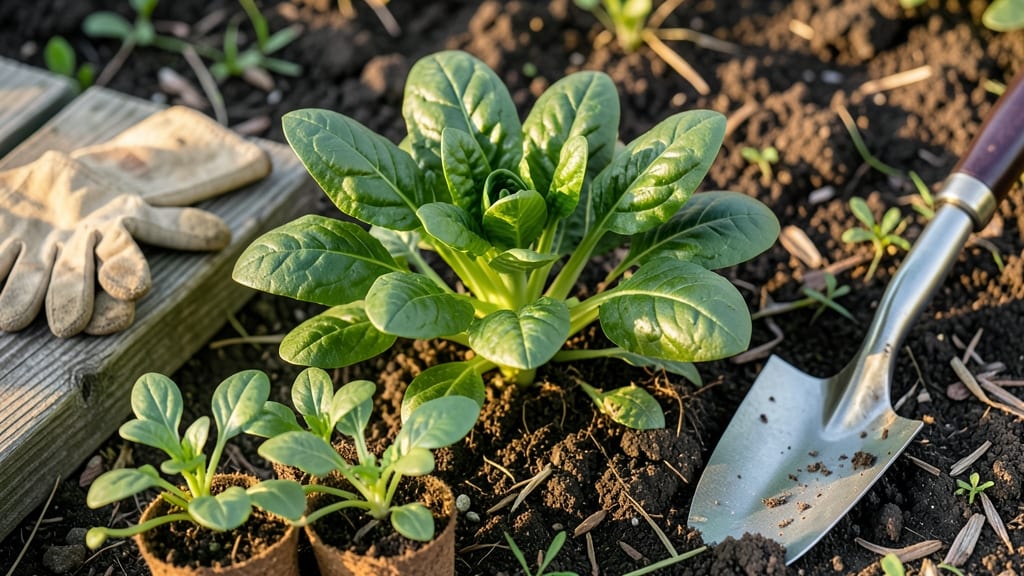
To plant spinach in Oregon, aim for early spring (March–April) or late summer (August–September) when temperatures stay cool and frost risks fade.
Oregon’s mild maritime climate creates the perfect conditions for growing spinach—but timing your planting wrong can lead to bitter leaves or stunted growth. Learn the exact windows for planting spinach in Oregon’s distinct microclimates to maximize your harvest potential.
Coastal areas like the Willamette Valley can start as early as February, while inland regions like the High Desert should wait until April to avoid late frosts.
The key is planting 4–6 weeks before the last frost date—typically around March 15—for a spring harvest, or 6–8 weeks before the first frost for a fall crop.
Below, I’ll break down the best planting strategies for your specific Oregon zone, including soil prep, spacing, and how to extend your harvest through succession planting.
Optimal spinach planting windows in Oregon by microclimate
Oregon’s diverse microclimates—from the cool coastal fog to the sun-drenched High Desert—create unique growing conditions for spinach. Each region has specific planting windows tied to frost-free dates and soil temperature thresholds. Understanding these will help you avoid bitter leaves or bolting plants and maximize your harvest.
Spinach thrives in cool weather and moderate sunlight, making it ideal for Oregon’s spring and fall seasons. However, planting too early in winter or too late in summer can stress the plants.
Let’s break down the best times to plant spinach in Oregon’s three key regions: Coastal, Willamette Valley, and High Desert.
For accurate frost dates, always check the USDA Plant Hardiness Zone Map (Oregon falls in Zones 8a-9a) and local agricultural extension resources. Coastal areas like Astoria or Cannon Beach have later frost dates, while inland Bend or Pendleton experience earlier frosts.
Soil temperature is equally critical—spinach seeds need soil that’s at least 40°F (4°C) for germination.
Comparison Table: Optimal Spinach Planting Windows in Oregon by Microclimate
| Microclimate | Last Frost Date | First Frost Date | Ideal Planting Window | Soil Temp for Germination | Harvest Window | Notes |
|---|---|---|---|---|---|---|
| Coastal (e.g., Astoria, Cannon Beach) | March 20–April 5 | October 20–November 5 | February 15–March 30 and August 15–September 15 | 40–45°F (4–7°C) | April–June and September–November | Cooler, foggy summers; extend harvest with row covers. |
| Willamette Valley (e.g., Portland, Eugene) | March 10–April 1 | October 10–November 1 | February 1–March 20 and August 1–September 10 | 40–45°F (4–7°C) | March–May and September–October | Mild winters; spring plantings may need shade in summer. |
| High Desert (e.g., Bend, Pendleton) | April 15–May 1 | September 20–October 10 | March 15–April 15 and July 15–August 15 | 45–50°F (7–10°C) | May–June and September–October | Hotter summers; focus on fall plantings for best results. |
The Willamette Valley, home to Oregon’s largest population, offers the most flexibility for spinach growers. You can start seeds indoors in January for an early spring harvest or direct-sow in February.
For a fall harvest, aim to plant seeds by mid-August to ensure mature leaves before the first frost. This region’s mild winters also allow for winter spinach if you use row covers to protect against light frosts.
In the High Desert, where summers can exceed 90°F (32°C), spinach struggles to thrive. Instead, focus on late summer plantings (July–August) for a fall harvest. The soil stays warmer longer in this region, so wait until soil temperatures drop below 50°F (10°C) before sowing.
Mulching with straw or compost helps regulate soil temperature and retain moisture during the hot days.
Coastal gardeners enjoy the longest growing season, thanks to moderate temperatures and high humidity. You can plant spinach as early as mid-February and even extend harvests into November with season extension tools.
However, coastal areas can be foggy and damp, increasing the risk of fungal diseases. Improve airflow by spacing plants 6–12 inches apart and avoiding overhead watering.
For all regions, choose cold-hardy varieties like ‘Bloomsdale Long Standing’ or ‘Tyee’, which tolerate Oregon’s variable weather better than heat-sensitive types. If you’re planting in late summer, opt for semi-savoy varieties like ‘Space’, which handle cooler nights better.
Always test your soil pH (ideal: 6.5–7.0) and amend with compost to ensure nutrient-rich conditions.
Pro tip: Mark your planting dates on a calendar and set reminders for harvesting and succession plantings. Spinach grows quickly—30–60 days to maturity—so plan to sow new seeds every 2–3 weeks for a continuous harvest.
In Oregon’s unpredictable climate, having a backup plan (like a greenhouse or cold frame) can save your crop if an unexpected frost rolls in.
Ready to start? Grab your seeds, check your local frost dates, and get planting! With the right timing, you’ll be enjoying fresh, homegrown spinach from spring through fall—no matter where you garden in Oregon. 🥬
How to extend your spinach harvest in Oregon’s variable climate
Oregon’s unpredictable weather can make spinach growing a challenge, but with the right strategies, you can enjoy fresh leaves nearly year-round. The key lies in succession planting, cold-hardy varieties, and season extension tools like row covers and low tunnels.
These methods help you beat Oregon’s cool, wet springs and mild winters while avoiding the heat stress of summer.
One of my favorite tricks is planting cold-tolerant varieties like 'Winter Bloomsdale' or 'Tyee' in late summer for a fall harvest. These varieties thrive when temperatures dip below 70°F, making them perfect for Oregon’s late-summer planting window (August–September).
Pair this with a lightweight row cover to protect against early frosts, and you’ll have spinach well into November.
🌱 5 Ways to Extend Your Spinach Harvest in Oregon
- Succession Planting: Sow seeds every 2–3 weeks from March to September for continuous harvests. Use shade cloth in summer to prevent bolting.
- Cold-Hardy Varieties: Choose 'Bloomsdale Long Standing' or 'Giant Winter'—they survive light frosts (25°F) and grow slowly in cool weather.
- Row Covers: Extend fall harvests by 4–6 weeks with floating row covers. Secure edges to prevent wind damage during Oregon’s fall storms.
- Low Tunnels: Use hoop houses with plastic to create a microclimate. Ideal for winter plantings (October–November) in sheltered areas like the Willamette Valley.
- Greenhouse Planting: Start seeds indoors in January–February for early spring transplants. Use grow lights if natural light is limited during Oregon’s short winter days.
For a true year-round harvest, combine these techniques with soil preparation. Amend your beds with compost and aged manure before planting to ensure nutrient-rich soil. Spinach thrives in cool, moist conditions, so mulch with straw to retain moisture and regulate soil temperature.
This is especially important in Oregon’s dry summers, where irrigation alone won’t keep roots consistently damp.
Don’t overlook pest management during extended harvests. Slugs and aphids love tender spinach leaves, particularly in Oregon’s humid coastal areas. Set up beer traps for slugs and introduce ladybugs for aphid control. A quick spray of neem oil can also deter pests without harming your plants or the environment.
If you’re aiming for a winter harvest, start seeds indoors in late September and transplant outdoors in October. Use a cold frame to protect seedlings from freezing temperatures. In milder microclimates like the coastal regions, you might even harvest spinach in December or January with proper protection.
Remember, spinach is a fast-growing crop—most varieties mature in 30–50 days. By staggering plantings and using season extension tools, you can enjoy fresh spinach from early spring through late fall, even in Oregon’s variable climate.
With these strategies, your garden will be a leafy green powerhouse year-round! 🥬