
Planting
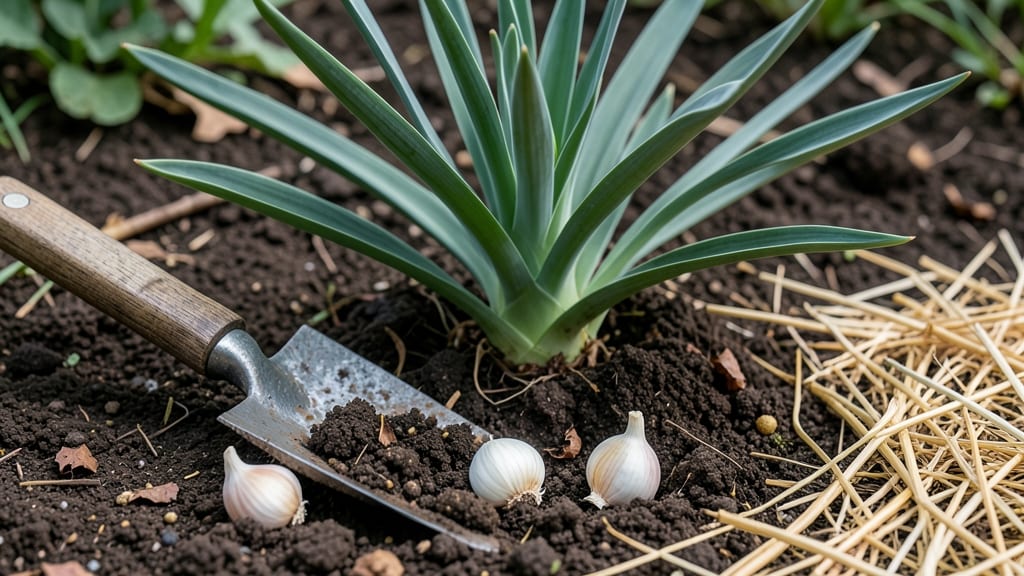
Planting garlic in Zone 8 during fall is the key to plump, flavorful bulbs by next summer — and timing matters more than you might think.
If you’ve ever struggled with patchy garlic harvests in Zone 8, timing is the secret weapon you’ve been missing. Plant too early or too late, and your bulbs could fail entirely, leaving you with nothing but disappointment.
In Zone 8, the ideal window is between October and November, when soil temperatures drop to 40-50°F. This cool period triggers the roots to establish before winter dormancy, setting the stage for strong growth in spring.
Below, I’ll break down the exact window, how to adjust for early or late frosts, and the best varieties to choose for your climate. No more guesswork — just reliable, homegrown garlic that tastes like summer in every bite.
Optimal fall planting window for garlic in Zone 8
In Zone 8, garlic thrives when planted in the fall—but timing is everything. The 6-week window between late September and mid-November gives cloves time to establish roots before winter dormancy.
Miss this window, and you risk weak growth or bulb failure. Let’s break down the perfect timing, soil conditions, and frost adjustments for your Zone 8 garden.
Your garlic needs soil temperatures between 40°F and 50°F at planting time. This range ensures roots grow without overheating or freezing. Use a soil thermometer to check—if temps drop below 40°F, wait until conditions stabilize.
In Zone 8, this usually aligns with October’s early weeks, but early frosts can push the window earlier.
Here’s your Zone 8 garlic planting timeline with critical thresholds:
If your first frost arrives early (before mid-November), prioritize hardneck varieties like 'German White', which mature faster. These can handle brief cold snaps better than softnecks. Always plant 4-6 weeks before frost—this gives roots time to anchor before winter slows growth.
For late frosts, delay planting until soil cools to 50°F or below. Use a row cover if temps dip unexpectedly—garlic cloves can survive 20°F once rooted, but young plants are vulnerable. Monitor your local frost date (typically December 15 in Zone 8) and adjust accordingly.
Pro tip: Test your soil’s drainage before planting. Garlic hates soggy soil—amend heavy clay with compost or sand to prevent rot. Aim for well-draining, slightly acidic soil (pH 6.0-7.0). A quick soil test kit ($10 at garden centers) saves guesswork.
Once planted, mulch with 2-3 inches of straw to insulate roots. This protects against temperature swings and keeps soil moist. Remove mulch in early spring to prevent fungal growth. Your garlic will reward you with plump bulbs ready for June-July harvest.
Remember: Spring planting in Zone 8 is possible but risky—bulbs won’t mature fully before summer heat. Stick to fall for the best results. With this 6-week window mastered, you’re on track for a bountiful harvest! 🌱
How to choose the right garlic variety for Zone 8’s climate
Zone 8’s mild winters and warm summers make it perfect for growing garlic, but not all varieties thrive equally. The biggest choice you’ll face is between hardneck and softneck types, each with different cold tolerance and bulb size potential.
For Zone 8, I recommend focusing on hardy varieties like 'German White' or 'Silverskin'—they handle our 40-50°F soil temperatures better than delicate types.
Hardneck varieties produce larger bulbs and flavorful scape shoots, but they need cold vernalization (6-8 weeks below 50°F) to form bulbs. Softnecks, like 'Artichoke', store longer but grow slower in warm Zone 8 climates.
Plant hardnecks in October-November for best results, while softnecks can stretch into December if soil stays cool.
| Variety | Cold Hardiness | Best Planting Time | Bulb Size | Storage Life |
|---|---|---|---|---|
| German White (Hardneck) | Excellent (Zone 3-8) | Late Oct - Nov | Large (3-4 cloves/bulb) | 6-8 months |
| Silverskin (Softneck) | Good (Zone 5-9) | Nov - Early Dec | Medium (6-12 cloves/bulb) | 12+ months |
| Artichoke (Softneck) | Moderate (Zone 6-10) | Dec (if mild) | Small-Medium | 18+ months |
| Rocky Mountain (Hardneck) | Excellent (Zone 4-9) | Late Oct - Nov | Large (4-6 cloves/bulb) | 8-10 months |
For maximum bulb size in Zone 8, prioritize hardneck varieties like 'German White' or 'Rocky Mountain'. These need 6-8 weeks of cold before spring growth, so plant them by November 15th at the latest.
Softnecks like 'Silverskin' can handle later planting but won’t reach their full potential in our warm winters.
If you’re unsure about your last frost date, err on the side of earlier planting. Zone 8’s unpredictable weather can bring unexpected cold snaps in December, and garlic cloves planted too late may not establish strong roots before winter.
Use a soil thermometer to confirm temperatures are below 50°F—this is your green light to plant.
Pro tip: Save seeds from your best bulbs! Organic garlic from local nurseries often performs better than big-box store varieties. Look for plump, firm cloves with dry papery skins—these are your best bet for Zone 8 success. Avoid soft, shriveled cloves, as they won’t regrow well.
Remember, garlic planted in fall will produce larger bulbs than spring-planted varieties. If you miss the fall window, you can try spring planting, but yields will be 30-50% smaller. For Zone 8 gardeners, fall planting is non-negotiable for the best harvest.