
Size
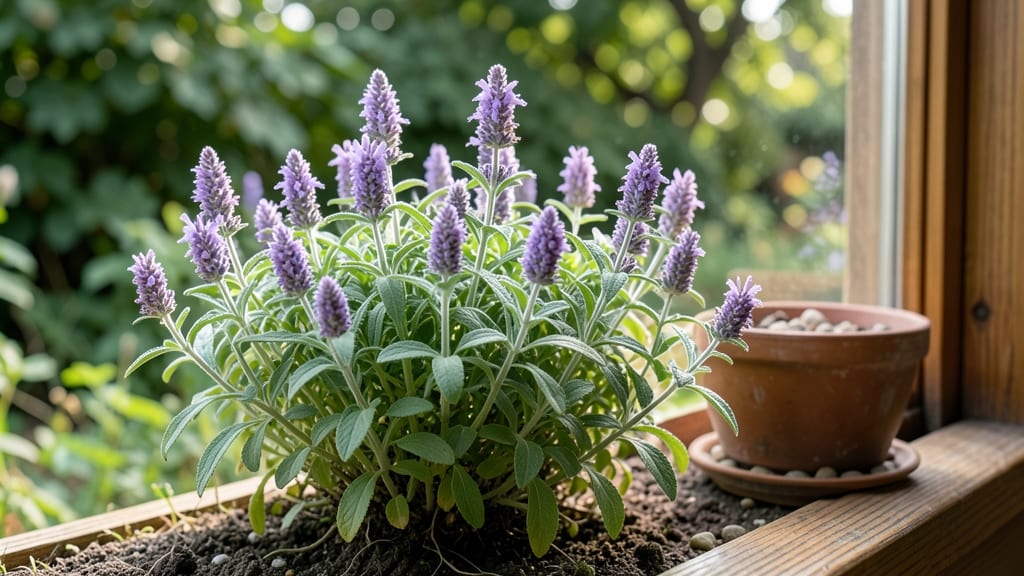
Catmint grows between 1 and 5 feet tall, depending on the variety and growing conditions—so you can easily tailor it to your garden’s design.
If you’re wondering how tall catmint grows—and whether it’ll soon take over your garden—you’re not alone. This hardy perennial can reach surprising heights if left unchecked, but with the right pruning techniques, you can keep it lush, manageable, and thriving in any outdoor space.
Some varieties, like ‘Walker’s Low’, stay compact at just 12–18 inches, making them perfect for borders or containers, while others, such as ‘Six Hills Giant’, can soar to 4 feet or more in ideal conditions.
Sunlight, soil quality, and pruning habits all play a role in how tall your 🌸 catmint will grow.
In this guide, I’ll break down the natural height ranges, share pruning secrets to control its size, and help you pick the best variety for your space—so you can enjoy its fragrant blooms without the overgrowth.


Catmint height guide: natural growth range and factors affecting size
If you’ve ever planted catmint (Nepeta spp.) and wondered why some plants in your garden tower over others, you’re not alone. This hardy perennial’s height can vary dramatically—from 12 inches to a towering 48 inches—depending on growing conditions.
Understanding these natural growth ranges helps you plan your garden layout and manage expectations for spacing and pruning.
The average catmint height falls between 18–36 inches, but this can shift based on your climate, soil quality, and the specific variety you’ve chosen. For example, Walker’s Low stays compact at 12–18 inches, while Six Hills Giant can stretch to 48 inches without intervention.
Even plants from the same batch may differ if they experience varying sunlight or nutrients.
| Factor | Effect on Height | Optimal Range |
|---|---|---|
| Sunlight | Full sun (6+ hours) = taller growth; partial shade = shorter, bushier plants | 6–8 hours/day |
| Soil Type | Well-draining, fertile soil = maximum height; poor soil = stunted growth | pH 6.0–7.0 |
| Variety | Dwarf types stay <18"; standard types reach 36–48" | 12"–48" |
| Watering | Overwatering = leggy growth; drought = compact form | Deep soak weekly |
| Pruning | Regular pruning = controlled height; no pruning = wild growth | 2–3 times/year |
One of the biggest factors affecting catmint height is sunlight exposure. When planted in full sun (6+ hours daily), catmint naturally grows taller to reach light, sometimes exceeding 4 feet.
In contrast, partial shade (3–6 hours of sun) encourages a shorter, bushier habit, ideal for container gardens or borders where height control is key.
For example, my Walker’s Low in a shady corner stays under 15 inches, while the same variety in a sunny bed reaches 24 inches.
Soil quality plays a surprising role too. Well-draining, nutrient-rich soil fuels rapid growth, while clay-heavy or waterlogged soil can stunt catmint to half its potential height.
Before planting, I always amend my soil with compost or perlite to ensure proper drainage—this simple step can add 6–12 inches to your catmint’s mature height. Test your soil’s pH (aim for 6.0–7.0) to avoid nutrient deficiencies that limit growth.
Choosing the right catmint variety is the easiest way to control height from the start. Dwarf varieties like ‘Little Titch’ max out at 12 inches, perfect for edging or rock gardens, while standard types like ‘Six Hills Giant’ thrive as backdrop plants at 48 inches.
Even within the same variety, first-year plants often stay 50% shorter than mature specimens, so don’t be alarmed if your seedlings seem undersized.
Pruning habits also explain why catmint plants in the same garden may vary in height. I prune my taller varieties back by one-third in early spring to encourage bushiness, while leaving dwarf types completely unpruned.
Deadheading spent blooms in summer prevents seed production, which can redirect energy toward leafy growth instead of vertical stretching. Without pruning, some catmint varieties can grow 20% taller by late summer.
Climate plays a hidden role too. In cooler climates (USDA Zones 3–5), catmint often grows shorter due to shorter growing seasons, while warmer zones (6–9) produce taller, more vigorous plants.
Last summer, my Six Hills Giant in Zone 7 reached 42 inches, but a neighbor in Zone 5 reported hers stayed at 30 inches despite identical care. Microclimates within your garden—like a south-facing wall versus a north-facing bed
If you’re struggling with uneven catmint heights, start by grouping plants with similar sunlight needs together. For example, place taller varieties at the back of borders and dwarf types in front. I also recommend container gardening for height control: smaller pots restrict root growth, naturally limiting height. Just ensure your container has drainage holes—root-bound catmint can become leggy and top-heavy. Remember, catmint’s natural growth range is flexible. With the right conditions, even a 12-inch dwarf can reach 18 inches, and a 48-inch giant might top out at 36 inches in less-than-ideal soil. The key is observing your plants and adjusting care based on their response. Happy gardening!
Pruning catmint for height control: step-by-step techniques to keep it compact
Catmint (Nepeta spp.) can grow anywhere from 12 inches to 4 feet tall, depending on the variety and growing conditions. Without proper pruning, those tall varieties can quickly become unruly, overshadowing smaller plants in your garden beds.
The good news? With the right timing and technique, you can control its height while encouraging bushier, fuller growth. I’ve pruned catmint for years, and these methods work beautifully for both container gardens and landscape plantings.
Pruning catmint isn’t just about cutting back—it’s about stimulating new growth while maintaining its signature fragrant foliage and long-lasting blooms. The key is to prune at the right times: early spring, mid-summer, and late fall.
Each pruning session serves a different purpose, whether it’s shaping the plant, encouraging flowering, or preparing it for dormancy. Let’s dive into the step-by-step process to keep your catmint at your desired height—whether that’s a compact 18-inch hedge or a managed 3-foot border plant.
Step-by-Step Pruning Guide for Catmint Height Control
- Early Spring (March-April): Cut back one-third of the plant’s height using clean, sharp pruners. Remove any dead or damaged stems first, then trim the remaining stems to just above a set of healthy leaves. This encourages new growth and prevents the plant from becoming leggy.
- Mid-Summer (June-July): After the first flush of flowers fades, prune back spent blooms and trim stems by half their length. This stimulates a second round of blooms and keeps the plant from becoming too tall. Use hand pruners for precision cuts.
- Late Summer (August-September): Lightly trim any overgrown stems to maintain shape. Avoid heavy pruning now, as the plant needs time to harden off before winter. Focus on removing straggly growth to keep the plant tidy.
- Fall (October-November): Cut back the plant by half its height to prepare for dormancy. This helps prevent winter damage and encourages a stronger regrowth in spring. Remove any yellowed or diseased foliage first.
💡 Pro Tip: Always use sterilized pruners to prevent spreading disease. Wipe blades with rubbing alcohol between cuts.
When pruning, always aim to cut just above a leaf node or set of leaves. This ensures the plant has a growth point to regenerate from, promoting bushier growth. For dwarf varieties like Nepeta ‘Walker’s Low’, you can prune more lightly, focusing on shaping rather than drastic height reduction.
Meanwhile, taller varieties like Nepeta ‘Six Hills Giant’ may need more aggressive pruning to stay within bounds.
Timing is everything with catmint. Pruning too late in the season can stunt new growth before winter, while pruning too early in spring might remove emerging flower buds. I’ve learned this the hard way—once, I pruned my catmint in late May, and it barely bloomed that summer!
Now, I mark my calendar for early March and mid-July as my key pruning dates. Pair these sessions with regular deadheading throughout the growing season to keep your plant compact and blooming.
Don’t forget to sterilize your tools before and after pruning. Catmint is generally disease-resistant, but fungal issues can still occur if your pruners carry pathogens from other plants. A quick wipe with rubbing alcohol or a bleach solution keeps everything clean.
After pruning, water deeply to help the plant recover and reduce stress. This is especially important after heavy pruning sessions like the early spring or fall cuts.
With consistent pruning, your catmint will stay lush, manageable, and full of life. Whether you’re growing it as a border plant, in containers**, or as part of a pollinator garden, these techniques will keep it thriving at your desired height.
Plus, you’ll enjoy longer bloom times and a plant that fits perfectly in your garden design—no more towering over your neighbors’ flower beds! 🌿