
How To
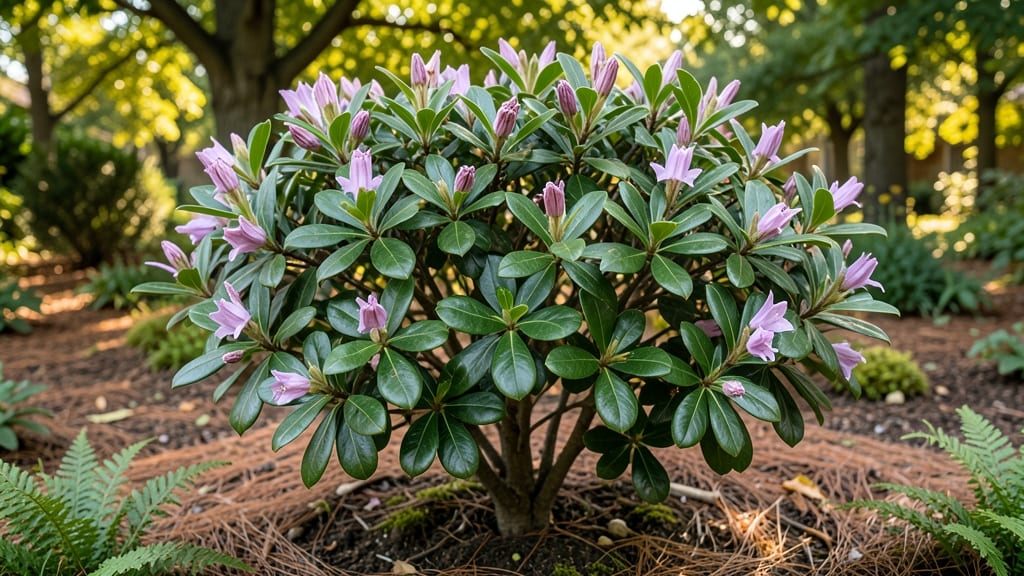
Skip Laurel grows to a mature height of 6–10 feet tall, making it a versatile choice for hedges, borders, or even as a standalone ornamental shrub 🌿.
If you’re dreaming of a lush, low-maintenance hedge but worried about runaway growth, this evergreen can be pruned to stay compact—often as low as 4–5 feet with regular trimming.
The key to controlling its height lies in sunlight, soil quality, and pruning timing. In partial shade (its ideal setting), Skip Laurel grows more slowly, while full sun can spur faster, taller growth.
Below, I’ll cover exactly how to prune for your desired height, when to do it for best results, and the 3 biggest mistakes that make it grow too tall.


Natural height range of Skip Laurel: what to expect without pruning
If you’re planting a Skip Laurel (Prunus laurocerasus 'Schipkaensis') and wondering how tall it will grow without pruning, the answer is 10–15 feet tall and 6–10 feet wide at maturity.
Unlike some shrubs that stay compact, this evergreen has a natural tendency to reach impressive heights if left unchecked. Understanding its growth patterns helps you plan spacing and design your landscape effectively.
The growth rate of Skip Laurel varies based on climate, soil quality, and sunlight exposure. In ideal conditions—like rich, well-draining soil and partial shade—it can grow 2–3 feet per year in its early years.
However, growth slows as it matures, typically reaching its full height in 5–7 years under optimal conditions.
Here’s a quick breakdown of what to expect without pruning:
| Growth Stage | Height Range | Width Range | Time to Reach |
|---|---|---|---|
| Year 1 | 2–3 feet | 1–2 feet | First growing season |
| Year 3 | 6–8 feet | 3–5 feet | 3 years |
| Mature (Unpruned) | 10–15 feet | 6–10 feet | 5–7 years |
| Coastal Climates | 12–14 feet | 8–10 feet | Slightly faster growth |
| Inland/Dry Climates | 8–12 feet | 5–8 feet | Slower growth |
In coastal regions with higher humidity and mild winters, Skip Laurel tends to grow taller and wider due to ideal moisture levels. For example, in USDA Zones 7–9, it often reaches 12–14 feet tall without pruning.
In contrast, inland or drier climates (like Zone 6) may see slightly slower growth, with mature heights around 8–12 feet.
Soil quality plays a critical role in height. Skip Laurel thrives in moist, well-draining soil with a slightly acidic pH (5.0–6.0). Poor soil or drought conditions can stunt growth, while nutrient-rich soil encourages faster height increases.
If your soil is clay-heavy or sandy, amending it with compost or organic matter can help maximize growth potential.
Sunlight exposure also affects height. While Skip Laurel tolerates partial shade, it grows most vigorously in morning sun with afternoon shade. Too much direct sun can stress the plant, leading to sparse foliage and slower height growth.
In shady conditions, growth may be slower but denser, with a more compact shape.
If you’re planting Skip Laurel near a fence, wall, or property line, account for its mature width of 6–10 feet. Without pruning, it can spread quickly, so give it plenty of space to avoid crowding other plants.
For a hedge or privacy screen, spacing plants 3–4 feet apart ensures they fill in nicely over time.
One common misconception is that Skip Laurel grows extremely tall like a tree. While it can reach 15 feet without pruning, its multi-stemmed, shrub-like habit keeps it more manageable than a single-trunk tree.
With proper spacing and occasional pruning, you can maintain a neat, controlled height while still enjoying its lush, glossy foliage.
For gardeners in smaller spaces, consider pruning annually to keep it under 6–8 feet tall. Even without heavy pruning, regular trimming in late winter or early spring encourages bushier growth and prevents it from becoming too leggy.
The key is balancing its natural growth tendencies with your landscape goals.
🌿
Pruning techniques to control Skip Laurel height: step-by-step guide
Controlling the height of your Skip Laurel starts with understanding its natural growth habits. Left unpruned, this shrub can grow 6 to 10 feet tall—but with strategic pruning, you can keep it at your desired height, even as low as 3 to 4 feet.
The key is timing, technique, and consistency. Pruning at the right time ensures your plant stays healthy while maintaining that manicured, hedge-like appearance you love.
Late winter or early spring is the best time to prune Skip Laurel. This timing aligns with its dormant season and allows it to focus energy on new growth rather than recovery. Avoid pruning in fall or summer, as this can stress the plant or encourage unwanted leggy growth.
Now, let’s dive into the steps to keep your Skip Laurel at your ideal height without sacrificing its health.
Step-by-Step Pruning Guide for Skip Laurel
- Step 1
- Step 2
- Step 3
- Step 4
When pruning, always aim for a balanced shape. Avoid cutting into the center of the plant, as this can create a bare spot that sunlight won’t reach. Instead, focus on outer branches to encourage a fuller, denser shrub.
If your Skip Laurel has overgrown or leggy branches, prioritize removing these first to restore its natural form.
Frequency matters too. For light maintenance, prune twice a year: once in late winter and again in early summer after the first flush of new growth.
If your plant is overgrown, you may need to prune more aggressively in early spring and then again in summer to shape it properly. Always step back and visualize the final shape before making cuts.
Finally, avoid common pruning mistakes like cutting too late in the season or using dull tools, which can damage the plant. After pruning, mulch around the base to retain moisture and fertilize lightly to support new growth.
With patience and consistency, your Skip Laurel will stay compact, healthy, and beautifully manicured for years to come.
🌿