
Planting
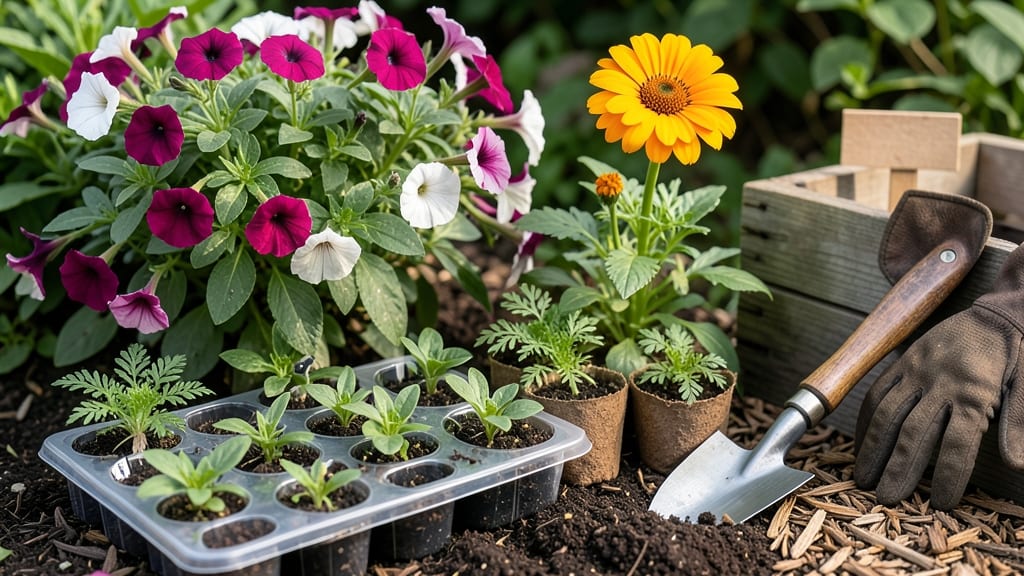
You can plant flowers in Ohio once the last frost date has passed and soil temperatures hit 60°F, typically around mid-April for most regions—but timing varies by county and flower type.
Ohio’s unpredictable spring weather can make timing your flower planting a guessing game—but getting it right means vibrant blooms all season long. Whether you’re sowing seeds or transplanting seedlings, knowing the exact window for your zone (6a-6b) is the key to avoiding frost damage and maximizing your garden’s potential.
From cold-hardy perennials like coneflowers to tender annuals like marigolds, each flower has its own ideal planting time. Below, we’ll break down the best dates by county, soil prep tips, and how to adjust for Ohio’s unpredictable frost patterns—so you can start planting with confidence.
Discover how to use NOAA frost maps, choose the right flowers for your zone, and extend your growing season with simple tricks. By the end, you’ll know exactly when to plant for continuous blooms from spring through fall.
Ohio’s frost-free dates by county: when to plant flowers safely
Timing your flower planting in Ohio can feel like a high-stakes game of chance—one wrong move and frost can ruin your hard work. But with county-specific frost-free dates, you can finally plant with confidence.
These dates mark the last average frost of spring, signaling it’s safe to sow annuals, perennials, and tender flowers outdoors. For Ohio, these dates typically fall between mid-April and early May, but they vary dramatically by county.
To plan effectively, I always check the NOAA frost maps and cross-reference with Ohio’s USDA hardiness zones (5-7). Southern counties like Lawrence and Scioto often see their last frost by April 15th, while northern areas like Ashtabula or Erie may wait until May 10th.
Understanding these variations helps me avoid late-season frost damage and maximize bloom time.
Here’s a breakdown of Ohio’s frost-free dates by region, along with tips for fall planting—because timing matters there too. Use this as your guide to plant flowers safely and enjoy a garden bursting with color.
🌱
Southern Ohio counties like Lawrence and Scioto have the earliest frost-free dates, often by April 10th, giving gardeners a head start on planting tender annuals like petunias and marigolds.
Meanwhile, northern counties like Ashtabula and Erie play it safe by waiting until mid-May, avoiding the risk of late spring frosts that can devastate young seedlings.
For fall planting, the opposite rule applies: plant 6-8 weeks before your first frost, which typically arrives in mid-October. Southern counties can extend their growing season into October, while northern areas should wrap up by early September to protect cool-season flowers like pansies and snapdragons.
I always recommend using row covers or cold frames for early spring plantings in zones 5-6 to create a microclimate that warms the soil faster. This trick has helped me extend my spring planting window by 2-3 weeks, giving my geraniums and impatiens a stronger start.
Pro tip: Check the NOAA Climate Data website for your specific county’s historical frost records. Some years, like 2018 and 2020, Ohio experienced unusually late frosts in May, so having a backup plan—like keeping seedlings indoors until May 15th
For perennials and bulbs, timing is equally critical. Plant spring-blooming bulbs like tulips in fall (October-November), while summer-blooming perennials like coneflowers can wait until after your last frost. Always test your soil temperature—it should be at least 60°F (15°C) for most flowers to thrive. 🌿
Best flowers to plant by Ohio’s planting zones and seasons
Ohio’s USDA zones 5-7 offer a surprisingly long growing season for flowers, but timing matters. Spring-planted annuals need to wait until after the last frost date (typically mid-April), while perennials and bulbs can often go in earlier.
Fall planting, however, is ideal for bulbs like tulips and daffodils, which thrive when planted 6-8 weeks before frost.
For continuous blooms, combine early spring cold-hardy annuals with late summer heat-tolerant varieties. Succession planting every 2-3 weeks keeps your garden vibrant from May through October. Ohio’s climate also rewards native flowers, which require less maintenance and support local pollinators like bee balm and coneflowers.
- 1 Spring Planting (April-May): Cold-hardy annuals like pansies, sweet peas, and snapdragons can handle light frosts and thrive in Ohio’s cool spring soil. Perennials like black-eyed Susans and daylilies should be planted after the last frost for best results.
- 2 Summer Planting (June-July): Heat-loving annuals like zinnias, marigolds, and sunflowers should be sown after soil temperatures exceed 60°F. Succession plant every 2 weeks for nonstop blooms through September.
- 3 Fall Planting (September-October): Bulbs like tulips, daffodils, and crocuses should be planted 6-8 weeks before frost (typically by mid-October). Hardy perennials like aster and goldenrod can also be planted in early fall for spring blooms.
- 4 Winter Interest: Evergreen shrubs like boxwoods and ornamental grasses add structure, while winter-flowering pansies and heaths provide color under snow. Plant these in late summer or early fall for best winter performance.
Ohio’s northern counties (Zone 5) have shorter growing seasons, so focus on early-blooming perennials like columbine and bleeding heart. Southern Ohio (Zone 6-7) can handle tropical-looking annuals like celosia and canna lilies, which thrive in summer’s heat.
Always check local frost dates—they can vary by 2-3 weeks across the state!
For container gardening, choose compact varieties like petunias, geraniums, and dwarf marigolds. These can be planted 2-3 weeks later than in-ground flowers since containers warm up faster. Mulch heavily in fall to protect roots from freeze-thaw cycles, which are common in Ohio’s unpredictable winters.
Pro tip: Use row covers to extend the season for tender annuals like impatiens and begonias. Plant them in early May, cover them at night until mid-June, then remove for full summer blooms.
This trick works especially well in urban gardens where microclimates can be 5-10°F warmer than rural areas.
Start with native Ohio flowers like butterfly weed, purple coneflower, and wild bergamot—they’re low-maintenance, drought-tolerant, and pollinator magnets. Pair them with classic annuals for a balanced, resilient garden that thrives through Ohio’s humid summers and frosty springs. 🌸