
Plants
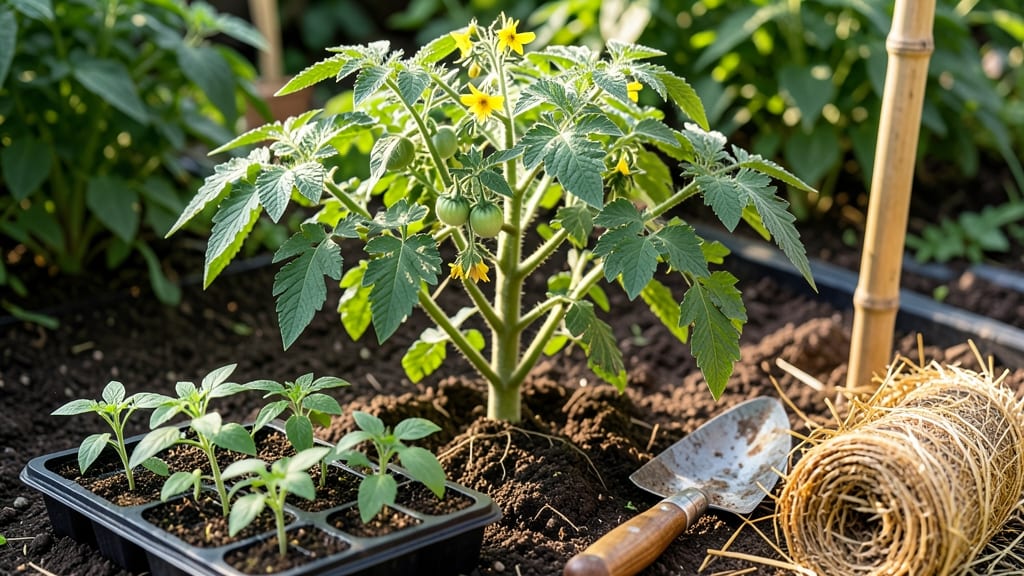
The best time to plant tomatoes in Ohio is after the last frost date, typically between April 15 and May 15 when soil temperatures hit 60°F.
Ohio gardeners know timing is everything—plant tomatoes too early, and frost will wipe them out; too late, and your harvest shrinks. But mastering Ohio’s frost-free window can mean the difference between a meager yield and a bounty of juicy, vine-ripened 🍅.
In USDA Zone 6a, where most of Ohio falls, the average last frost date lands around mid-April, but microclimates—like valleys or urban heat islands—can shift that window by weeks.
Below, I’ll break down the exact frost-free deadlines for your region, how to prep soil for maximum yield, and the 3 smartest ways to extend your growing season if spring lingers.
Ohio’s frost-free deadlines: when to plant tomatoes for peak yield
Ohio’s last frost dates vary dramatically from north to south, creating a 3-week window for planting tomatoes. In northern Ohio (USDA zones 5b-6a), the average last frost falls around May 15, while southern Ohio (zones 6a-7a) typically sees frost-free conditions by April 20.
These dates determine whether you’ll grow heirloom varieties or fast-maturing hybrids like 'Early Girl' or 'Stupice'.
Tomatoes thrive when soil temperatures hit 60°F (15°C)—cold soil stunts root growth and delays fruiting. Use a soil thermometer to confirm readiness; Ohio’s black soil warms faster than sandy loam.
If your garden bed stays below 55°F (13°C) past May 1, opt for container growing or raised beds to accelerate warming.
Here’s how Ohio’s regions break down for tomato planting deadlines, including soil readiness and frost risk:
To pinpoint your local frost-free date, check the Ohio State University Extension’s frost maps or use the USDA Plant Hardiness Zone Map. For example, Toledo (Zone 6a) has a 10% chance of frost after May 20, while Athens (Zone 6b) typically warms up by May 1.
If you’re unsure, err on the side of late planting—tomatoes handle heat better than cold.
For northern Ohio gardeners, start seedlings indoors by March 1 to transplant after the last frost. Use row covers to protect young plants if nighttime temps dip below 50°F (10°C).
In southern Ohio, you can direct-sow seeds as early as April 1 if soil is workable, but cover seeds with black plastic mulch to warm the soil faster.
Tomatoes need 70–90 days to mature, so calculate backward from your first frost date (typically October 15 in Ohio). Plant early varieties like 'Patio' or 'Tiny Tim' by May 15 for a July harvest, or choose late-season varieties like 'Brandywine' for a September–October bounty.
My go-to hybrid, 'Better Boy', thrives when planted by May 10 in central Ohio and produces until frost.
Pro tip: Use a frost calendar from your local Cooperative Extension office—they track 30-year averages and account for Ohio’s microclimates. For instance, urban areas like Columbus often warm up 3–5 days earlier than rural farms due to the urban heat island effect.
Adjust your planting date accordingly to maximize your tomato yield.
If you’re still unsure, test your soil with a frost-sensitive plant like basil. Plant a few seeds in late April—if they survive without damage, your tomatoes are safe to go in. This DIY frost test saves money and avoids the heartbreak of a frost-killed transplant.
How to extend Ohio’s tomato growing season: cold frames, row covers, and smart variety choices
Ohio’s unpredictable spring frosts can cut your tomato harvest short, but with the right strategies, you can push planting earlier or harvest later. Cold frames, row covers, and cold-hardy varieties like ‘Mountain Merit’ are game-changers for Ohio gardeners.
These tools don’t just extend your season—they help you beat frost risks and maximize your yield.
In my garden, I’ve used floating row covers to plant tomatoes 2-3 weeks earlier than the last frost date. A simple cold frame can add 4-6 weeks to your harvest window.
The key is combining these methods with early-maturing varieties that thrive in cooler temperatures. Let’s break down how to make the most of Ohio’s growing season.
5 Ways to Extend Your Ohio Tomato Season
- 1. Choose cold-hardy varieties like ‘Mountain Merit’ (70 days) or ‘Stupice’ (60 days). These tolerate 40°F nights and produce early.
- 2. Use floating row covers to plant 2-3 weeks before the last frost date. They trap heat and protect seedlings from light frosts (28°F).
- 3. Build a simple cold frame (wooden box with clear lid) to extend harvest by 4-6 weeks. Place it over plants after the first frost.
- 4. Mulch heavily with straw or black plastic to keep soil warm. This helps roots stay active in cooler weather.
- 5. Plant succession crops every 2 weeks from May to July. Use fast-maturing varieties (50-60 days) for continuous harvests.
For row covers, I recommend floating fabric covers (like Agribon) because they’re lightweight and allow rain to pass through. Secure them with bricks or stakes to prevent wind damage.
In my Zone 6a garden, I’ve planted ‘Early Girl’ tomatoes under covers in early April and still gotten a harvest by June.
Cold frames are another game-changer. A basic model uses wooden frames with plexiglass lids. Ventilate them during the day to prevent overheating. I’ve kept my ‘Brandywine’ tomatoes producing until mid-October using this method. Just remember to remove covers during the day when temperatures rise above 75°F.
Don’t overlook mulching—it’s a low-cost, high-impact strategy. I use straw mulch around my tomato plants to retain soil moisture and moderate temperature swings. In Ohio’s humid summers, mulch also helps prevent soil-borne diseases like blight. Apply a 3-4 inch layer once plants are established.
Finally, succession planting ensures you’re never without fresh tomatoes. Start with early varieties in April, then plant medium-maturing types in late May, and finish with late-season varieties in early July. This way, you’ll have tomatoes from June through October, even in Ohio’s short growing season.
With these strategies, you’ll turn Ohio’s challenging climate into an advantage. My earliest harvests now come from cold-frame-protected plants, and my latest tomatoes ripen under row covers well into fall. Give it a try—your taste buds (and dinner plate) will thank you! 🌱🍅