
Plants
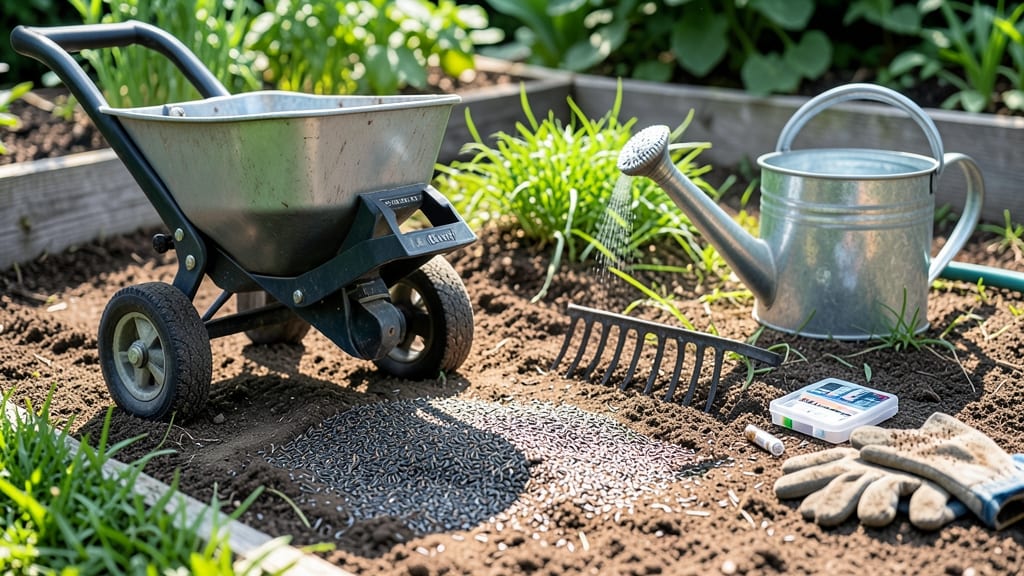
Planting grass seed in Colorado at the right time means the difference between a lush lawn and a struggle against drought or early frost.
You’ve got three main windows to aim for: early spring, late summer, or fall—each with its own risks. Get it wrong, and you’re fighting weeds or waiting for roots to catch up before winter hits. The key is knowing your elevation zone and soil temps.
Here’s what you need to know: the best months by elevation (Front Range vs. High Plains), how to prep soil for Colorado’s dry climate, and the one mistake that kills germination before it starts.
We’ll cover the exact planting schedule for USDA Zones 5–7, watering tricks to beat drought, and the grass types that thrive in each zone—so you can finally stop guessing and start growing.
Best months to plant grass seed in Colorado by elevation Zone
Colorado’s diverse elevation zones create unique microclimates that dramatically impact when you should plant grass seed. Front Range areas (5,000–7,000 ft) experience milder winters, while Mountain Foothills (7,000–9,000 ft) face earlier frosts, and High Plains (3,500–5,000 ft) deal with drier conditions.
Urban areas like Denver often have warmer microclimates than rural high-country pastures, so adjust your timing accordingly.
Timing matters because grass seed needs consistent soil temperatures between 50–65°F to germinate properly.
Plant too early, and frost will kill sprouts; too late, and summer drought or heat stress weakens young roots. Cool-season grasses like Kentucky Bluegrass and Fescue dominate Colorado lawns, so their ideal windows align with spring and fall.
🌱
For the Front Range, including Denver and Boulder, aim for March–April or September–October. Urban areas with heat islands (like downtown Denver) can push planting to February or May, but rural spots may need to wait until late April to avoid frost.
Always check soil temperatures—a simple soil thermometer ($10 at garden centers) prevents costly mistakes.
In the Mountain Foothills, like Estes Park or Evergreen, cooler soils delay germination. Plant April–May for spring or August–September for fall. South-facing slopes warm faster, so plant 2 weeks earlier there, while north-facing areas may need a 1-week delay.
Use seed blankets or straw mulch to protect seedlings from late frosts.
On the High Plains, such as Fort Collins or Greeley, water scarcity is a bigger concern than frost. April is ideal for spring planting, but September–October offers cooler temps and better moisture retention.
If you’re in a dryland area, avoid spring planting entirely—opt for fall to let roots establish before summer drought.
Microclimates play a huge role in rural vs. urban areas. Urban heat islands (like Denver’s downtown) can be 5–10°F warmer than surrounding areas, extending your planting window. Meanwhile, rural high-country pastures face earlier frosts, so err on the side of later planting.
Always scout your yard for shady spots or windy areas—these need extra care during germination.
Pro tip: Test your soil 2 weeks before planting. Colorado’s alkaline soils often need sulfur or peat moss to adjust pH to 6.0–7.0. A simple home test kit ($15) saves money on over-fertilizing.
After planting, keep soil consistently moist (not soggy) for 4–6 weeks—this is critical for root establishment.
Finally, choose drought-tolerant varieties like Tall Fescue for high plains or Kentucky Bluegrass for Front Range lawns. Mixing 10–15% fine fescue improves shade tolerance. Water deeply 2–3 times per week after planting, then taper to 1 inch per week once established.
With the right timing
How Colorado’s weather patterns affect grass seed germination success
Colorado’s variable climate—from mountain frosts to High Plains droughts—can make or break your grass seed success. Germination thrives when soil stays consistently warm (50–65°F) and moisture levels remain steady. But without the right timing, seeds can rot in cold soil or dry out before sprouting.
Understanding these patterns helps you avoid common pitfalls like late spring frosts or summer heat stress.
One of the biggest challenges is soil temperature fluctuations. At elevations above 7,000 feet, soil may stay too cold for germination until late May or June, while lower elevations like the High Plains can start as early as March.
Rainfall also plays a critical role—too little, and seeds dry out; too much, and they suffocate. Using a soil thermometer and seed blankets can give your grass a fighting chance in Colorado’s unpredictable conditions.
🌱 5 Key Weather Factors for Grass Seed Success in Colorado
- Soil Temperature: Wait until soil reaches 50–65°F (use a thermometer!). Below 45°F, seeds won’t sprout.
- Frost Dates: Plant 2–3 weeks after the last frost (Front Range: mid-April; Mountains: late May).
- Rainfall Timing: Aim for 1 inch of water weekly—either from rain or irrigation. Drought locks out germination.
- Wind Exposure: High winds dry soil fast. Use seed blankets or straw mulch to retain moisture in open areas.
- Elevation Adjustments: High Plains (3,500–5,000 ft) can plant earlier; Mountains (7,000+ ft) need a delayed start.
A soil thermometer is your best tool for precision. Stick it 2 inches deep (where seeds will be) and check daily. If temps dip below 50°F at night, delay planting—even by a week—to avoid seed rot.
I’ve seen seeds planted too early in Denver’s Zone 5 wash away in spring rains or fail to sprout when a late frost hits.
Don’t underestimate the power of seed blankets or straw mulch. These act as insulation, keeping soil warmer in spring and cooler in summer. In my Fort Collins garden (Zone 4–5), using a biodegradable blanket increased germination rates by 40% during a dry April.
Just remove it once grass reaches 3–4 inches tall to avoid smothering.
Watch for summer heat stress too. If you plant in late summer (August–September), seeds may germinate but struggle to establish roots before first frost (usually mid-October). Instead, opt for fall planting in September—cooler temps and 6–8 weeks of growth before winter give roots time to strengthen.
Finally, microclimates matter. A south-facing slope warms up faster than a north-facing yard, so adjust your timing accordingly. If you’re in Colorado Springs (Zone 6), you might plant 2 weeks earlier than someone in Grand Junction (Zone 5).
Always scout your yard for shady spots or wind tunnels—these can delay germination by 1–2 weeks.