
How To
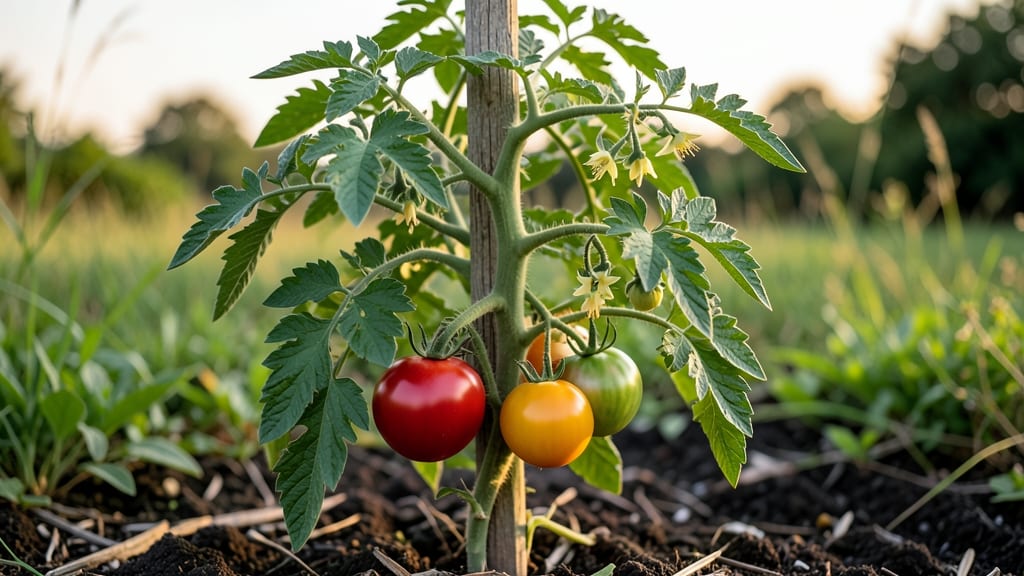
Beefsteak tomato plants grow 4 to 6 feet tall—or even taller if given the right support—making them one of the most rewarding yet space-demanding varieties for home gardeners.
If you're dreaming of juicy, vine-ripened beefsteak tomatoes but worried about space or support needs, knowing their mature height is the first step to a thriving garden.
These giants thrive in full sun and need room to stretch, but their height isn’t just about space—it’s also about pruning, trellising, and variety choice. Some, like the legendary Brandywine, climb relentlessly, while others stay slightly shorter with proper training.
In this guide, I’ll break down exactly how tall your beefsteak tomatoes will grow, the best ways to support them, and how to keep them productive without taking over your garden.


Beefsteak tomato plant heights by variety: from compact to towering giants
If you're planning your garden layout, knowing how tall beefsteak tomato plants grow is essential. These varieties range from compact bushes to towering vines, each requiring different space and support. The height difference comes down to whether they're indeterminate (continuous growers) or determinate (bush types).
Let's break down the most popular beefsteak varieties and their mature heights to help you plan your garden space.
Understanding these growth patterns helps you decide between cage support, trellising systems, or simply giving them more ground space. Indeterminate varieties can reach 10 feet or more without proper support, while determinate types stay much shorter.
This distinction directly impacts your garden's layout and maintenance needs, from pruning schedules to harvest accessibility.
⚠️ CRITICAL NOTE: Without proper support, even medium-height varieties can become unruly and prone to disease. The right support system isn't just about height—it's about fruit quality and plant health too.
The Brandywine and Amish Paste varieties are classic beefsteaks that can become absolute giants, often reaching 10 feet or taller if left unchecked. These varieties need robust support systems like tall trellises or sturdy cages to keep them contained and productive.
Without support, their sprawling vines can become tangled, making fruit access difficult and increasing disease risk.
On the shorter end, Mountain Merit is a determinate variety that stays compact at 3-4 feet, making it ideal for small gardens or container growing. These bush types produce fruit all at once, which is great for canning or preserving.
However, they require less maintenance than their taller counterparts since they don't need pruning or extensive support.
For intermediate gardeners, varieties like Big Beef and Beefmaster offer a happy medium. They grow 4-7 feet tall and benefit from moderate support, such as tomato cages or stakes. These are excellent choices if you want juicy beefsteak tomatoes without committing to a massive trellis system.
When planning your garden, consider not just the height of the plant but also the space between plants. Indeterminate varieties need 18-24 inches of space between them to allow for proper airflow, while determinate types can often be spaced 12-18 inches apart.
Proper spacing reduces competition for nutrients and helps prevent fungal diseases like blight.
If you're growing beefsteak tomatoes in containers, choose dwarf or semi-dwarf varieties like Mountain Merit or opt for determinate types in large pots. Even then, you'll need to provide some support, as containers can dry out quickly and limit root growth, potentially stunting the plant's height and yield.
One final tip: Pruning can influence height. For indeterminate varieties, regular pruning of suckers (the small shoots that form in the leaf axils) helps direct energy toward fruit production rather than excessive vine growth. However, avoid over-pruning, as this can reduce the plant's natural ability to support its own weight.
Now that you know how tall beefsteak tomato plants grow, you can confidently plan your garden layout, choose the right support systems, and enjoy a bountiful harvest of heirloom-quality tomatoes! 🌱
When and how to provide support for tall beefsteak tomato plants
Beefsteak tomato plants—especially indeterminate varieties like Brandywine or Cherokee Purple—can reach heights of 6 to 10 feet if left unsupported. Without proper support, their heavy vine-ripened fruit can snap stems or cause sprawling that wastes garden space.
The key is providing support early (within 2–3 weeks of transplanting) to encourage vertical growth and prevent disease from wet foliage touching the soil.
Your support method depends on your garden layout and personal preference. Cages (especially 5-foot tall models) are easiest for beginners, while trellises save space in small gardens, and stakes work well for single plants.
I’ve found that DIY bamboo trellises or heavy-duty wire cages last longer than flimsy plastic options, especially in windy conditions.
Step-by-Step Support Guide for Beefsteak Tomatoes
-
Step 1: Choose Your Support
Cages: 5–6 ft tall, pre-assembled (e.g., Tomato Tower brands). Best for low-maintenance gardens. Trellises: DIY with wooden posts and twine/zip ties. Ideal for small spaces or container growing. Stakes: 6–8 ft bamboo or metal stakes. Requires tying vines weekly but saves space.
-
Step 2: Install Support Early
Place supports at transplanting (2–3 weeks after seedlings). For cages, press into soil 12 inches deep. For trellises, drive stakes 18 inches deep and attach horizontal wires every 12 inches.
-
Step 3: Train Vines Weekly
Gently weave vines through cage openings or tie to trellis wires with soft plant ties (avoid wire or plastic that cuts stems). Prune suckers (side shoots) to direct energy upward.
-
Step 4: Reinforce as Plants Grow
By 6 weeks, check for loose supports. Add stakes to cages or tighten trellis wires. For wind-prone areas, use additional ties or a second stake.
-
Step 5: Harvest with Care
Support heavy beefsteak fruit (up to 1 lb each) by tying vines to lower trellis wires or using a sling under large tomatoes. Avoid pulling—twist gently at the stem.
For container growers, opt for 5-gallon fabric pots with built-in trellises or use a freestanding tomato cage that fits your pot’s diameter. I’ve had success with self-watering containers paired with coconut fiber ties, which reduce stem damage during growth spurts.
Pro tip: If your beefsteak tomatoes start leaning, don’t wait—add support immediately. A sudden 50-pound fruit can snap a 3-foot stem in seconds. Regularly check for pests (like hornworms) that weaken vines, and remove them promptly to avoid support strain.
With the right support, your towering beefsteak plants will produce bountiful, disease-free fruit while keeping your garden organized. Start small with one well-supported plant to master the technique before expanding—your future vine-ripened masterpieces will thank you! 🌱🍅