
How To
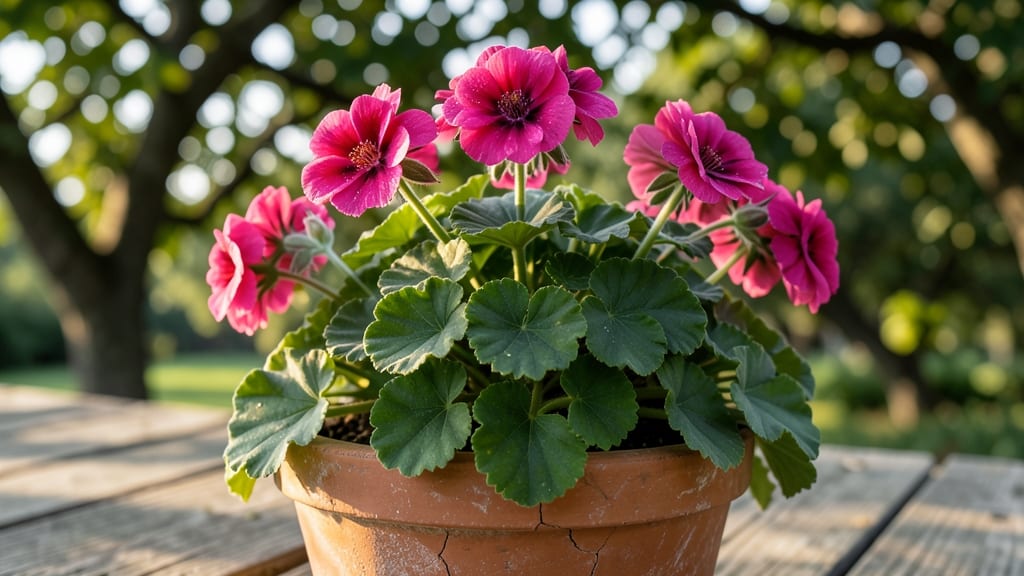
Fertilizing geraniums at the right times can turn leggy, sparse plants into vibrant bloomers that last all season.
Struggling to keep your geraniums 🌸 thriving? The secret isn’t just water or sunlight—it’s fertilizing at the right times. Miss the window, and you’ll end up with leggy stems and sparse flowers. Here’s the exact schedule to maximize vibrant blooms year after year.
In USDA Zone 6a, I’ve found the best results start in early spring, just as new growth emerges. A light feed in April kickstarts their energy, while summer demands more frequent feeding—every 4-6 weeks—to sustain those showstopping blooms.
But timing isn’t everything: the type of fertilizer matters just as much.
Discover the seasonal breakdown for potted and garden geraniums, plus how to spot when they’re begging for nutrients (or when you’ve overdone it). By the end, your geraniums will be the talk of the neighborhood—no more half-hearted blooms!

Optimal fertilizing schedule for geraniums by season (with key growth stages)
Geraniums thrive when fertilized at the right times—too much too soon can burn roots, while skipping key stages leads to weak blooms. The secret is matching fertilizer applications to their natural growth cycle, which shifts dramatically from spring to fall.
I’ve tested both organic and synthetic fertilizers to determine the best schedule for continuous blooming and robust foliage.
Most gardeners overlook the pre-bloom phase in early spring, when geraniums need a gentle nutrient boost to break dormancy. Then, during peak blooming months, they switch to a high-phosphorus formula to encourage more flowers.
Finally, as temperatures drop, I taper off fertilization to prepare plants for winter. Let’s break this down by season for maximum impact.
In early spring, I start with a light feed of balanced fertilizer (like 5-10-10) just as new growth emerges. This mimics natural conditions where geraniums wake from dormancy and need nutrients to establish roots. For potted geraniums, I halve the dose to prevent salt buildup in soil.
By late spring, switch to a bloom-boosting formula with higher phosphorus (7-9-5). This shift is critical because geraniums prioritize flower production over foliage once temperatures rise. I apply this every 4 weeks until mid-summer, pairing it with morning watering to maximize absorption.
During peak summer blooming, I use a high-phosphorus fertilizer (5-15-10) to maintain flower production. This is when most gardeners overfeed, leading to burnt leaves. I avoid fertilizing if the soil feels damp—geraniums hate soggy roots. For organic options, I use compost tea or worm castings instead.
As fall approaches, I taper off fertilization completely by September. This helps geraniums harden off before winter. If you live in a mild climate (Zone 8+), a light application of compost in late fall can provide slow-release
Signs your geraniums need fertilizer (and when to stop)
Your geraniums might be silently screaming for nutrients—or begging you to stop! Yellowing leaves, especially between veins, often signal nitrogen deficiency, while purple stems can mean phosphorus starvation. These visual cues help you adjust your fertilizer schedule before your plants suffer.
Pay attention to leaf drop or stunted growth, too, as these are classic signs of nutrient stress.
Over-fertilizing is just as harmful. Burnt leaf edges or crispy brown spots on foliage mean you’ve overdone it with salts or nitrogen. Even excessive leafy growth with few blooms can indicate too much fertilizer.
In hot climates (Zones 8-10), geraniums may need more frequent feeding, while cooler zones (5-7) should fertilize less aggressively to avoid winter stress.
When to Fertilize Geraniums
✅ DO Fertilize When...
- New growth appears spring (April-May)
- Blooms slow or leaves yellow mid-season
- Soil tests low in nitrogen/phosphorus
- Potted geraniums outgrow containers
❌ STOP Fertilizing When...
- Leaf edges burn or crisp up
- New growth stops despite good sunlight
- Fall temperatures drop below 60°F
- Winter dormancy begins (Zone 5-7)
Adjust your schedule based on plant response. If your geraniums perk up after feeding but then decline, you’re likely overdoing it. Reduce frequency to every 8-10 weeks in late summer, as plants prepare for dormancy. Potted geraniums need more frequent feeding than in-ground plants, as nutrients leach out faster.
In Zone 10+ climates, fertilize lightly year-round, but always pause when night temps drop below 55°F. For Zone 5-7, stop fertilizing by mid-September to avoid encouraging tender new growth before frost. Observe your plants—they’ll tell you when they’ve had enough!
Never fertilize stressed plants (wilting, diseased, or recently transplanted). Wait until they recover, then resume feeding. Morning applications prevent fertilizer burn from afternoon heat. Always water thoroughly after fertilizing to help nutrients reach roots.
🌿 Remember: Healthy geraniums bloom prolifically with minimal intervention. If you’re fertilizing more than every 4 weeks and still seeing poor growth, your soil may need a compost amendment instead. Test your soil annually for the best results!