
How To
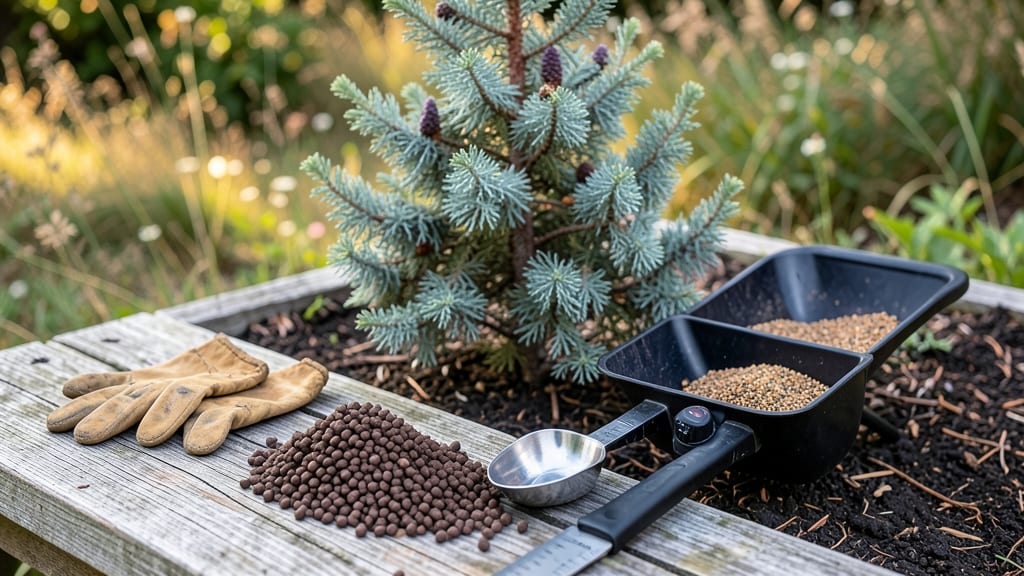
To fertilize junipers at the right time means feeding them when they’re ready to grow—not just when you remember.
Junipers thrive with the right care—but timing your fertilization wrong can stunt growth or even harm these hardy evergreens. Discover the perfect seasons to feed junipers for lush, vibrant foliage year after year.
Spring is the star of the show, when junipers wake up from dormancy and start pushing out new growth. But fall can also be a smart move if your climate stays mild.
The key is avoiding fertilizer in winter or late summer, when junipers are already slowing down or stressing out.
Here’s what you’ll learn: the best months to fertilize, how to spot nutrient needs (and when to skip it), and the simple steps to keep your 🌲 thriving without overdoing it.

Best seasons to fertilize junipers: spring vs. fall timing explained
Junipers are low-maintenance evergreens, but their growth responds dramatically to timely fertilization. Unlike fast-growing plants, junipers thrive on a gentle feeding schedule that aligns with their natural dormancy cycles.
The two best windows—early spring and fall—offer distinct advantages for nutrient uptake and root development. Understanding these seasons helps you avoid over-fertilization or missed growth opportunities.
Spring fertilization kickstarts growth when soil warms and roots become active. This is when junipers need nutrients most—especially nitrogen—to fuel new foliage. Fall feeding, on the other hand, prepares plants for winter by strengthening roots.
Both approaches avoid the stress of fertilizing during dormancy or extreme heat. Let’s break down why these seasons work best and how to adapt for your climate.
🌱 Key Insight: Junipers prefer lean, well-draining soil, so fertilization should be light and infrequent. Overdoing it leads to burned roots or excessive soft growth that’s prone to winter damage. The right timing ensures nutrients are absorbed efficiently without waste.
| Season | Best Time | Soil Temp | Root Activity | Fertilizer Type | Notes |
|---|---|---|---|---|---|
| Spring | Early spring (March–April) | 45–60°F (7–15°C) | High (new growth phase) | Slow-release (5-10-10) | Boosts foliage; avoid late spring heat. |
| Fall | Late fall (October–November) | 50–65°F (10–18°C) | Moderate (root strengthening) | Balanced (10-10-10) | Preps for winter; stop 6 weeks before frost. |
| Summer | Avoid (June–August) | 70°F+ (21°C+) | Low (dormancy risk) | None (unless deficiency) | Heat stress reduces nutrient uptake. |
| Winter | Avoid (December–February) | Below 40°F (4°C) | Dormant | None | Roots inactive; fertilizers burn. |
Spring fertilization is critical because junipers resume growth when soil temperatures rise above 45°F (7°C). This is when roots absorb nutrients most efficiently. Use a slow-release fertilizer (like 5-10-10) to provide steady nutrition without overwhelming the plant.
For young junipers, a light application (1 tbsp per plant) in early spring encourages dense foliage.
Fall feeding, however, serves a different purpose: root hardening. As days shorten, junipers prepare for dormancy. A balanced fertilizer (10-10-10) applied in late fall (October–November) helps roots store nutrients for winter.
This is especially useful in cooler climates (USDA Zones 3–6) where winters are harsh. Stop fertilizing 6 weeks before frost to avoid stimulating late-season growth that won’t harden off.
Regional adjustments are key. In southern climates (Zones 7–10), where winters are mild, you might fertilize in early fall (September) to avoid heat stress. In northern zones (Zones 1–5), wait until late spring (May) when soil thaws. Always check soil moisture—never fertilize dry soil—as it increases burn risk.
Micro-climates matter too. Junipers in urban areas with heat islands may need shaded fertilizer applications to prevent salt buildup. Those in windy locations benefit from mulching after feeding to retain moisture. For container-grown junipers, use half the recommended dose since roots are confined and absorb nutrients faster.
Signs you’ve timed fertilization right include vibrant new growth in spring and darker green needles by fall. Avoid fertilizing if needles are yellowing (a sign of over-fertilization) or if soil is waterlogged.
Junipers are resilient, but poor timing leads to stress, pests, or even death. Stick to the spring-fall rule, and your junipers will reward you with year-round color and structure.
🌿 Pro Tip: Test your soil before fertilizing. Junipers often thrive in acidic to neutral soil (pH 6.0–7.5). If your soil is too alkaline, amend with sulfur or peat moss before applying fertilizer to improve uptake.
Signs your juniper needs fertilizer (and when to skip it)
Junipers are tough plants, but even they show signs when their nutrient levels dip too low. Yellowing needles, sparse new growth, or brown tips are classic red flags. These evergreens often thrive in lean soil, so over-fertilizing is riskier than under-fertilizing—but how do you tell the difference?
Let’s break down the key indicators and when to hold off on feeding your junipers.
First, check the needle color. Healthy junipers have deep green needles year-round. If you notice pale yellow or bronze hues, this signals nitrogen deficiency, especially in spring.
For blue or silver junipers, duller colors mean they’re struggling. Meanwhile, dark brown patches could indicate over-fertilization or salt buildup from synthetic fertilizers.
🌲
⚠️ When NOT to Fertilize Junipers
- Winter months (Dec-Feb): Junipers are dormant and won’t absorb nutrients.
- After transplanting (wait 6-8 weeks to avoid root stress).
- If soil is waterlogged or compacted—fertilizer burns roots.
- Young junipers (<1 year old) need minimal feeding; focus on watering.
Over-fertilizing causes salt buildup, which dries out needles and attracts pests like spider mites.
Next, examine the growth pattern. Stunted branches or lack of new growth in spring suggests phosphorus or potassium deficiency. For mature junipers (3+ years old), a light feeding in early spring (March-April) can boost vigor.
But if your juniper is less than 2 feet tall, skip fertilizer entirely—focus on well-draining soil and watering deeply instead.
For organic vs. synthetic cues, watch the soil texture. Organic fertilizers (like compost or bone meal) improve soil structure over time, while synthetic granules can cause white crusts on soil—another sign of overuse.
If you’re unsure, conduct a soil test ($20 kits work) to check pH (6.0-7.0 ideal) and nutrient levels before applying anything.
Seasonal checklists simplify decisions: Young junipers (1-2 years) need no fertilizer; mature junipers benefit from a light feeding in spring and a second dose in early fall (September) to prepare for winter. Avoid fertilizing in summer heat—junipers go dormant to conserve water, and fertilizer can stress them.
Remember, junipers are low-maintenance plants. If your shrub looks healthy but just slow-growing, it’s likely happy with its current soil. The goal is balanced nutrition, not a fertilizer binge. When in doubt, skip it—your juniper will thank you with vibrant, disease-resistant foliage for years.
🪴