
How To
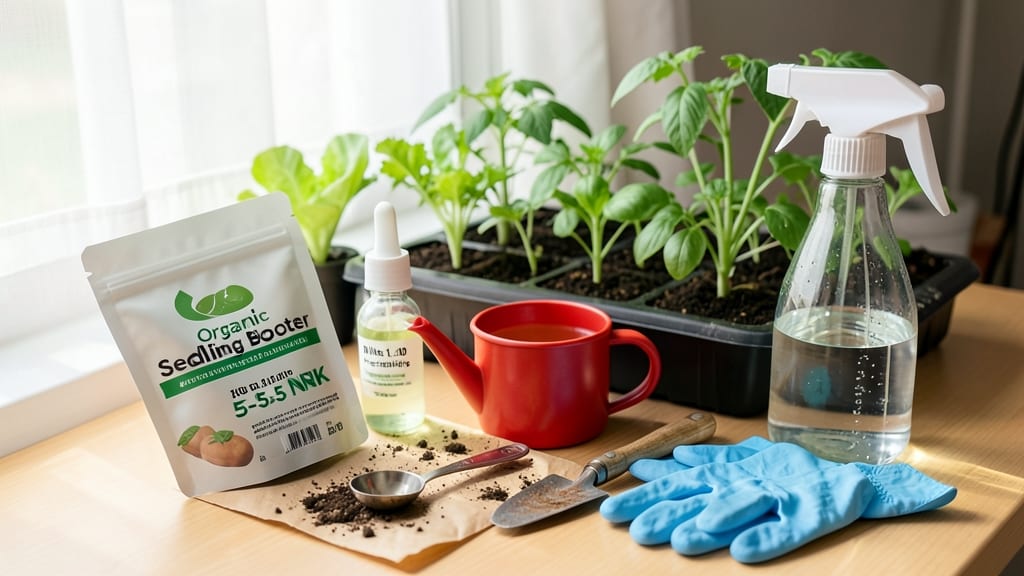
To fertilize new seedlings at the right time, wait until they’ve developed 2–4 true leaves—usually around 3 weeks after germination—when roots are strong enough to handle nutrients.
New seedlings need love—but too much fertilizer too soon can stunt their growth instead of boosting it. Timing is everything when it comes to feeding young plants, and getting it wrong could mean wasted effort and weaker roots.
Most beginners rush to fertilize as soon as sprouts appear, but those first few weeks are all about root development. A light, balanced starter solution (like a 5-5-5 blend) applied too early can burn delicate roots or encourage leggy, weak stems.
Below, I’ll break down the exact 3-week rule, how to spot when seedlings are ready for nutrients, and the best fertilizer types to use—without overdoing it.

The 3-Week rule: when to first fertilize seedlings for optimal root growth
New seedlings rely on the nutrients stored in their seed coats and the seed-starting mix for their first 2-3 weeks of life. That's why rushing to fertilize can actually burn delicate roots and stunt growth.
The 3-week rule gives seedlings time to develop a strong root system before they need extra nutrients.
This window aligns perfectly with when seedlings typically develop their first true leaves—not the initial seed leaves (cotyledons). True leaves indicate the plant is ready to photosynthesize efficiently and absorb nutrients from the soil.
Waiting until this stage ensures you're feeding plants that can actually use the fertilizer rather than overwhelming them.
Here's why timing matters: Over-fertilizing young seedlings creates a salt buildup in the soil that blocks water uptake. This causes crispy leaf edges and stunted growth, making your plants more susceptible to disease. The 3-week rule prevents this while giving roots time to establish before heavy feeding begins.
| Seedling Stage | Key Characteristics | Fertilizer Recommendation | Nutrient Focus |
|---|---|---|---|
| Week 1-2 (Germination) | Seed leaves (cotyledons) appear | None - Use seed-starting mix | Stored seed energy |
| Week 3 (True Leaves) | 2-4 dark green true leaves | Light starter solution (¼ strength) | Nitrogen (leaf growth) |
| Week 4-6 (Establishment) | Healthy stems, 4+ leaves | ½ strength balanced fertilizer | NPK 5-5-5 ratio |
| Week 7+ (Pre-Transplant) | Root-bound, sturdy stems | Full strength every 2 weeks | Phosphorus (root growth) |
At the 3-week mark, your seedlings should have developed 2-4 true leaves that are dark green and sturdy. These leaves indicate the plant is ready to utilize additional nutrients from the soil. Look for vigorously growing stems and healthy root systems pushing against the pot walls.
For vegetable seedlings like tomatoes and peppers, this is when you'll want to introduce a low-nitrogen fertilizer to prevent leggy growth. Flower seedlings benefit from a phosphorus boost at this stage to encourage blooming.
The key is using a balanced starter fertilizer with equal parts nitrogen, phosphorus, and potassium (NPK 5-5-5).
If your seedlings are pale or stunted by week 3, they may need a light feeding earlier—but never before germination. For organic gardeners, a diluted compost tea or fish emulsion works well. Synthetic options should always be half-strength for the first application to avoid nutrient burn.
After the initial feeding, maintain a 4-6 week schedule with diluted fertilizer. Too much too soon leads to salt buildup that damages roots, while too little results in weak, leggy plants. The 3-week rule gives you that perfect balance point where seedlings can handle extra nutrients without harm.
Remember that soil depletion is another key indicator. If your seedlings are growing quickly but the soil looks exhausted (light color, no organic matter), it's time to feed. For container-grown seedlings, this happens faster than in garden beds, so monitor soil health closely.
Pro tip: Always fertilize in the morning so plants have time to process nutrients before evening. Water thoroughly after applying fertilizer to rinse excess salts from the root zone. This simple routine prevents fertilizer burn while maximizing nutrient uptake.
Signs your seedlings need fertilizer vs. when to wait (and common mistakes)
Your seedlings might look tiny, but their nutrient needs change faster than you think. Waiting too long can leave them stunted, while fertilizing too early risks burning delicate roots. The key is watching for visual hunger cues—like slow growth or pale leaves—that signal it’s time to feed.
First, check for true leaves (not the first seed leaves). Once your seedlings have 2-4 true leaves and are about 3-4 weeks old, they’ve likely depleted the nutrients in their starter soil. This is your cue to introduce a gentle fertilizer.
But here’s where many gardeners go wrong: assuming bigger always means better. Over-fertilizing seedlings can cause salt buildup in the soil, leading to crispy leaf edges or even death. Always dilute fertilizers to half-strength for young plants.
⚠️ When NOT to Fertilize Seedlings
- Before germination – Soil nutrients are enough
- First 2 weeks – Roots are too fragile
- If leaves are yellow – Could signal overwatering, not hunger
- Within 48 hours of transplanting – Let roots recover first
Seedlings draw nutrients from their seed coat and starter soil initially. Rushing fertilizer can burn roots before they’re ready.
For organic options, try fish emulsion (1-2-2 ratio) or compost tea, both gentle on young plants. Synthetic choices like 5-5-5 starter fertilizer work too, but always follow label dilution instructions for seedlings.
Watch your seedlings’ growth rate after fertilizing. Healthy seedlings should show darker green leaves and faster stem thickening within 7-10 days. If growth slows further, you’ve likely overdone it—flush the soil with water and reduce future doses.
Remember: Patience is key. Seedlings grow faster outdoors after transplanting, so hold off on heavy feeding until they’ve established in their final spot. The first 3 weeks are about roots, not leaves—feed too early, and you’ll stunt the very growth you’re trying to encourage.