
How To
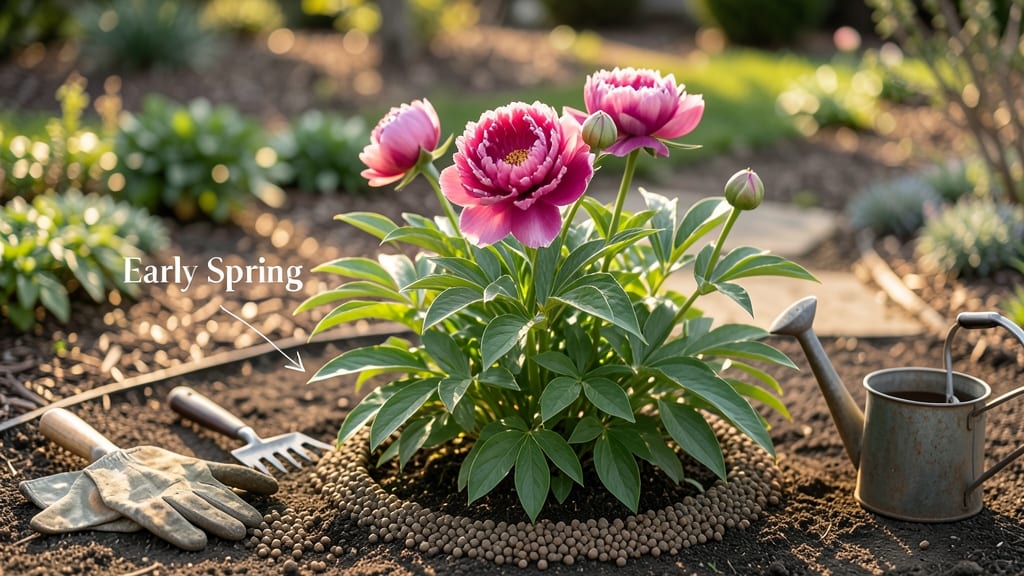
Fertilizing peonies at the right time—early spring and mid-summer—is the secret to bigger blooms and healthier plants 🌸.
Peonies are the crown jewels of any garden—but only if you feed them at the perfect time. Miss the window, and you’ll sacrifice vibrant blooms for years. Here’s the science-backed timing and method to maximize peony blooms effortlessly.
Most gardeners overlook the fact that peonies need a light feed in early spring when shoots emerge, not a heavy dose. Too much fertilizer too soon can actually weaken the plant, leading to fewer blooms.
Plus, regional differences matter—cooler climates like USDA Zone 6a may need adjustments to avoid late-season growth that won’t survive frost.
In this guide, I’ll walk you through the exact timing, the best fertilizer types (organic vs. synthetic), and how to spot signs of over- or under-fertilization. By the end, your peonies will be thriving with longer stems and fuller blooms—no guesswork required.

Peony fertilizing schedule: exact timing for spring and fall growth
Peonies thrive when fed at the right moments, not just any time. The key is three strategic feedings—early spring, post-bloom, and late summer—to fuel root growth, bloom development, and fall hardening.
Timing matters more than quantity, so let’s break down the exact schedule to avoid common mistakes like over-fertilizing or feeding when peonies are dormant.
Most gardeners make one fatal error: fertilizing peonies after mid-summer. This triggers late growth that won’t harden off before frost, leading to winter damage. Instead, focus on spring and early summer when peonies are actively building energy stores.
Let’s dive into the 3-step framework that guarantees lush blooms year after year.
⚠️ NON-NEGOTIABLE: Test your soil first! Peonies prefer slightly acidic to neutral pH (6.0-7.0). If your soil is off, adjust with lime (to raise pH) or sulfur (to lower pH) before fertilizing. A simple $10 soil test kit from your local garden center saves headaches later.
Let’s start with early spring, the most critical window. When you see those first green shoots poking through the soil (usually March or April depending on your USDA zone), it’s time to feed.
Use a balanced 5-10-10 fertilizer or well-aged compost to give peonies a gentle nutrient boost without overwhelming them.
Pro tip: Side-dress the fertilizer 2 inches away from the crown and water it in deeply. This prevents root burn and ensures nutrients reach the deep taproots peonies rely on. Avoid granular fertilizers that sit on the soil surface—they can burn delicate new growth.
After the main bloom season (typically May-June), switch to a low-nitrogen fertilizer like 3-4-6 or bone meal. This shift is non-negotiable—high nitrogen now will delay next year’s blooms by encouraging leafy growth instead of flower buds.
Apply this 4-6 weeks post-bloom when foliage is still green but slowing down.
Many gardeners skip the late summer feeding, but this is where you future-proof your peonies. In early August, add a potassium-rich fertilizer (like 0-0-50) to strengthen cell walls and prevent fungal diseases.
Think of it as armor for winter—peonies that get this boost recover faster in spring and produce larger blooms the following year.
One mistake I see often is over-mulching in spring. While mulch is great, 3-4 inches is enough—any more can suffocate roots and delay warming. Pair your early spring fertilizer with a light mulch layer (straw or shredded leaves work best) to retain moisture without smothering growth.
For organic gardeners, swap synthetic fertilizers for compost tea, fish emulsion, or kelp meal. These options provide slow-release nutrients that mimic natural soil conditions.
Just remember: less is more—organics break down faster, so you may need to apply them every 3-4 weeks instead of every 6.
If your peonies aren’t blooming despite proper care, check your fertilizer ratios. Too much nitrogen (first number) = lush leaves, no flowers. Too little <
Best fertilizers for peonies: organic vs synthetic options for larger blooms
Peonies thrive when fed the right nutrients, but choosing between organic and synthetic fertilizers can feel overwhelming. Organic options like compost and bone meal build soil health slowly, while synthetic blends deliver quick nutrient boosts.
The key is matching your peony's needs to your garden's ecosystem. I’ll break down the best choices, application rates, and even DIY recipes to avoid burning those delicate roots.
Peonies need phosphorus for strong roots and potassium for blooms, but too much nitrogen will send them into leafy overgrowth instead of flowers. Organic fertilizers like fish emulsion or kelp meal provide balanced nutrition without harsh chemicals.
Synthetic options, such as a 5-10-10 NPK blend, offer precise control but require careful monitoring to prevent overfeeding.
Here’s the breakdown of when and how to apply each type to maximize those lush, garden-worthy blooms without risking root burn or stunted growth.
When to Fertilize Peonies
| Timing | Pros | Cons |
|---|---|---|
| Early Spring (March-April) | Boosts root growth before blooming season | Overfeeding can delay blooms |
| Post-Bloom (June-July) | Encourages next year’s buds | Late feeding may promote weak stems |
| Fall (September-October) | Strengthens roots for winter | Can stimulate late growth vulnerable to frost |
⚠️ Critical Tip: Always water peonies deeply before and after fertilizing to prevent root burn.
For organic fertilizers, I recommend starting with a 5-10-10 NPK blend in early spring, then switching to bone meal (3-4-0) in late summer to support root development. A compost tea applied monthly keeps soil microbes happy, which in turn helps peonies absorb nutrients more efficiently.
My go-to DIY recipe? Steep banana peels in water for 24 hours—this potassium-rich tea is a free, natural way to boost blooms.
Synthetic fertilizers like Miracle-Gro Shake 'n Feed or Espoma Peony Food are convenient but require precision. Use only half the recommended dose to avoid overfeeding, which can lead to leafy growth at the expense of flowers.
Always follow the label instructions and monitor your peonies for signs of stress, like yellowing leaves or stunted stems.
Test your soil every 2-3 years to check pH and nutrient levels. Peonies prefer a slightly acidic to neutral soil (pH 6.5-7.0). If your soil is too alkaline, amend it with sulfur or peat moss before fertilizing.
A simple soil test kit from your local garden center will give you all the data you need to tailor your feeding plan.
Remember, peonies are perennials that reward patience. Over-fertilizing is a common mistake that leads to fewer blooms, not more. Stick to a light feeding schedule—twice a year at most—and focus on building healthy soil.
With the right nutrients and timing, your peonies will reward you with showstopping blooms for decades.