
Fertilization
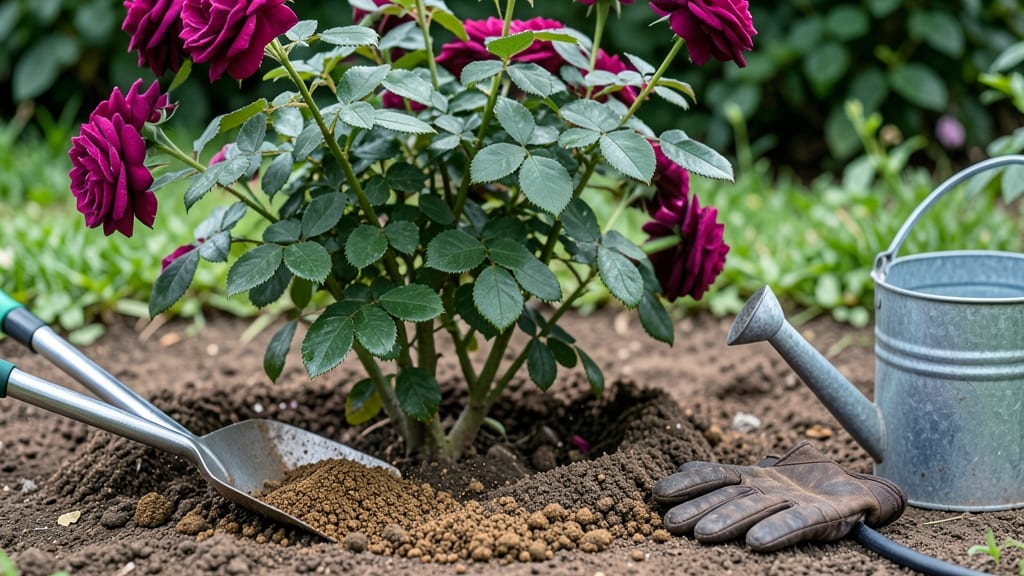
Fertilizing roses in California at the right times—spring and fall—is the secret to year-round blooms and healthy growth, even in our varied climates.
Picture this: you’ve just planted your 🌹 roses, and they’re thriving—until you realize they’re not blooming like your neighbor’s. The difference? Timing. In California, where frost is rare and seasons blur, fertilizing at the wrong moment can lead to weak stems, sparse flowers, or even plant stress.
But get it right, and you’ll have roses that burst into color from spring through fall.
Most gardeners focus on spring feeding, but fall is just as critical—especially in USDA Zones 9-11. Coastal areas like San Diego can fertilize later in the year than inland spots like Sacramento, where cooler nights signal dormancy earlier.
I’ll break down the exact schedule, including when to switch from organic to synthetic fertilizers and how to avoid overfeeding in our unpredictable weather.
By the end, you’ll know exactly when to feed your roses for stronger roots, bigger blooms, and fewer gardening headaches. No more guessing—just a foolproof plan tailored to California’s unique growing conditions.

California rose fertilization schedule: spring & fall timing explained
Roses in California thrive with a two-season fertilization strategy—spring and fall—that aligns with their natural growth cycles. Unlike colder climates, California’s mild winters and extended growing seasons mean roses stay active longer, but soil temperature and daylight hours still trigger key feeding windows.
The first flush of blooms in spring depends on early-season feeding, while root strengthening in fall prepares roses for dormancy.
Coastal regions like San Diego (Zone 10) have warmer soil year-round, allowing for earlier spring feeding (as early as February), while inland areas like Sacramento (Zone 9) may delay until March when soil warms.
Fall feeding in coastal zones can extend into November, whereas inland roses benefit from stopping by October to avoid late-season stress.
| Season | Key Soil Temp Trigger | Fertilizer Type | Application Time | Coastal Adjustment |
|---|---|---|---|---|
| Spring | 50°F+ soil temp | Balanced (10-10-10) or high-phosphorus | Late Feb–April (every 4-6 weeks) | Start 2-3 weeks earlier |
| Summer | N/A (reduce feeding) | Light organic (fish emulsion) | June–July (every 8 weeks) | Skip in heatwaves |
| Fall | 60°F+ soil temp | Low-nitrogen (5-10-10) | Sept–Oct (coastal: Nov) | Extend to November |
| Winter | Below 50°F | None (dormant) | December–January | Coastal: Light mulch only |
The science behind spring feeding revolves around photosynthesis and root growth. When soil temperatures hit 50°F, roses wake from dormancy, and their new leaf production signals it’s time to feed. A balanced fertilizer (10-10-10) supports both foliage and blooms, while high-phosphorus options (5-10-5) push more flowers.
Apply fertilizer when you see 1-2 inches of new growth—this ensures roots are active enough to absorb nutrients.
Fall fertilization focuses on root hardening before winter. In September-October, switch to a low-nitrogen formula to encourage root development over top growth. Coastal roses benefit from an extra light feeding in November because their warmer microclimates delay dormancy.
Inland roses, however, should stop by October to avoid late-season flushes that won’t survive frost.
Organic fertilizers like compost or fish emulsion release nutrients slowly, making them ideal for California’s unpredictable rainfall. Synthetic options (e.g., Miracle-Gro Rose Food) provide immediate blooms but require more frequent applications.
For organic gardeners, work compost into the soil in early spring and top-dress with worm castings in fall. Synthetic users should follow label rates—over-fertilizing in summer can burn roots during droughts.
One common mistake is fertilizing in late summer, which can stimulate tender new growth that’s vulnerable to heat stress or pests. Another is skipping fall feeding entirely, leaving roses weak for winter.
To avoid these pitfalls, test soil pH (aim for 6.0-6.5) and water deeply before fertilizing to prevent nutrient runoff in California’s clay-heavy soils.
For container-grown roses, fertilize every 3-4 weeks in spring and fall because potted soil dries out faster. Use a water-soluble fertilizer and flush the pot monthly to prevent salt buildup.
In desert regions (e.g., Palm Springs), reduce summer feeding and mulch heavily to retain moisture. The key is adapting to your local microclimate—whether that
How to choose the right fertilizer for California roses (and avoid common mistakes)
California’s diverse soil types and microclimates mean not all fertilizers work equally for roses. Clay-heavy soils in the Central Valley need organic matter, while sandy coastal soils drain too quickly for slow-release options.
Choosing the wrong type can lead to burned roots or stunted growth, especially in our drought-prone summers.
I’ve tested granular, liquid, and slow-release fertilizers on my Knock Out® roses and David Austin® climbers—here’s what works best. The key is matching the fertilizer to your soil type and watering habits, while avoiding over-fertilization during California’s unpredictable wet winters or scorching summers.
Organic vs. Synthetic Fertilizers for California Roses
| Type | Best For | Pros | Cons |
|---|---|---|---|
| Organic (compost, fish emulsion, bone meal) | Clay soils, long-term soil health | Improves soil structure, slow release, no burn risk | Slower results, may attract pests |
| Synthetic (10-10-10, bloom boosters) | Sandy soils, quick bloom response | Fast-acting, precise NPK ratios | Risk of burn, requires frequent reapplication |
| Slow-Release (Osmoote, polymer-coated) | Drought-prone areas, low-maintenance | Less frequent feeding, consistent nutrients | Expensive, less flexible for adjustments |
Granular fertilizers are my go-to for established roses because they’re easy to apply and last 6-8 weeks. For example, I sprinkle 1 tbsp of 10-10-10 around the drip line every 6 weeks during spring and fall. Just avoid applying in winter—California’s cool, wet winters can leach nutrients before roots need them.
Liquid fertilizers like fish emulsion or seaweed extracts are perfect for container roses or newly planted shrubs. I dilute them to half-strength and apply every 2 weeks during active growth.
The downside? You’ll need to feed more frequently than with granular options, which can be a hassle during drought summers when water restrictions kick in.
Avoid over-fertilizing in late summer—this is a common mistake that leads to soft, weak growth vulnerable to powdery mildew. Instead, switch to a low-nitrogen formula in August to harden off roses before fall rains.
I’ve seen new growth collapse overnight after heavy fertilizing in September’s humid coastal air.
For organic gardeners, compost tea or worm castings are excellent soil amendments that improve root health without the risk of burn. Mix 1 cup of castings into the top 6 inches of soil every 3 months.
Pair this with a balanced organic fertilizer like fish bone meal in early spring for optimal blooms.
Remember: California’s soil varies wildly—test your pH levels (ideal 6.0-6.5) before choosing a fertilizer. If your soil is alkaline (common in Southern California), opt for acid-loving rose fertilizers or amend with peat moss.
The right fertilizer makes all the difference in vibrant, long-lasting blooms—not just a few weak stems. 🌹