
Planting
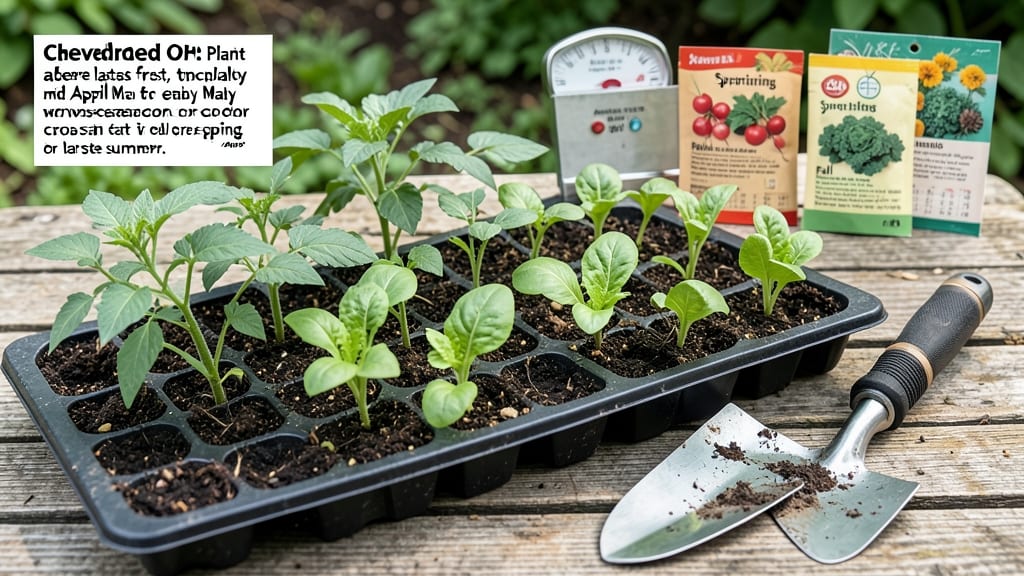
Planting a garden in Cleveland, Ohio, starts when soil warms to 50°F—usually mid-April to early May—but timing is everything here.
Cleveland’s unpredictable weather can make gardening a gamble—but timing your plantings just right means the difference between a thriving harvest and a frost-killed disappointment.
With Zone 6’s short growing season, cool-season crops like kale and peas can go in as early as March, while tomatoes and peppers wait until after the last frost (typically mid-May).
Here’s your exact frost-free planting timeline, broken down by crop type and seasonal shifts, so you can maximize your garden’s potential without guessing.
Cleveland Ohio frost dates: critical planting windows by season
Understanding Cleveland's frost dates is the first step to successful gardening in USDA Zone 6a. The last frost date typically falls between April 15 and May 15, while the first frost arrives between October 10 and November 10.
These dates create a 150-180 day growing season, which is why timing is everything for warm-season crops like tomatoes and peppers.
For cool-season crops such as kale and spinach, you can start planting as early as March 15, even before the last frost. These hardy plants tolerate light frosts and can handle Cleveland's chilly spring nights.
Meanwhile, warm-season plants like peppers and eggplants need to wait until after the May 15 last frost date to avoid frost damage.
Urban gardeners in Cleveland may experience microclimates that shift frost dates by 1-2 weeks. South-facing walls or paved surfaces can create warmer microclimates, allowing earlier plantings, while shaded areas may delay the last frost by 7-10 days.
Rural areas tend to have colder nights and may need to adjust planting dates accordingly.
Here’s a quick reference for Cleveland’s critical frost windows and how they impact your planting schedule:
| Season | Critical Date | Action | Notes |
|---|---|---|---|
| Spring | April 15–May 15 | Last Frost | Plant warm-season crops after this date |
| Spring | March 15–April 1 | Early Cool-Season Planting | Spinach, peas, kale (cover with frost cloth) |
| Fall | October 10–November 10 | First Frost | Harvest warm-season crops before this date |
| Fall | September 1–October 1 | Late Cool-Season Planting | Broccoli, carrots, lettuce (use row covers) |
| Year-Round | Anytime | Perennials | Plant in early spring or fall for best establishment |
When planning your garden, soil temperature is just as critical as air temperature. Warm-season crops like tomatoes and peppers need soil temperatures above 60°F to germinate. Use a soil thermometer to monitor conditions, especially in urban areas where concrete can delay warming.
For container gardening in Cleveland, you can extend the season by 2-3 weeks on either end. Containers warm up faster in spring and retain heat longer in fall, making them ideal for early plantings of lettuce or late-season basil.
Just ensure pots have drainage holes to prevent waterlogged roots in Cleveland’s rainy springs.
If you’re growing heat-loving vegetables like okra or sweet potatoes, consider starting them indoors 4-6 weeks before the last frost. This gives them a head start and increases your chances of a successful harvest before the first frost hits.
For cool-season crops, succession planting every 2-3 weeks ensures a continuous harvest.
Pro tip: Keep a gardening journal to track your local frost dates over the years. Cleveland’s weather patterns can shift slightly each year, and your notes will help you fine-tune your planting schedule for future seasons.
Even a 5-day shift can mean the difference between a thriving garden and a frost-killed disappointment.
Remember, Cleveland’s short growing season demands careful planning, but with these frost dates in mind, you’ll be well on your way to a bountiful harvest. Happy gardening! 🌱
Best crops to plant in Cleveland by month: month-by-month guide
Cleveland’s Zone 6 climate demands precision—plant too early and frost will strike, too late and you’ll miss peak harvests. The key? Soil temperature and seasonal timing tailored to Cleveland’s 180-day growing season.
I’ve broken this down into actionable monthly steps for high-yield favorites like tomatoes, peppers, and kale, plus succession planting tricks to keep your garden productive all season.
Start with cool-season crops in early spring when soil reaches 40°F, then shift to warm-season plants after the last frost (typically April 15–May 15). Fall planting begins in August for hardy greens and root vegetables that thrive in cooler temps.
Urban gardeners? Use microclimates—south-facing walls or rooftops can add 2–3 weeks to your growing window.
- 1 March: Direct-sow peas, spinach, lettuce (soil 40°F). Start onions, leeks indoors.
- 2 April: Plant kale, broccoli, carrots (soil 50°F). Harden off tomato/pepper starts for May transplanting.
- 3 May: Transplant tomatoes, peppers, eggplant (soil 60°F). Succession-sow bush beans, cucumbers every 2 weeks.
- 4 June: Direct-sow corn, zucchini, summer squash. Thin carrots, beets to 2" spacing. Watch for tomato hornworms!
- 5 July: Succession-plant lettuce, radishes for fall harvest. Mulch strawberries to retain moisture. Harvest early peas to prevent bolting.
- 6 August: Plant fall broccoli, cabbage, kale (soil 55°F). Start garlic for next year. Protect tomatoes with row covers if nights dip below 50°F.
- 7 September: Direct-sow spinach, arugula, turnips. Harvest peppers, tomatoes before frost. Cover greens with frost cloth to extend harvests.
- 8 October: Plant garlic, hardy onions for spring. Harvest kale, Brussels