
Plants
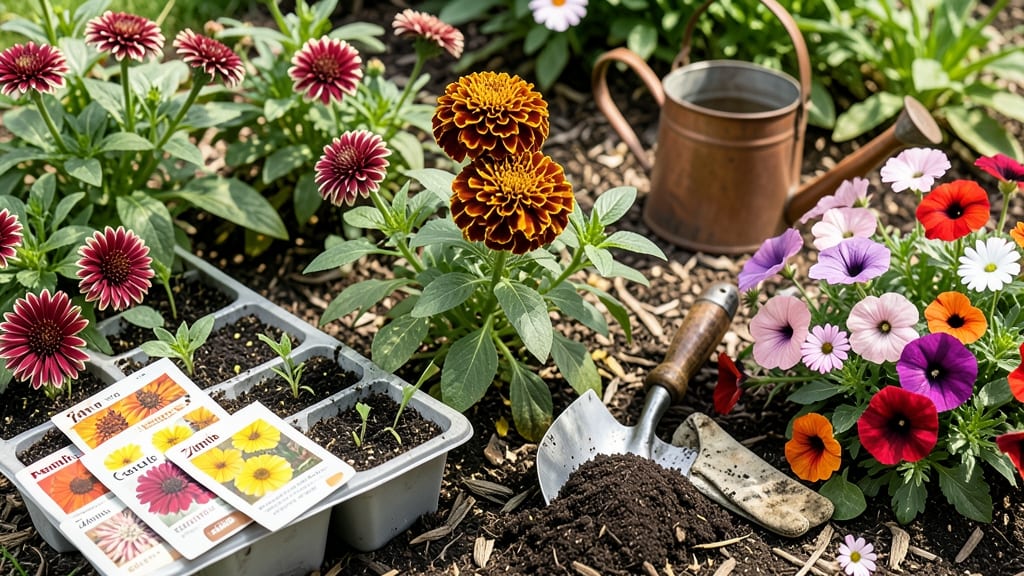
Planting annuals in Pennsylvania after the last frost date — typically mid-April to mid-May — is the key to vibrant blooms and bountiful harvests.
Pennsylvania’s unpredictable frost dates can turn your annual flowers from a stunning display into a sad, frozen mess unless you plant at the perfect time. Timing is everything, and missing the window by even a week can mean the difference between a thriving garden and wasted seeds.
In USDA zones 5b-7a, where spring arrives in waves, knowing when to start seeds indoors, when to transplant seedlings, and how to protect tender plants from late frosts makes all the difference.
Whether you’re growing marigolds 🌸 for pollinators or tomatoes for your summer salads, getting the timing right ensures your garden thrives.
Below, I’ll break down the exact frost dates by region, share strategies for adjusting to Pennsylvania’s microclimates, and recommend the best annuals for your spring and fall planting windows—so you can enjoy a garden that’s always in season.
Pennsylvania frost dates by region: exact planting windows for annuals
Pennsylvania’s USDA hardiness zones 5b-7a create a diverse climate where last frost dates can vary by two weeks or more between regions. For annuals, this means your Philadelphia garden might be ready for marigolds by April 20, while Erie’s cooler shores won’t see safe planting until May 1.
Understanding these windows prevents frozen seedlings and maximizes your bloom season.
Most of Pennsylvania experiences 165 frost-free days, but first frost dates shift dramatically from Erie’s October 5 to Scranton’s October 25.
Warm-season annuals like tomatoes and zinnias need all 165 days to thrive, while cool-season varieties such as pansies can handle light frosts. City-specific timing is critical—planting basil too early in Pittsburgh (zone 6a) risks a late-May frost that stunts growth.
Here’s your region-by-region cheat sheet for planting annuals, including warm-season vs. cool-season guidelines. Use these dates as your starting point, then adjust based on your microclimate (e.g., south-facing slopes warm up faster than shaded areas).
For warm-season annuals like tomatoes, peppers, and zinnias, wait until after your region’s last frost date and soil reaches 60°F.
In Erie or Scranton, this might mean delaying until mid-May. Cool-season annuals such as lettuce, pansies, and snapdragons can handle light frosts (down to 28°F for some varieties), so plant them 4–6 weeks before your last frost for early blooms.
Pro tip: Use biodegradable row covers to extend your warm-season window by 2–3 weeks in cooler zones like Erie.
For fall planting, start seeds indoors 8–10 weeks before your first frost to ensure blooms before winter sets in. Philadelphia gardeners can push the envelope with heat-tolerant annuals like celosia or portulaca, which thrive in the city’s urban heat islands.
Always check your microclimate—a south-facing wall can add 1–2 weeks to your growing season compared to a north-facing bed. If you’re unsure, use frost-sensitive plants like basil as a canary in the coal mine: if they survive a late frost, your other annuals likely will too.
Remember, these dates are averages. Keep a garden journal to track your local frost dates over 3–5 years—your data will be more accurate than national trends
How to adjust planting times for Pennsylvania’s microclimates and unpredictable weather
Pennsylvania’s microclimates and unpredictable weather can make planting annuals feel like a guessing game. One week of warm temperatures might trick you into planting too early, only for a late frost to wipe out your tender seedlings.
The key is flexibility—using tools and techniques to extend your growing season and protect your plants when Mother Nature throws curveballs.
I’ve learned the hard way that row covers and cold frames are my best friends in PA gardens. These simple tools can shave weeks off your planting timeline by creating a warmer, more stable environment for young plants.
For example, a lightweight row cover can protect marigolds and petunias until two weeks after your usual last frost date, giving them a head start in cooler areas like Erie or the Poconos.
⚠️ callout-warning ⚠️
Another game-changer is succession planting, which lets you stagger your plantings every 2-3 weeks to ensure a steady harvest or bloom. This works especially well for fast-growing annuals like bush beans or radishes. If your first planting gets nipped by frost, the second wave will still thrive. I’ve even used straw mulch to insulate soil and keep roots warm, which buys me an extra 10-14 days of growing time in fall.
For heat-loving annuals like sunflowers or zinnias, timing is about avoiding the dog days of summer. Plant these in late May or early June to let the soil warm up first.
In Pittsburgh’s (Zone 6b) sweltering July, I’ve had better luck with heat-tolerant varieties like ‘Heatwave’ zinnias, which can handle temperatures up to 95°F without wilting.
Don’t overlook fall planting either! Many cool-season annuals, such as pansies and snapdragons, thrive when planted in August or early September. These flowers can handle light frosts and even bloom until November in milder areas like Lancaster.
Just be sure to choose frost-resistant varieties and use row covers if a hard freeze is forecasted.
My biggest lesson? Monitor local weather patterns and adjust on the fly. Sign up for free frost alerts from your local Cooperative Extension office, and keep a planting journal to track what works each year.
With these strategies, you’ll turn PA’s unpredictable climate into an advantage—no more sad, frozen seedlings! 🌱