
Plants
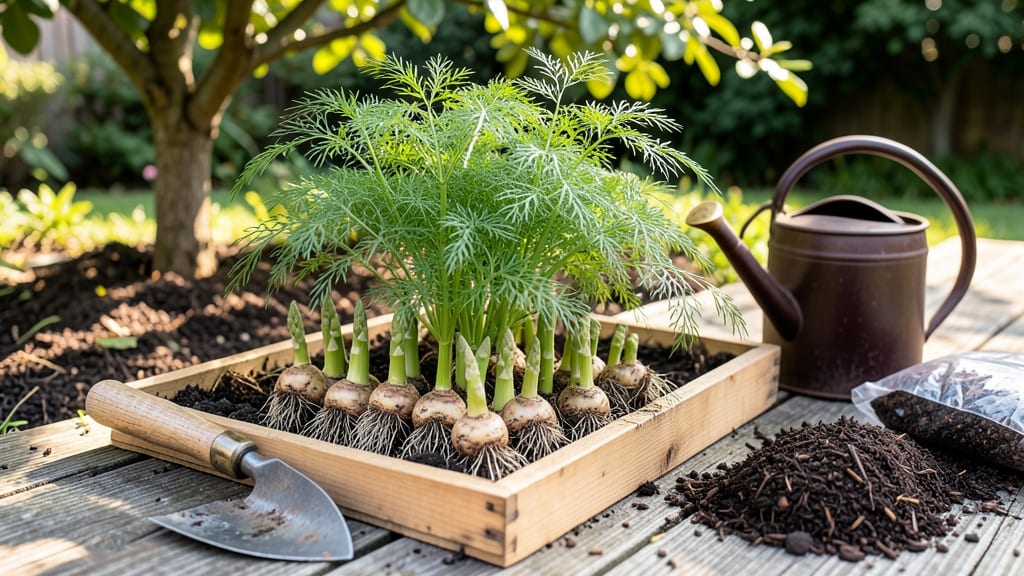
Planting asparagus in Zone 9 during the winter months is your best bet for a fast, bountiful harvest — but timing matters more than you might think.
If you’re dreaming of a bountiful asparagus harvest in Zone 9’s warm climate, timing your planting perfectly is the key to avoiding stunted growth or wasted effort. Too early, and the heat will stress young roots; too late, and you’ll miss the ideal soil conditions for establishment.
The difference between a thriving patch of 🌱 asparagus and a disappointing one often comes down to those few weeks.
Zone 9’s mild winters and long growing season mean you’ve got a unique window—December through February—to get those crowns in the ground. This is when soil stays cool enough for roots to settle in without the summer heat zapping their energy.
Skip this window, and you risk planting during the hottest months, which can lead to slow growth or even crown rot.
In this guide, I’ll walk you through the exact months to plant, how to prep your soil for Zone 9’s tricky conditions, and the simple tricks to ensure your asparagus crowns take root fast.
By the end, you’ll know exactly when to dig in for spears that emerge earlier and stronger than ever before.
Best planting months for asparagus in Zone 9: avoiding heat stress
In Zone 9, where summers are scorching and winters are mild, planting asparagus at the wrong time can spell disaster for your crop. The key is to establish roots before the heat stress of summer kicks in, which is why early fall or late winter are your best bets.
Unlike cooler climates, Zone 9’s 365 frost-free days mean you must work with a narrower window to avoid stunted growth or even plant failure.
Coastal areas like Southern California have cooler microclimates, while inland regions like Arizona’s Phoenix metro can hit 100°F+ by late spring. This means timing varies slightly—coastal gardeners have a few extra weeks, while inland growers must act faster. Let’s break down the ideal planting windows and why they matter.
Soil temperature is your best friend when planting asparagus in Zone 9. Aim for 50-65°F (10-18°C)—any warmer, and your crowns will struggle to establish roots before the heat sets in. Use a soil thermometer to check depths of 4-6 inches, where roots will grow. If temps are too high, wait a few weeks or use shade cloth to protect young plants.
In coastal areas, like San Diego or Santa Barbara, you can push planting into early November because ocean breezes moderate temperatures. Inland areas, however, should stick to January-February to avoid the rapid warming that kicks in by March.
For example, Phoenix’s soil can hit 80°F (27°C) by late February—far too hot for asparagus crowns.
Once planted, mulch heavily with straw or wood chips to keep soil cool and retain moisture. Asparagus crowns need consistent moisture for the first 60 days to establish a robust root system.
Without this, your plants will bolt to seed prematurely, reducing your harvest potential. Think of mulch as your insurance policy against Zone 9’s intense sun.
If you’re in a transition zone (e.g., Orange County or Tucsonlate January. These areas experience microclimate shifts where coastal breezes don’t reach, and soil warms faster. Always monitor your local weather forecasts for heatwave warnings—these can push soil temps into dangerous ranges overnight.
Pro tip: If you miss the ideal window, don’t despair. You can still plant asparagus in March, but expect a 50% reduction in spear yield the first year.
The crowns will survive, but they’ll focus energy on root recovery rather than producing harvestable spears. This is why timing is everything in Zone 9’s climate.
Remember, asparagus is a perennial crop—once established, it can produce for 15-20 years. But that first year sets the stage for everything that follows. By planting in the optimal window and protecting your crowns from heat stress, you’ll be rewarded with tender, homegrown spears for years to come. 🌱
How to prep your soil for asparagus in Zone 9’s warm climate
Asparagus thrives in Zone 9’s mild winters but struggles with poor soil conditions, especially our region’s heavy clay or sandy soils. The secret to a bountiful harvest starts with proper soil prep—because asparagus roots need 6-8 inches of loose, nutrient-rich soil to establish before summer heat arrives.
Zone 9’s dry spells and intense sun demand special attention. Asparagus plants are perennial workhorses, meaning they’ll reward you for years if you give them the right foundation. Let’s break down the essential soil prep steps tailored for our climate.
- 🌱 Test & Adjust pH: Aim for 6.5–7.5—use lime to raise pH if needed, or sulfur to lower it. Zone 9 soils often test alkaline, so acid-loving plants like blueberries won’t thrive here, but asparagus does!
- 🪴 Amend with Organic Matter: Mix in 3–4 inches of compost or well-rotted manure. Asparagus roots need nutrient-rich soil to grow thick spears—think of it as fuel for your harvest.
- 💧 Improve Drainage: Heavy clay? Add coarse sand or perlite to break up compaction. Sandy soils? Blend in peat moss or coconut coir to retain moisture. Waterlogged roots = rot.
- ☀️ Mulch Heavily: Apply 3–4 inches of straw or wood chips to retain moisture and regulate soil temperature. Zone 9’s hot summers can dry out soil quickly—mulch acts like a natural blanket.
- ✂️ Loosen the Soil: Use a broadfork to aerate 12–18 inches deep. Asparagus roots grow vertically, so they need room to spread without hitting hardpan.
Don’t skip the soil test—Zone 9’s mineral-heavy soils can surprise you. Many gardeners here assume their soil is fine, but hidden compaction or nutrient deficiencies can sabotage your asparagus before it even sprouts.
I’ve seen stunted plants in perfectly sunny spots because the soil was too dense or alkaline.
For heavy clay soils, consider planting asparagus in raised beds. They warm up faster in spring and drain better, which is a game-changer for Zone 9’s unpredictable rains. Fill beds with a mix of topsoil, compost, and sand for the perfect growing medium.
Once your soil is prepped, plant asparagus crowns 6–8 inches deep in late winter or early spring.
The deeper they go, the stronger the roots—and the more spears you’ll harvest in years to come. Patience is key: It takes 2–3 years for asparagus to establish, but with the right soil, you’ll be rewarded with harvests for decades. 🌱