
Plants
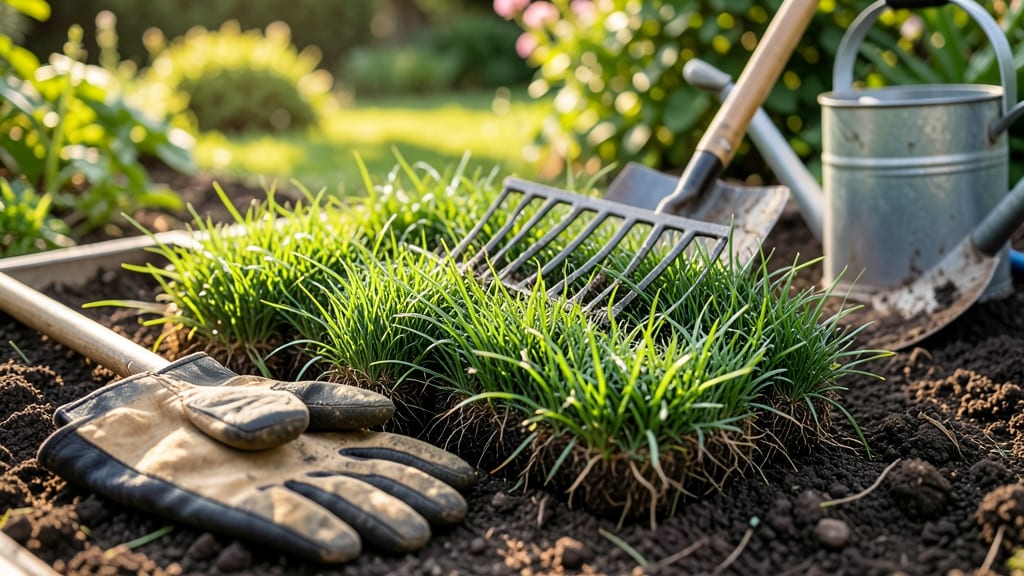
Planting Bermuda grass in Florida at 65°F soil temperatures is the key to fast, deep-rooted growth that thrives in the heat.
Get it wrong, and you’ll spend months watching patches struggle—especially in North Florida’s cooler spring or South Florida’s early heat spikes. The right timing isn’t just about the calendar; it’s about matching the grass’s natural rhythm with your region’s microclimate.
Below, I break down the exact soil temperature triggers, the best months by zone, and how to prep your yard for fast establishment—no guesswork, just science-backed steps for a lawn that stays lush all year.
You’ll learn how to test soil temps, avoid common pitfalls (like planting too early), and adjust for Florida’s unpredictable weather—so your Bermuda grass takes off within weeks, not months.
Optimal soil temperature ranges for planting Bermuda grass in Florida
Bermuda grass thrives in Florida’s heat, but getting the soil temperature right is critical for fast germination and strong root development. Unlike cool-season grasses, Bermuda needs warm soil to sprout consistently—too cold, and seeds sit dormant; too hot, and they risk drying out before establishing.
The sweet spot? 65°F to 75°F, where seeds germinate in 7–14 days and sprigs take root aggressively.
Florida’s climate varies dramatically from North to South, so timing matters. In North Florida (USDA Zones 8a–9a), wait until late April or May when soil warms steadily.
Meanwhile, Central and South Florida (Zones 9b–11) can plant as early as February or March, when daytime highs push soil temps into the ideal range. A soil thermometer is your best tool to avoid guesswork—rent one from a garden center or borrow from a local nursery.
Here’s the breakdown you need to plan your Bermuda grass planting:
| Planting Method | Optimal Soil Temp | Germination Time | Florida Region | Best Months |
|---|---|---|---|---|
| Seeds | 65°F–70°F | 10–14 days | North Florida | April–May |
| Sprigs | 70°F–75°F | 7–10 days | Central Florida | March–April |
| Seeds | 68°F–72°F | 7–10 days | South Florida | February–March |
| Sprigs | 72°F–75°F | 5–7 days | All Regions | June (late) |
Sprigs outperform seeds in Florida’s heat because they establish faster and stronger. If you’re using sprigs, aim for soil temps of 70°F–75°F—this triggers rapid root growth and shade tolerance.
I’ve seen sprigs take hold in just 5–7 days when planted at the right temp, while seeds can linger for weeks if the soil’s too cool. Pro tip: Water the area 24 hours before planting to raise soil temps by 2–3°F.
Testing soil temperature is simpler than you think. Bury a soil thermometer 2–3 inches deep in full sun (where your Bermuda will grow) and check it at 10 AM for the most accurate reading. If it’s below 65°F, wait 3–5 days and retest—rushing can lead to patchy germination.
In North Florida, morning temps in April often hover around 60°F, so patience pays off. Meanwhile, South Florida’s February soils can hit 70°F+ by mid-morning, making it prime time for early planting.
One common mistake? Planting seeds in shady spots where soil stays cooler. Bermuda grass needs full sun to warm up—even partial shade can delay germination by 1–2 weeks.
If your yard has shady patches, consider sprigs instead of seeds or use a heat-absorbing mulch (like black plastic) to raise soil temps artificially. I’ve used this trick in Central Florida to jumpstart seed germination in March when mornings are still chilly.
Extreme heat above 80°F can stress new Bermuda grass, so avoid planting in July or August unless you’re in South Florida. Instead, opt for late June when temps start to stabilize.
If you must plant in peak summer, water deeply twice daily (morning and evening) to keep soil temps down and roots hydrated. A light shade cloth over newly planted areas can also help—just remove it after 2–3 weeks to avoid weakening the grass.
For North Florida gardeners, mark your calendar for May 1st—this is when soil temps consistently hit 70°F+ across the region. If you’re in Central Florida, you can start as early as late March, but be prepared for occasional 50°F nights that can slow growth.
South Florida’s February is ideal, but watch for dry spells—new grass needs 1–1
Best planting months by Florida region (with heat tolerance tips)
Florida’s diverse climate means Bermuda grass planting timing varies dramatically from North to South. In North Florida, cooler springs delay ideal conditions until April or May, while South Florida gardeners can start as early as February.
The key is matching your region’s soil temperature to Bermuda’s 65°F–75°F germination window.
Central Florida sits in the middle, offering the broadest window from March to April. However, even within these months, heat tolerance becomes critical—planting too early can stress young grass in North Florida’s lingering cool snaps, while late planting in South Florida risks summer drought.
Let’s break down the best months for each region and how to extend your growing season.
Plant in April–May when soil hits 65°F+. Use shade cloth if planting in March to protect from late frosts.
Ideal window is March–April. Mulch with straw to retain moisture during dry spells in April.
Plant February–March before summer heat peaks. Use drip irrigation to combat evaporative losses in June.
After planting, apply 1–2 inches of mulch to insulate roots. In South Florida, shade cloth (30%) can help young grass transition into summer.
If you’re in North Florida and miss the April–May window, don’t despair—you can still plant Bermuda grass sprigs in June, though growth will slow during summer’s peak heat. For Central Florida, a March planting gives your grass a head start before April showers taper off.
Meanwhile, South Florida gardeners should avoid May plantings entirely, as the grass may struggle to establish before hurricane season begins.
Extending your planting window involves simple but effective tricks. For North Florida, use black plastic mulch to warm soil faster—this can push your planting date back by 2–3 weeks. In Central Florida, drip irrigation paired with mulch keeps roots cool during April’s occasional heat spikes.
And in South Florida, shade cloth isn’t just for protection—it also reduces water loss by up to 30%.
Remember, Bermuda grass thrives on heat, but young plants need time to acclimate. If you’re planting in May or June, water deeply every 3–5 days until the grass reaches 3 inches tall.
This ensures roots develop before summer’s intensity kicks in. With the right timing and a little extra care, your Bermuda lawn will be lush and resilient all season long.
Pro tip: Test your soil temperature with a soil thermometer before planting—aim for 65°F+ for seeds and 70°F+ for sprigs. This small step can mean the difference between slow, patchy growth and a thick, vibrant lawn by summer.