
Plants
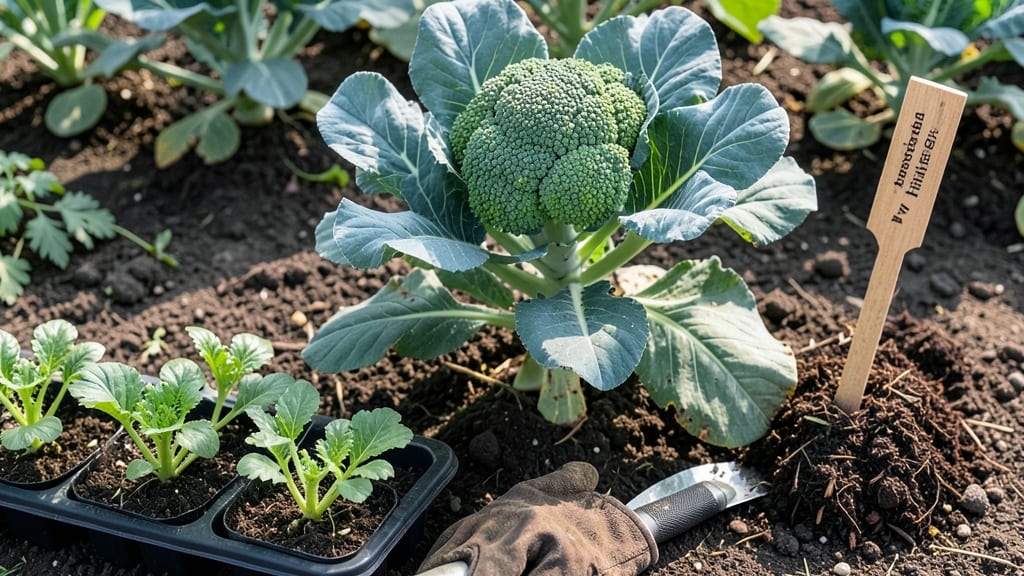
Planting broccoli in North Texas at the right time means the difference between a bountiful harvest and a sad, wilted disappointment.
North Texas gardeners know timing is everything—plant broccoli too early, and frost ruins your crop; too late, and scorching summer heat sends your plants bolting. Mastering the frost-free window and heat escape tricks can mean the difference between a thriving harvest and wasted effort.
With USDA Zones 7b-8a and unpredictable weather, your best bets are late August to early September for fall planting or February to early March for spring.
These windows give your 🥦 broccoli enough time to mature before the first frost hits in mid-November or the summer heat peaks above 85°F.
In this guide, I’ll walk you through the exact frost dates for your area, how to protect your plants from heat stress, and even container gardening tips for urban gardeners.
By the end, you’ll know exactly when to get those seeds in the ground for a plentiful harvest—no guesswork required.
North Texas broccoli planting calendar: frost dates & ideal timing
North Texas gardeners face a unique challenge when growing broccoli: our hot summers and variable winters demand precise timing. The key is planting 4-6 weeks before the first frost to ensure mature heads before cold snaps hit.
In USDA Zones 8a/8b, this means two critical windows: late summer for fall harvests and early spring for spring crops.
First, let's tackle the frost dates that define your planting schedule. The average first frost in North Texas typically arrives around November 15, while the last frost usually occurs near March 15.
These dates create a 210-day frost-free window, giving you just enough time to grow cool-season crops like broccoli successfully.
Here's the summary-table breaking down your planting timeline by region, including Dallas-Fort Worth, Waco, and Abilene:
| Region | First Frost | Last Frost | Fall Planting Window | Spring Planting Window | Soil Temp Requirement |
|---|---|---|---|---|---|
| Dallas-Fort Worth (Zone 8a) | Nov 10-15 | Mar 10-15 | Aug 20 - Sep 10 | Feb 15 - Mar 5 | 45-55°F |
| Waco (Zone 8a) | Nov 12-17 | Mar 12-17 | Aug 25 - Sep 12 | Feb 20 - Mar 7 | 45-55°F |
| Abilene (Zone 8b) | Nov 5-10 | Mar 5-10 | Aug 15 - Sep 5 | Feb 10 - Feb 25 | 45-55°F |
For fall broccoli, aim to plant 4-6 weeks before your local first frost date. This means late August to early September in most of North Texas. Your seedlings need time to establish roots and grow into mature plants capable of producing heads before temperatures drop below 32°F.
If you're in Abilene (Zone 8b), you can start slightly earlier due to slightly warmer microclimates.
Spring planting follows a similar logic but works backward from your last frost date. In Dallas-Fort Worth, this means planting between February 15 and March 5 to ensure harvests occur before summer heat arrives.
The soil temperature must reach at least 45°F for seeds to germinate properly, and ideally, you want it closer to 55°F for optimal growth.
One common mistake is planting too late in spring, which can lead to bolting (when plants flower prematurely) due to rising temperatures. To avoid this, always check your soil temperature with a thermometer before planting.
If temperatures exceed 85°F, broccoli will struggle to form heads and may bolt within weeks.
For urban gardeners or those with limited space, consider starting broccoli indoors using grow lights 4-6 weeks before your outdoor planting date. This gives you a head start on the season and helps you maximize your small garden space.
Once seedlings reach 3-4 inches tall and have 2-3 true leaves, they're ready to transplant outdoors.
Remember, broccoli thrives in cool weather but can tolerate light frosts once established. If you're in a microclimate that stays warmer (like near a building or paved area), you may need to adjust your planting dates slightly later to avoid heat stress.
Always monitor your local weather forecasts and be prepared to protect young plants with row covers if frost threatens early.
Finally, don't forget that broccoli is a cool-season crop that benefits from consistent moisture. After planting, maintain 1-1.5 inches of water per week, focusing on deep watering at the base of plants rather than frequent shallow watering.
This helps prevent disease pressure and ensures steady growth toward that harvest-ready head.
Heat escape tricks: how to grow broccoli in North Texas summers
North Texas summers can be brutal for broccoli lovers, but with the right heat escape strategies, you can still enjoy a bountiful harvest. The key is to outsmart the heat by using shade, timing, and heat-tolerant varieties.
When temperatures climb above 85°F, broccoli plants bolt—turning all their energy into flowers instead of those prized green heads.
I’ve grown broccoli in 100°F+ summers using these tricks, and they work. Start by selecting north-facing garden beds or raised beds that stay cooler. These spots get less direct sunlight and retain moisture better.
Pair this with succession planting—sowing small batches every 2-3 weeks—to stagger your harvest and avoid losing everything at once.
- 1
- 2
- 3
- 4
- 5
Don’t overlook the power of microclimates in your yard. Areas near fences, buildings, or under trees can stay 5-10°F cooler than open spaces. I once grew broccoli successfully in a shady corner near my garage, where temperatures were 10°F lower than the rest of the garden.
Test different spots with a soil thermometer to find the coolest areas.
Finally, avoid fertilizing during peak heat. Broccoli needs balanced nutrients, but high nitrogen in hot weather leads to leafy growth and no heads. Switch to a low-nitrogen fertilizer (like 5-5-5) in September to support head formation as temperatures drop.
With these tricks, I’ve harvested broccoli in North Texas summers when my neighbors gave up. The secret? Staying cool, patient, and strategic. Your garden can beat the heat too! 🥦🌿