
Plants
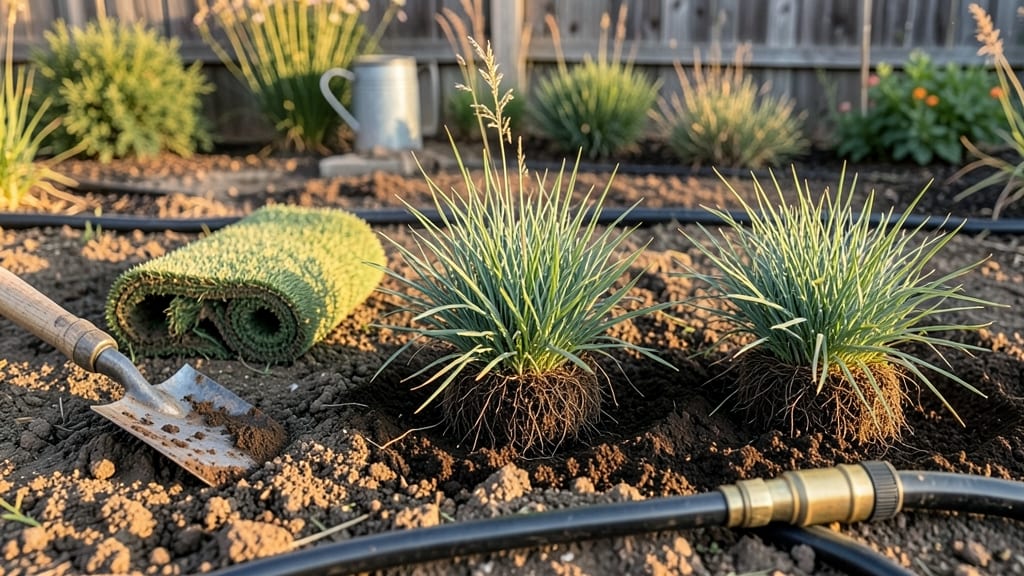
Planting buffalo grass in Kansas at the right time—between late spring and early fall—makes all the difference for a thick, drought-resistant lawn 🌱.
Kansas’ harsh winters and scorching summers demand precise timing when planting buffalo grass—but getting it wrong can mean shallow roots and poor drought resistance.
Most gardeners in USDA zones 5b-7a swear by late spring planting (May-June), when soil temperatures hit 60°F and stay there. But fall planting (September) can be just as effective, giving roots time to establish before winter.
Below, I’ll break down the best windows for your region, how to prep Kansas soil for success, and what to watch for if your timing goes off track.
Best time to plant buffalo grass in Kansas: spring vs fall comparison
Kansas’ extreme temperature swings and drought-prone summers make timing critical for buffalo grass success. Planting too early risks frost damage, while late planting leaves roots vulnerable to summer heat.
The ideal window depends on whether you choose late spring or early fall—each with distinct advantages for Kansas’ USDA zones 5b-7a.
Western Kansas (drier climate) often benefits from fall planting to establish roots before winter, while eastern Kansas (more moisture) can handle late spring planting. Both methods work, but soil temperatures and moisture availability are the deciding factors. Let’s break down the pros, cons, and Kansas-specific tips for each season.
🌱 Comparison Table: Spring vs Fall Planting for Buffalo Grass in Kansas
| Factor | Spring Planting (May-June) | Fall Planting (August-September) |
|---|---|---|
| Optimal Soil Temp | 60°F+ (after last frost) | 50-60°F (before first frost) |
| Root Establishment | Fast growth but shallow if drought hits | Deep roots before winter dormancy |
| Watering Needs | High (weekly until established) | Moderate (bi-weekly) |
| Drought Risk | High (summer heat stress) | Low (roots establish before dry spells) |
| Frost Sensitivity | Low (post-frost timing) | Moderate (early frost can damage seedlings) |
| Best For Kansas Region | Eastern Kansas (more moisture) | Western Kansas (drier climate) |
For spring planting, aim for late May to early June after the last frost date (typically April 15 in most of Kansas). Soil temperatures must reach at least 60°F for germination.
This window gives buffalo grass 6-8 weeks of warm weather to establish roots before summer drought stress peaks. However, western Kansas may face earlier dry spells, so monitor soil moisture closely.
If you prefer fall planting, late August to mid-September is ideal. This timing allows roots to grow 4-6 weeks before winter dormancy, creating a stronger lawn. Fall-planted buffalo grass also avoids summer heat stress and benefits from cooler temperatures and higher humidity, which reduce evaporation.
Eastern Kansas can push planting slightly later (into early October), but avoid planting after October 15 to prevent frost damage.
Regional microclimates matter: Wichita and western Kansas should prioritize fall planting due to lower rainfall and hotter summers, while Topeka and eastern Kansas can succeed with spring planting thanks to higher humidity and moderate summer rains.
Test your soil’s moisture retention—buffalo grass struggles in sandy soils during summer droughts, regardless of planting season.
One critical mistake Kansas gardeners make is planting buffalo grass in early spring (March-April). Cool soil temperatures slow germination, and seedlings may not survive if a late frost hits. Similarly, planting too late in fall (after October 1) risks weak root systems before winter.
Use a soil thermometer to confirm temperatures meet the 60°F minimum for spring or 50-60°F range for fall.
Pro tip: Mulch lightly after planting to retain moisture without smothering seedlings. In spring, use straw mulch; in fall, grass clippings work well. Avoid heavy mulch layers—buffalo grass needs direct sunlight for photosynthesis.
Water deeply 2-3 times per week until germination (about 10-14 days), then taper to weekly deep watering once established.
Remember, buffalo grass is drought-tolerant once established, but seedlings need consistent moisture. If you’re in western Kansas, consider fall planting with supplemental irrigation to ensure survival through winter.
For eastern Kansas, spring planting offers a longer growing season, but avoid planting after June 15 to prevent summer heat stress.
🌿 Whether you choose spring or fall, the key is timing soil temperatures and regional climate patterns. Both seasons work—just adapt your watering and mulching strategies to Kansas’ variable conditions. Start with a small test patch to refine your approach before committing to a full lawn.
How to prepare Kansas soil for buffalo grass planting in spring or fall
Kansas’ clay-heavy soils and extreme temperature swings create unique challenges for buffalo grass growth. Proper soil preparation ensures deep root establishment and drought resilience. Whether planting in late spring or early fall, follow these steps to create an ideal seedbed for your native grass.
Buffalo grass thrives in well-draining soil with a pH between 6.0 and 7.5. Kansas’ natural alkalinity often requires adjustments. Start by testing your soil’s pH and compaction levels at least 4-6 weeks before planting.
This gives you time to amend heavy clay soils and avoid poor seed-to-soil contact, a common mistake that leads to patchy germination.
⚠️ callout-warning
Spring planting must occur after May 15 when soil temps reach 60°F+. Fall planting should finish by September 15 to allow 4-6 weeks of root growth before frost. Late spring planting risks summer drought stress, while late fall planting leaves roots vulnerable to winter freeze-thaw cycles.
Begin by removing existing vegetation and debris to create a clean planting surface. Rent a rototiller to break up compacted clay layers down to 6 inches deep. For large areas, consider a soil aerator to improve drainage.
If your soil tests too alkaline (pH 7.6+), mix in sulfur or peat moss at a rate of 1 pound per 100 square feet to lower the pH gradually over 4-6 weeks.
Incorporate 2-3 inches of compost or well-rotted manure into the top 4 inches of soil. This adds essential organic matter that Kansas’ clay soils often lack. For sandy areas, blend in 1 part compost to 3 parts native soil to improve moisture retention.
Avoid fresh manure, which can burn seeds due to high ammonia levels.
Level the soil surface with a rake, creating a fine seedbed with minimal clumps. For clay soils, add a 1-inch layer of coarse sand to improve drainage before raking. Lightly firm the surface with a roller or board to ensure consistent seed-to-soil contact.
This step is critical—buffalo grass seeds are tiny and need firm, even contact to germinate properly.
Apply a starter fertilizer with low nitrogen (5-10-10 ratio) at half strength to provide immediate nutrients without encouraging top growth over root development. Water the prepared bed thoroughly until moisture reaches 6 inches deep.
For spring planting, maintain consistent moisture until germination (typically 10-21 days), while fall-planted seeds benefit from natural rainfall during establishment.
After planting, spread a thin layer of straw mulch (¼ inch) to protect seeds from wind and erosion. Avoid heavy mulch, which can smother emerging seedlings. Monitor soil moisture weekly—buffalo grass seeds need consistent moisture but can’t tolerate soggy conditions.
With proper prep, your Kansas buffalo grass will establish deep roots capable of surviving summer droughts and winter freezes.