
Plants
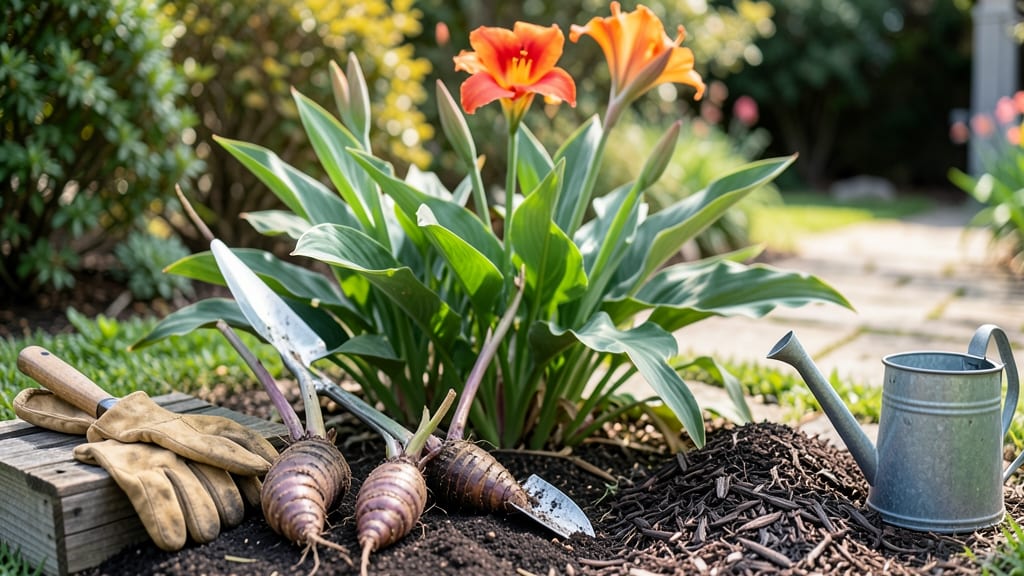
Planting cannas in Zone 7 after the last frost — typically between late April and early June — unlocks months of bold, tropical color 🌺.
Zone 7 gardeners know the struggle—plant cannas too early, and frost zaps your vibrant blooms; too late, and you miss peak summer color. Timing these tropical beauties right ensures months of dramatic foliage and fiery flowers.
This isn’t just about dates—soil temperature, tuber readiness, and even your microclimate (coastal vs. inland) can shift the ideal window by weeks. I’ll break down the exact factors to watch, plus how to prep your soil and care for them once they’re in the ground.
By the end, you’ll know the best time to plant for your specific corner of Zone 7, plus how to keep your cannas thriving all summer long.
Optimal planting timeline for cannas in Zone 7 (with frost-free guarantee)
Cannas thrive in Zone 7's warm summers, but timing is everything. Plant too early, and a late frost can kill tender tubers. Too late, and you miss months of vibrant blooms.
The last frost date in Zone 7 typically falls between April 15 and May 15, but soil temperature is the real deciding factor. Cannas need soil that's consistently 60°F or warmer before transplanting.
Zone 7 spans two sub-zones: 7a (0-5°F colder) and 7b (5-10°F warmer). In 7a, wait until May 1 to be safe, while 7b gardeners can start as early as late April.
Coastal areas may have milder microclimates, allowing earlier planting, but inland regions should err on the side of caution.
Here's your week-by-week planting guide for Zone 7 cannas, accounting for tuber readiness and frost risks:
| Week | Zone 7a Action | Zone 7b Action | Soil Temp | Risk |
|---|---|---|---|---|
| Late April | Prep soil, wait | Start planting | 55-60°F | Frost risk |
| Early May | Test soil temp, prep beds | Plant tubers | 60-65°F | Low |
| Mid-May | Plant tubers | Plant tubers | 65-70°F | None |
| Late May | Mulch, water deeply | Mulch, water deeply | 70-75°F | None |
| Early June | Fertilize, stake if needed | Fertilize, stake if needed | 75°F+ | None |
For Zone 7a gardeners, always check your local frost-free date using the National Weather Service or USDA Plant Hardiness Map. Inland areas like Lexington, KY or Chattanooga, TN often experience later frosts, while coastal Savannah, GA may be safe to plant by early May.
Prepare your canna tubers 2-4 weeks before planting by soaking them in lukewarm water for 24 hours. This jumpstarts growth and helps identify healthy tubers (sink) vs rotten ones (float).
Plant 2-4 inches deep with the eyes facing upward, spacing them 12-18 inches apart for dwarf varieties or 24 inches apart for standard-sized cannas.
If you're planting in containers, use pots at least 12 inches deep with drainage holes. Container cannas dry out faster, so monitor soil moisture closely. Add compost or well-rotted manure to the planting hole to give your cannas a nutrient boost for their first 6-8 weeks of growth.
After planting, mulch with 2-3 inches of organic mulch (straw or shredded leaves) to retain moisture and regulate soil temperature. This is especially critical in Zone 7b, where summer heat can cause soil to dry out quickly.
Water deeply 2-3 times per week until established, then reduce to once weekly once shoots appear.
Watch for new shoots to emerge in 4-6 weeks. If planted in late May, you'll see blooms by mid-July, giving you 3-4 months of vibrant color before frost. In Zone 7a, expect slightly
5 Critical factors that determine your exact planting window
Planting cannas in Zone 7 isn't just about checking a calendar—it's about understanding your garden's unique conditions. While the general rule is to wait until after the last frost (typically mid-April to mid-May), your exact window can shift by 2-4 weeks based on local factors.
Ignoring these can mean frost damage or missed blooms, so let's break down what truly matters.
First, your microclimate plays a huge role. A spot near a heat-retaining wall or large body of water might warm up faster than the official frost date suggests. Meanwhile, valleys or shaded areas can stay colder longer.
I've seen cannas thrive in early May in sunny urban gardens while nearby rural spots needed to wait until mid-June.
- 1 Soil Temperature: Cannas need 60°F+ soil to sprout. Use a soil thermometer—planting when soil hits 65°F gives your tubers the best start. In Zone 7a, this often means waiting until late May compared to early May in 7b.
- 2 Tuber Size Matters: Large 3"+ tubers sprout faster than small 1"-2" ones. I've planted giant tubers in early May with success, while tiny ones needed to wait until mid-June. Measure yours—it's your secret weapon for timing!
- 3 Container vs Ground: Potted cannas warm up 2-3 weeks faster than in-ground plants. If using containers, you can plant 3 weeks earlier since they heat up quicker. Black pots accelerate warming—my black fabric pots hit 60°F by late April while regular clay pots lagged.
- 4 Local Weather Patterns: Check your 10-year frost records—some Zone 7 areas have late frosts in June! I track NOAA climate data for my area and adjust planting dates accordingly. Heat waves can also stress young plants, so avoid planting during 90°F+ stretches.
-
5
Zone 7 Mistakes to Avoid:
- Planting before soil warms (tubers rot at 50°F)
- Skipping mulch in 7a (protects from late frosts)
- Overcrowding tubers (space 12-18" apart for airflow)
Don't let Zone 7's variability catch you off guard. For example, Atlanta (7b) typically plants cannas by mid-April, while Charlottesville (7a) waits until mid-May. I always test soil temperature for 3 consecutive days above 60°F before planting—this simple step has saved my cannas from fungal rot multiple times.
Pro tip: Use row covers for 2-3 weeks after planting if late frosts are forecasted. I've extended my Zone 7a planting window by 3 weeks this way, giving my cannas a head start without risking frost damage.
The key is balancing warmth and protection—just like layering clothes for a spring day.
Remember, cannas are tropical plants masquerading in Zone 7. They reward precise timing with 6-foot-tall drama and summer-long blooms. Get these factors right, and you'll enjoy months of fiery color instead of wilting disappointment. 🌺