
Plants
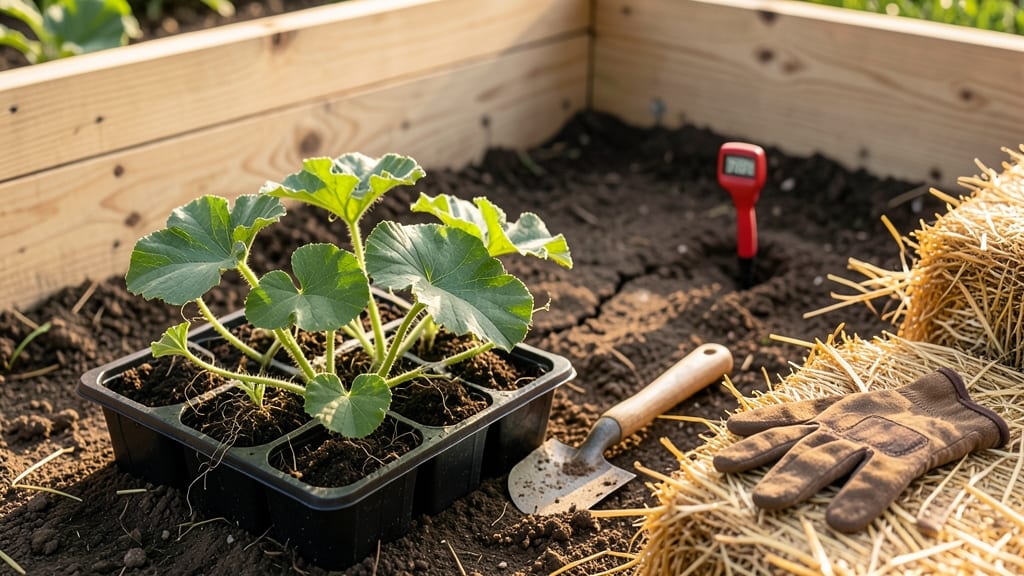
Plant cantaloupe in Alabama when soil temperatures hit 70°F or warmer—typically between mid-April and early June, depending on your county’s last frost date.
Alabama’s warm climate makes cantaloupe a perfect summer crop—but planting too early or late can mean the difference between a bountiful harvest and wasted effort. Timing is everything when it comes to soil temperatures, frost risks, and maximizing sweet melon yields.
Most gardeners in Zones 7a-8b wait until after the last frost (usually March 15 or later) to sow seeds directly into the ground, though starting them indoors a month earlier can give you a head start in cooler areas like Birmingham.
Below, I’ll break down the exact planting windows by region, soil prep tips to speed up warmth, and how to avoid common mistakes that rob Alabama growers of their best cantaloupe yields.
Alabama’s ideal cantaloupe planting dates by soil temperature & frost zones
Alabama’s warm climate and long growing season make it perfect for cantaloupe, but timing is critical to avoid frost damage or poor fruit development.
Unlike northern states, Alabama’s USDA Zones 7a-8b allow for earlier planting, but soil temperature and microclimates vary significantly between urban and rural areas. Birmingham’s cooler nights may delay planting by weeks compared to Mobile’s coastal warmth.
Cantaloupes thrive when soil temperatures reach at least 60°F, but for optimal germination, wait until 70°F+.
In Alabama, this typically aligns with mid-April to early June, depending on your location. Urban areas like Montgomery often see frost risks lingering until April 15, while rural southern regions near Mobile can plant as early as March 20.
Soil temperature is your best guide—use a soil thermometer to confirm readiness. Black plastic mulch can accelerate warming by 10-15°F, extending your planting window in cooler zones. For Birmingham gardeners, this means planting late April to early May, while Mobile gardeners can start as early as mid-March.
Here’s a quick reference for Alabama’s frost-free deadlines and ideal planting windows by region:
| Region | Last Frost Date | Ideal Planting Window | Soil Temp Threshold | Notes |
|---|---|---|---|---|
| North Alabama (Huntsville) | April 5-15 | Late April - Early May | 70°F+ | Use black plastic mulch |
| Central Alabama (Birmingham) | March 25 - April 5 | Late April - Early June | 65°F+ | Urban areas may need row covers |
| South Alabama (Mobile) | March 10-20 | Mid-March - Early June | 60°F+ | Coastal warmth extends season |
| Montgomery | April 1-10 | Late April - Early May | 68°F+ | Dry climate; mulch heavily |
| Dothan | March 15-25 | Early April - Late May | 62°F+ | Longer growing season |
For direct sowing, Alabama gardeners should aim for mid-April to early June, but transplants can be set out slightly earlier if soil is warm enough. Mobile gardeners can even start indoor seedlings in late February for an earlier harvest, while northern Alabama gardeners should wait until after April 15 to avoid frost.
If you’re in Zone 7a (like Huntsville), consider using row covers or cold frames to extend your season. Zone 8b areas (like Mobile) can push planting into early June for a fall harvest, though fruit may be smaller.
Always monitor 7-day forecasts for unexpected cold snaps, especially in transition zones like Birmingham.
Pro tip: Test soil temperature at 6 inches deep in the morning—this is the sweet spot for cantaloupe roots.
If temperatures dip below 55°F, germination slows dramatically, and seeds may rot. Black plastic mulch can add 10-15°F of warmth, making it a game-changer for late April plantings in cooler regions.
Remember, cantaloupes need 70-85 days to mature, so plan your planting window to ensure harvests align with Alabama’s summer heat. July and August are peak harvest months, but a June planting in Mobile could yield fruit as late as September.
Adjust spacing and trellising based on your region—rural areas with more space can plant denser rows, while urban gardeners may need to stagger plantings.
For container growing, start seeds 4-6 weeks before your last frost date and use 5-gallon pots with excellent drainage. Urban gardeners in Montgomery can begin container plantings in late April, while Birmingham’s cooler microclimate may require waiting until mid-May. Always choose disease-resistant varieties like ‘Athena’ or <
Step-by-step guide to preparing Alabama soil for cantaloupe success
Alabama’s clay-heavy soils can pose challenges for cantaloupe growth, but with the right prep, you can create an ideal environment for sweet, juicy fruit. The key lies in amending soil texture, balancing pH levels, and improving drainage to prevent root rot.
Let’s break down my proven soil prep routine for cantaloupe success in the South.
First, test your soil pH—cantaloupes thrive in a range of 6.0 to 6.8. Alabama’s native soils often lean acidic, so you may need to add lime (for pH above 6.8) or sulfur (for pH below 6.0).
I recommend using a soil test kit from your local Alabama Cooperative Extension office for precise results.
Step-by-Step Soil Prep for Cantaloupe
- 1 Clear the planting area and remove weeds or debris. Loosen compacted clay soil with a garden fork to a depth of 12 inches. This improves root penetration and water absorption.
- 2 Amend with organic matter: Mix in 3-4 inches of compost or well-rotted manure. For heavy clay, add sand or perlite (25% of the soil volume) to improve drainage without suffocating roots.
- 3 Adjust pH levels using pelletized lime (for alkaline correction) or elemental sulfur (for acidity). Apply according to test results, then water thoroughly to activate amendments.
- 4 Create raised beds or mounds if drainage is poor. Elevate soil 6-12 inches above ground level to prevent waterlogging. This mimics Alabama’s natural sandy loam conditions.
- 5 Plant companion crops like marigolds (to deter pests) or basil (to improve flavor). Avoid planting near potatoes or squash, which compete for nutrients.
- 6 Mulch with straw or black plastic. Plastic mulch warms soil faster (critical in Alabama’s early spring) and suppresses weeds, while straw retains moisture and regulates temperature.
After prepping your soil, plant cantaloupe seeds when soil temperatures reach 70°F or higher—typically mid-April to early June in Alabama. Use black plastic mulch to accelerate soil warming if needed. For extra pest control, interplant with nasturtiums, which act as trap crops for aphids.
Once your cantaloupes are established, maintain consistent moisture (1-2 inches per week) and avoid overhead watering to prevent powdery mildew. With these soil prep steps, you’ll set the stage for sweet, disease-resistant cantaloupes that thrive in Alabama’s heat and humidity.