
How To
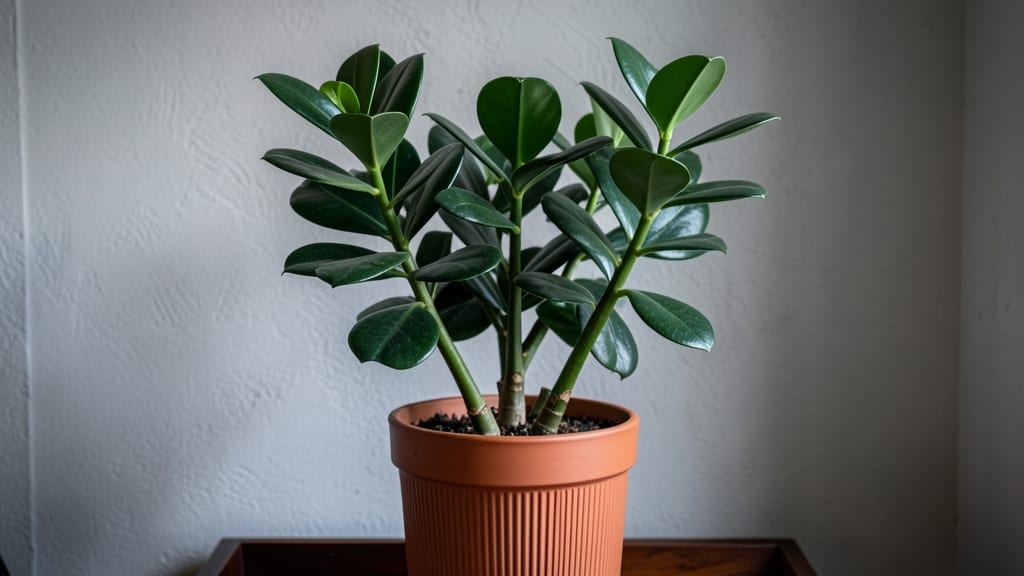
A ZZ plant needs bright indirect light to thrive, but it can also survive in low-light conditions—making it one of the most forgiving houseplants around.
Struggling to keep your ZZ plant alive despite your best efforts? The answer might be hiding in its light needs—too little or too much can turn your thriving plant into a sad, leggy shadow of itself.
Unlike fussy plants that demand perfect lighting, the ZZ plant 🌿 is built to handle shady corners and even dim offices. But if you want it to grow lush and vibrant, a spot near a north-facing window or under a grow light is ideal.
In this guide, I’ll break down exactly how much light your ZZ plant needs, how to spot signs of over- or under-exposure, and where to place it for the best results—whether you’re in a sun-drenched living room or a dimly lit workspace.

Ideal light requirements for a healthy ZZ plant
The ZZ plant (Zamioculcas zamiifolia) is one of the most resilient houseplants, thriving where others fail—but its light needs are often misunderstood. Unlike sun-loving plants, ZZ plants adapt to low-light conditions but truly flourish with bright indirect light.
Finding that sweet spot means your plant stays lush, not leggy or weak.
I’ve seen ZZ plants survive in dim offices and struggle in harsh direct sunlight. The key is understanding their light tolerance range—from fluorescent office lighting to morning sun near a north-facing window. Let’s break down exactly how much light your ZZ plant needs to stay happy and healthy.
ZZ plants thrive with 2–4 hours of indirect light daily. Place yours 2–3 feet from a north-facing window for the perfect balance. If your home lacks natural light, grow lights (like LED bulbs) work wonders—just keep them 12–18 inches away to mimic natural conditions.
In low-light conditions, ZZ plants slow growth but won’t die. However, they’ll stretch toward light, creating long, weak stems. Rotate your plant every few weeks to encourage even growth and prevent lopsided leaves.
If your ZZ plant gets too much direct sunlight, its leaves may develop brown tips or crispy edges. Move it to a shadier spot immediately—preferably near a window with sheer curtains to diffuse harsh rays.
For office environments, ZZ plants are ideal. They thrive under fluorescent lighting, making them perfect for cubicles or home offices. Just avoid placing them directly under harsh overhead lights, which can dry out the soil too quickly.
Seasonal changes affect light exposure. In winter, shorter days mean less natural light—supplement with a grow light if your plant starts looking pale. Conversely, in summer, filter direct sun with curtains to prevent leaf scorch.
Pro tip: Check your ZZ plant’s leaves for clues. Deep green, glossy leaves mean it’s happy. Yellowing or dull leaves signal overwatering or poor light. Adjust placement and watering habits accordingly.
ZZ plants are forgiving, but optimal light exposure keeps them lush and vibrant. Experiment with placement—your plant will thank you with bold foliage and steady growth all year round. 🌿
Signs your ZZ plant isn’t getting the right light exposure
Your ZZ plant (Zamioculcas zamiifolia) might look tough, but even it struggles when light conditions are off. Leggy stems, pale leaves, or crispy edges are classic signs your plant isn’t happy with its current spot. The good news? These issues are usually reversible with simple adjustments.
ZZ plants thrive in bright indirect light, but they’re famously adaptable. Too little light causes stunted growth, while too much direct sun can scorch those glossy leaves. The key is finding that sweet spot where your plant gets enough light to grow without burning out.
⚠️ CALL OUT: WARNING SIGNS YOU’RE IGNORING
🌱 Under-Exposure: Long, bare stems with sparse leaves signal low light. Rotate your plant weekly to ensure even growth and consider a grow light if natural light is limited.
⚠️ Yellowing Leaves: This could mean overwatering (due to poor light slowing evaporation) or nutrient deficiency. Let soil dry completely between waterings and fertilize lightly in spring.
Start by checking your plant’s leaf color. Healthy ZZ leaves are deep green and glossy. If they’re dull or yellowing, it’s a red flag. Even the stems tell a story—thick, sturdy stems mean your plant is content, while thin, stretched-out ones scream for more light.
Don’t overlook the soil either. In low light, ZZ plants store less water in their rhizomes, making them more susceptible to root rot. Always test soil moisture with your finger before watering—if the top 2 inches are dry, it’s time to hydrate.
Pro tip: Place your ZZ plant near a north-facing window for the best balance of indirect light. If that’s not an option, a west-facing spot with filtered light works too. Avoid south-facing windows during peak sun hours (10 AM–4 PM) to prevent leaf scorch.
With these adjustments, your ZZ plant will bounce back in 4–6 weeks. Keep an eye on its progress, and don’t hesitate to tweak its spot if you notice new stress signs. A happy ZZ plant is a resilient one! 🌿