
How To
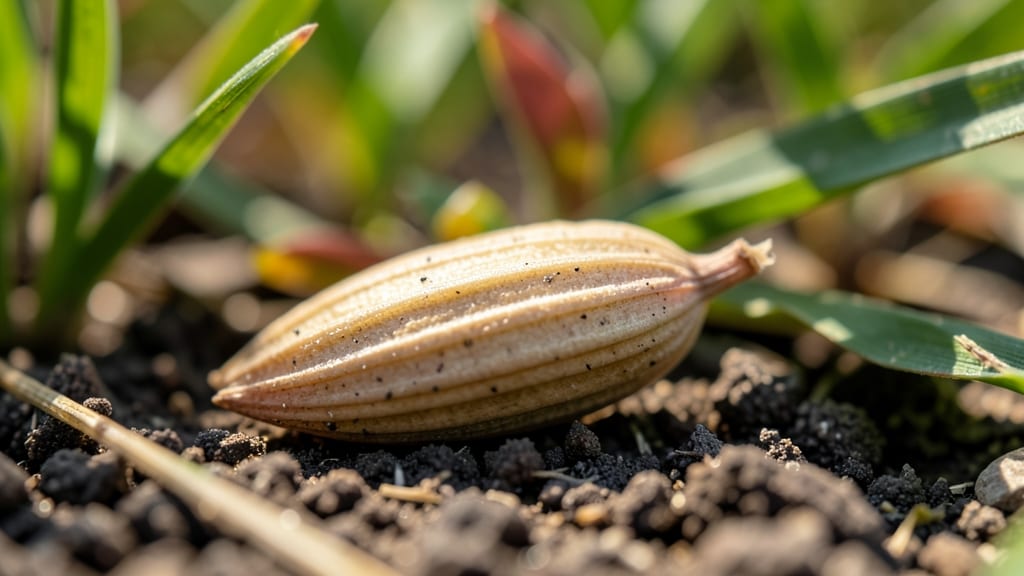
Planting centipede grass seed in Florida at the right time ensures fast germination and a lush lawn with minimal effort—aim for late spring to early summer when soil temperatures hit 75°F+.
Miss that window, and you risk slow growth or even failure. The heat and humidity in Florida demand precision, but getting it right means a drought-resistant lawn that thrives with little extra care.
Below, I break down the best months for your region, soil prep tips, and how to adjust for Florida’s unpredictable rainfall. No more guesswork—just a faster, stronger start.
You’ll learn how to check soil temps, when to mulch for moisture, and why late summer can still work in some areas. Let’s get that seed in the ground the right way.
Optimal Florida planting windows for centipede grass seed by month (soil temp & rainfall guide)
Florida’s warm climate makes centipede grass a top choice for low-maintenance lawns, but timing your planting is everything. Unlike northern states, Florida’s frost-free growing season and humidity fluctuations create distinct planting windows by region.
Plant too early, and you risk seed rot from excess moisture; too late, and drought stress stunts germination. The sweet spot? Late spring to early summer when soil temps hit 75°F+ and rainfall patterns support steady moisture.
I’ve planted centipede grass across North, Central, and South Florida, and the differences are striking. In North Florida (USDA Zones 8a-8b), cooler winters mean you can start as early as mid-April, while South Florida (Zones 10a-11) demands June-July planting to avoid summer’s brutal heat.
Central Florida falls in between, with May-June being ideal. Let’s break down the best months, soil conditions, and rainfall strategies for each zone to maximize your success.
Soil temperature is your first clue—centipede grass seeds need consistent warmth to germinate. Use a soil thermometer to confirm temps are 75°F or higher at a 2-inch depth. In Florida, this typically aligns with late May to early July, but coastal areas may shift 1-2 weeks later due to ocean breezes cooling the soil. Rainfall also plays a critical role: 1-2 inches of rain per week is ideal, but too much can drown seeds, while too little leads to crusting.
Here’s how Florida’s three main regions differ in their optimal planting windows, including soil prep tips and rainfall adjustments:
| Region | Best Planting Months | Soil Temp Threshold | Rainfall Needs | Adjustments for Early/Late Planting |
|---|---|---|---|---|
| North Florida (Zones 8a-8b) | Mid-April to early June | 75°F+ (late April) | 1-1.5" weekly (spring rains) | Early: Risk of fungal diseases; use starter fertilizer to boost growth. Late: Mulch seeds to retain moisture. |
| Central Florida (Zones 9a-9b) | Late May to early July | 75°F+ (early May) | 1-2" weekly (summer storms) | Early: Shade cloth if temps spike. Late: Irrigation schedule every 3 days until germination. |
| South Florida (Zones 10a-11) | June to early August | 75°F+ (May-June) | 2" weekly (humid, but dry spells occur) | Early: Avoid—heat stress kills seeds. Late: Deep watering at dusk to prevent evaporation. |
For North Florida, I recommend starting in mid-April if your soil warms early, but be prepared to cover seeds with straw mulch to prevent crusting from spring rains.
In Central Florida, late May is your best bet—this gives seeds time to germinate before the dog days of summer hit.
If you’re in South Florida, wait until June to avoid heat stress, and consider drip irrigation to deliver consistent moisture without wetting the foliage (which can invite fungal issues).
Rainfall is a wildcard in Florida, and droughts can sneak up even in the wettest months. I’ve seen June in South Florida go from torential downpours to three weeks of dry heat—so always have a backup irrigation plan.
If natural rainfall drops below 1 inch per week, supplement with 1-2 inches of water applied early in the morning to reduce evaporation. A soaker hose or drip system works best, as it delivers water slowly and directly to the soil, avoiding wasteful runoff.
One mistake I see often is planting too late in the season. By August, Florida’s heat and humidity can stress young seedlings, leading to yellowing or stunted growth.
If you miss the ideal window, consider sod instead of seed, as established centipede grass handles heat better and establishes faster. For seed, late July is the absolute latest I’d recommend, but only in North Florida—even then, expect slower germination and more maintenance.
Pro tip: Test your soil pH before planting—centipede grass thrives in acidic soil (5.0–6.0). If your soil is alkaline (pH 7.0+), amend it with sulfur or peat moss 4-6 weeks before planting.
I’ve also found that lightly raking the soil to a ¼-inch depth before seeding improves seed-to-soil contact, which is critical for consistent germination in Florida’s sandy soils. After planting, keep the seedbed mo
Centipede grass seed germination checklist: 5 critical factors for fast sprouting in Florida’s heat
Florida’s heat and humidity can turn centipede grass seed into a frustrating gamble if you don’t prepare properly. The key to fast germination lies in 5 critical factors that create the perfect conditions for your seeds to sprout within 10–14 days.
Skipping any step—like improper soil pH or moisture control—can leave you staring at bare soil for weeks. Let’s break down what you must do before planting to ensure those tiny seeds transform into a lush, green lawn.
First, Florida’s soil pH is non-negotiable for centipede grass. This grass thrives in acidic soil with a pH between 5.0 and 6.0.
If your soil tests higher, the seeds won’t germinate efficiently, and your lawn will struggle to establish. Test your soil at least 2 weeks before planting—this gives you time to amend it with sulfur or peat moss if needed.
Don’t guess; a simple soil test kit from your local garden center will save you headaches later.
Next, let’s talk about seed depth, a tiny detail that makes a huge difference. Plant your centipede grass seeds no deeper than ¼ inch. Any deeper, and they’ll struggle to push through the soil, especially in Florida’s dense, warm earth.
Use a light rake to create a fine, even seedbed, then gently press the seeds into place. Think of it like tucking them into a cozy blanket—just enough coverage to protect them without smothering their growth.
- Test soil pH (aim for 5.0–6.0); amend with sulfur or peat moss if needed.
- Plant seeds ¼ inch deep—no deeper—to ensure quick germination in Florida’s heat.
- Mulch lightly with straw to retain moisture and prevent soil crusting during dry spells.
- Water deeply twice daily (morning and late afternoon) for the first 2 weeks to keep soil consistently moist.
- Avoid fungal risks by watering at soil level (not overhead) and ensuring good airflow around seeds.
Moisture is where many gardeners trip up, especially in Florida’s unpredictable rain patterns. Centipede grass seeds need consistent moisture to germinate, but they’ll rot if overwatered. The trick is to water deeply twice daily—once in the morning and again in the late afternoon—for the first 2 weeks after planting.
Use a soaker hose or drip irrigation to deliver water directly to the soil, avoiding overhead sprinklers that can wash seeds away or promote fungal growth. Think of it like giving your seeds a daily shower, not a monsoon.
Florida’s humidity also means you’re battling soil crusting and fungal diseases before your seeds even sprout. To prevent a hard crust from forming on the soil surface, apply a light layer of straw mulch (about ¼ inch thick) after planting.
This mulch keeps the soil loose, retains moisture, and shields seeds from the scorching sun. Plus, it acts as a natural barrier against fungal spores that thrive in Florida’s damp air. Just avoid piling mulch too thickly—you want to let sunlight reach the soil while still protecting those delicate seeds.
Finally, don’t overlook the post-planting care that keeps your centipede grass on track. Once seeds sprout (usually within 10–14 days), reduce watering to once daily and gradually taper off as the grass establishes.
Avoid mowing until the grass reaches 3–4 inches tall, and never cut more than ⅓ of the blade height at a time. This grass is tough once mature, but young seedlings need gentle treatment to avoid stress.
With these steps, you’ll be rewarded with a dense, drought-resistant lawn that thrives in Florida’s climate.
With these 5 critical factors in place, your centipede grass seeds will germinate faster and stronger, giving you the head start you need to outpace Florida’s heat and humidity.
Don’t let the wrong timing or poor prep turn your lawn dreams into a soggy mess—follow this checklist, and you’ll be enjoying a lush, green carpet in no time. 🌱