
Plants
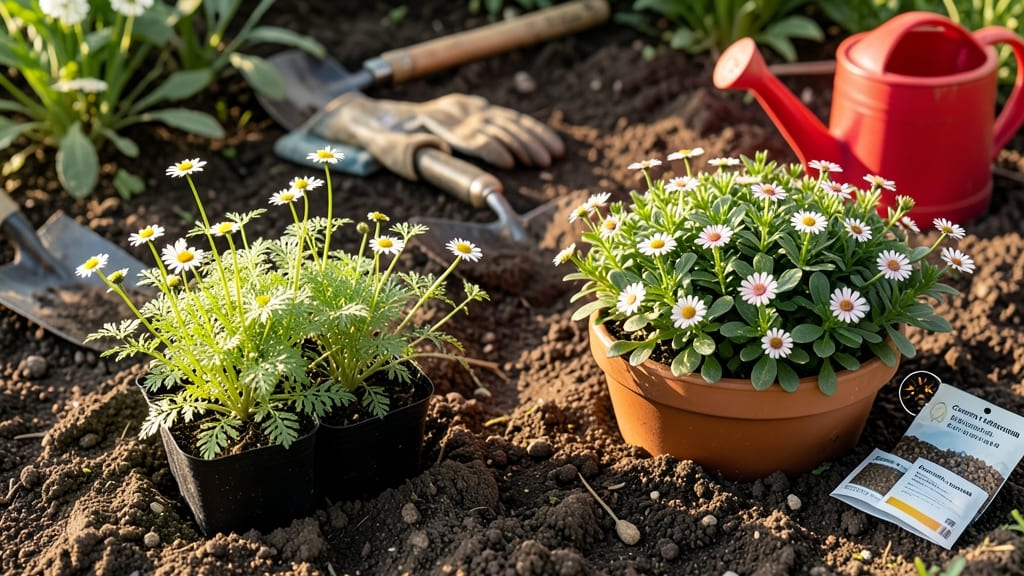
Plant chamomile in Texas between September–October for fall or February–March for spring to avoid frost and scorching heat.
Texas gardeners know that timing is everything—plant chamomile too early, and frost will kill your delicate 🌼 flowers; too late, and the brutal summer heat will stunt growth. But mastering the perfect window can transform your garden into a fragrant, low-maintenance haven.
Chamomile thrives in USDA Zones 8a-11, but regional differences matter. North Texas’s later frosts mean a delayed spring start, while South Texas’s milder winters allow earlier planting. The key? Soil temperatures—wait until they drop below 80°F in fall or warm to 60°F in spring.
Below, I’ll walk you through the exact months for your area, how to prep soil for success, and the three mistakes that kill chamomile before it blooms—so you can skip the guesswork and grow a bountiful harvest.
Best planting windows for chamomile in Texas: month-by-month breakdown
Texas gardeners know that timing is everything—plant chamomile too early, and frost will kill your delicate flowers; too late, and the brutal summer heat will stunt growth. But mastering the perfect planting window can turn your garden into a fragrant, low-maintenance oasis.
Chamomile thrives in USDA Zones 8a-11, but Texas's variable frost dates and intense summer heat demand precise timing.
Chamomile is typically treated as an annual in Texas due to its sensitivity to extreme temperatures. However, with the right timing, you can enjoy two harvests per year—one in spring and another in fall.
The key is planting when soil temperatures are ideal for germination (between 60°F and 80°F) and avoiding the peak summer heat.
| Region | Best Planting Months | Last Frost Date | First Frost Date | Soil Temp for Planting |
|---|---|---|---|---|
| North Texas (Dallas, Fort Worth) | September 15–October 15 March 1–April 15 |
February 15 | December 1 | 60°F–75°F |
| Central Texas (Austin, San Antonio) | September 1–October 10 February 15–March 30 |
January 31 | November 15 | 65°F–78°F |
| South Texas (Houston, Corpus Christi) | August 15–September 30 January 15–February 28 |
January 1 | November 1 | 70°F–80°F |
| Urban Microclimates (e.g., Austin rooftops) | September 10–October 5 March 10–April 10 |
February 10 | November 20 | 60°F–75°F |
For North Texas, aim to plant chamomile in late September to mid-October for a fall harvest or early March to mid-April for spring blooms. The last frost date in Dallas is around February 15, so avoid planting outdoors before then.
In Central Texas, you have a slightly longer window—plant in early September to October or mid-February to March.
South Texas gardeners enjoy the longest growing season. You can plant chamomile as early as mid-August for a fall harvest or mid-January to February for spring blooms.
The mild winters in this region allow for earlier starts, but avoid planting when soil temperatures exceed 80°F, as germination rates drop sharply.
Urban gardeners in cities like Austin often face microclimate challenges, such as warmer pavement and drier air. To adapt, plant chamomile 1–2 weeks earlier than rural areas and use mulch to retain moisture. Containers also help regulate soil temperature in urban heat islands.
If you miss the ideal planting window, don’t despair—chamomile can be direct-sown in early spring (as soon as soil is workable) or transplanted from nursery starts. However, seedlings planted in May or June may struggle with heat stress and require extra shade and frequent watering.
For a continuous harvest, consider succession planting: sow a new batch every 3–4 weeks during the optimal planting months. This ensures a steady supply of fresh chamomile flowers for teas, remedies, or culinary uses.
Just remember: chamomile hates competition, so thin seedlings to 6–12 inches apart to prevent overcrowding.
One common mistake is planting chamomile in full summer heat. While it’s drought-tolerant, seedlings planted in July or August often bolt to flower prematurely or wilt under the 100°F+ temperatures. Instead, opt for fall planting to take advantage of cooler soil and gentler sunlight.
Finally, monitor your chamomile’s growth stage closely. If planted in fall, it may bloom by late October, while spring-planted chamomile typically flowers in April or May. Harvest flowers when buds are fully open but before petals brown to preserve their soothing aroma and medicinal properties.
3 Critical mistakes Texas gardeners make (and how to fix them)
Texas gardeners love chamomile for its soothing scent and medicinal benefits, but even the most experienced can fall into timing traps. The biggest mistake? Planting chamomile before the last frost—especially in North Texas where February 15 is the average last frost date.
Delicate chamomile seedlings can't survive even light frost, leading to wasted effort and heartbreak.
Another common error is skipping soil preparation. Chamomile thrives in well-draining, slightly acidic soil (pH 6.0-7.0), but many Texas gardeners assume our native clay soil is sufficient. Without amending it with compost or sand, your chamomile will struggle to establish roots, resulting in stunted growth and poor blooms.
Here's the breakdown of what happens when you get timing wrong versus right:
Mistake: Planting Before Last Frost
Planting in January (North Texas) or December (South Texas)
After February 15 (North) or January 1 (South)
Frost-killed seedlings, wasted seed packets, 0% success rate
Strong root establishment, 90%+ bloom success, full harvest potential
Check local frost dates and wait 2 weeks after last frost
Use row covers if planting early for extra protection
Mistake: Ignoring Soil Prep
Planting in unamended native soil
2-4 weeks before planting with compost
Poor drainage, root rot risk, 50% reduced blooms
Healthy roots, 2x more flowers, stronger plants
Test soil pH and amend with compost + sand (1:1 ratio)
Add perlite for extra drainage in heavy clay
Mistake: Skipping Succession Planting
Single planting in spring only
Spring + Fall plantings (3-week intervals)
Limited harvest window, 3-month bloom cycle
6+ months of blooms, continuous harvest
Plant every 3 weeks from March–October
Use shade cloth in summer for late plantings
The third big mistake is skipping succession planting, which leaves gardeners with a single bloom cycle instead of continuous harvests. Chamomile is an annual in most of Texas, meaning it won't regrow from the same planting.
By staggering plantings every 3 weeks from March through October, you can enjoy fresh chamomile blooms for nearly half the year.
For