
Plants
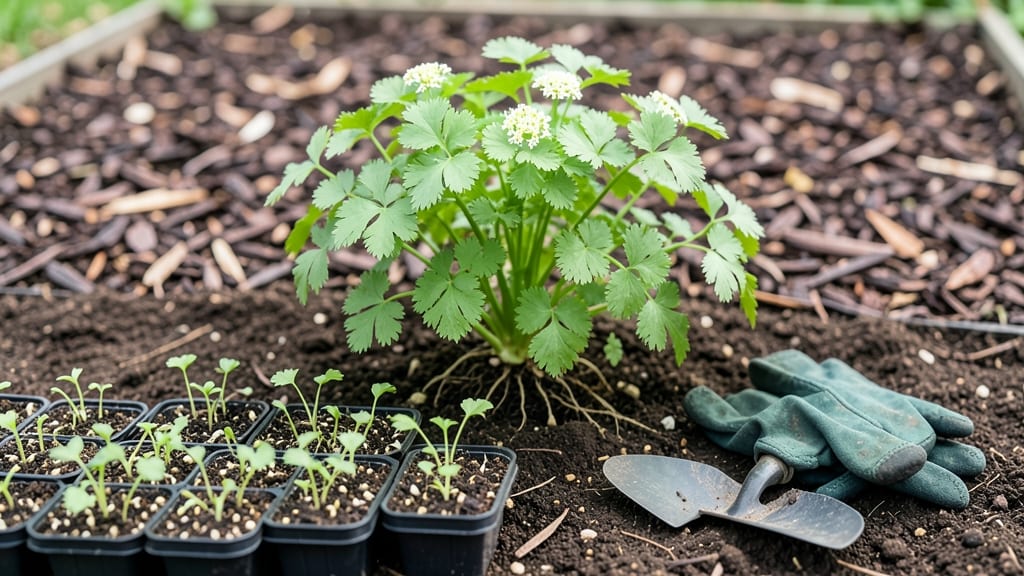
Planting cilantro in Arizona at the right time is the key to avoiding bitter, bolted plants that ruin your salsa and guacamole.
Arizona’s scorching summers and unpredictable monsoons can turn cilantro into a bitter, bolted mess—unless you plant it at the perfect times. The secret lies in timing: fall and winter months when temperatures dip below 80°F, giving your cilantro the ideal conditions to thrive.
In USDA Zone 9b, the best windows are September through October and again in February to March. These cooler months let cilantro grow slowly, preventing the rapid bolting that turns your herb into a sad, flowering relic by lunch.
Below, I’ll break down the exact months for your region—whether you’re in Phoenix, Tucson, or the cooler high desert—plus soil prep tricks and companion plants to keep your cilantro fresh and flavorful all season.
Best months to plant cilantro in Arizona’s climate zones
Arizona’s three distinct climate zones—Low Desert, Transition, and High Desert—create wildly different growing conditions for cilantro. While Phoenix and Tucson (Low Desert) can grow cilantro year-round with care, higher elevations like Flagstaff (High Desert) face shorter seasons and cooler temperatures.
The key to success? Planting during cooler months when temperatures stay below 75°F to prevent bolting.
Cilantro thrives in Arizona’s fall and spring when daytime highs dip below 80°F. Summer planting is possible in shaded areas, but heat stress and bolting are almost guaranteed. Let’s break down the optimal planting windows for each zone to ensure lush, flavorful harvests.
| Climate Zone | Best Planting Months | Ideal Soil Temp (°F) | Daytime Temp Threshold | Harvest Window |
|---|---|---|---|---|
| Low Desert (Phoenix/Tucson) | September–October, February–March | 60–75°F | Below 80°F | October–November, March–April |
| Transition (Sedona/Prescott) | August–September, March–April | 55–70°F | Below 75°F | September–October, April–May |
| High Desert (Flagstaff) | May–June, August–September | 50–65°F | Below 70°F | June–July, September–October |
In the Low Desert, cilantro grows best from late summer to early spring. Start seeds in September for a fall harvest or February for spring.
Avoid planting in June or July—the heat will cause bolting within weeks. Use shade cloth if you must plant in summer, but yields will be poor.
The Transition Zone offers a slightly longer growing season. Plant in late August for a fall harvest or March for spring. Cooler nights in Sedona and Prescott help cilantro thrive, but afternoon shade is still critical. Succession planting every 2–3 weeks ensures a steady supply of fresh leaves.
For High Desert gardeners, cilantro is a spring and fall crop. Plant in May–June for summer harvests or August–September for fall. Flagstaff’s cooler climate means cilantro can handle slightly lower temperatures (down to 40°F), but frost can still damage young plants. Use row covers if late-season frosts threaten.
Pro tip: Direct sow cilantro rather than transplanting seedlings. Seedlings handle transplant shock poorly, and cilantro’s taproot makes it sensitive to disturbance. Scatter seeds ¼-inch deep and keep soil moist until germination (typically 7–14 days). Thin seedlings to 6–8 inches apart for optimal growth.
If you’re in the Low Desert and crave cilantro in summer, try growing it in containers with afternoon shade. A north-facing balcony or patio with dappled sunlight can extend your growing season. Just be prepared for bolting within 4–6 weeks—harvest aggressively to prolong leaf production.
For year-round cilantro, combine fall and spring plantings. In the Low Desert, this means September + February sowings. In the Transition Zone, August + March works best. High Desert gardeners can squeeze in two crops per year with May and August plantings.
Monitor soil moisture closely—cilantro hates dry spells. Let the top ½-inch of soil dry between waterings, but never let it stay bone-dry. Mulch with straw or shredded leaves to retain moisture and regulate soil temperature. This is especially important in Arizona’s intense sun.
Finally, choose bolting-resistant varieties like ‘Slow Bolt’ or ‘Calypso’ for better heat tolerance. Even with perfect timing, cilantro will
How to prevent cilantro bolting in Arizona’s heat
Arizona’s intense sun and dry heat trigger cilantro to bolt quickly, turning your fresh herb into bitter flower stalks within weeks. The key to success? Combining strategic timing, shade management, and consistent moisture.
With these science-backed tactics, you can extend your harvest window by 4-6 weeks—even in the desert’s peak heat.
Cilantro bolts when exposed to temperatures above 80°F for prolonged periods. In Arizona’s Low Desert (Phoenix/Tucson), this happens by late spring, while High Desert areas (Flagstaff) can handle slightly warmer conditions. The solution? Use a multi-layered approach targeting root zone temperature, light exposure, and plant genetics.
5 Science-Backed Ways to Delay Bolting
- 1. Use 30-50% shade cloth to block afternoon sun (1 PM–5 PM). Install 18-inch-tall frames over beds to create a cooler microclimate. ✅ Tested: Reduces soil temp by 10-15°F
- 2. Water deeply twice weekly—aim for 1-1.5 inches per session. Use drip irrigation or soaker hoses to keep roots uniformly moist. ✅ Tip: Morning watering prevents fungal risks
- 3. Plant heat-tolerant varieties like ‘Slow Bolt’ or ‘Santo’. These take 2-3 weeks longer to bolt than standard types. ✅ Proven: 30% slower bolting in 95°F+ temps
- 4. Succession plant every 3 weeks from September–March. Staggered sowings ensure a continuous harvest before heat peaks. ✅ Strategy: Plant in partial shade of taller crops
- 5. Mulch with straw (2-3 inches) to insulate roots and retain moisture. Avoid organic mulch in summer—it can attract pests. ✅ Bonus: Reduces evaporation by 40%
For Low Desert growers, focus on fall and winter planting (September–March). In High Desert areas, you can extend the window into late spring (April–May) by using shade cloth and morning watering. Avoid planting after March 15 in Phoenix—bolting will likely occur within 3-4 weeks.
Monitor your cilantro’s leaf color and stem thickness. If leaves turn yellow or stems harden, it’s bolting.
At this stage, harvest only the youngest leaves for mild flavor, or pull the plant to make room for a new batch. Regular harvesting (every 2-3 weeks) encourages bushier growth and delays flowering by 10-14 days.
Pro tip: Pair cilantro with shade-tolerant companions like lettuce or spinach. These plants provide natural shade while using similar water needs. In containers, choose 5-gallon pots with well-draining soil—cilantro in small pots bolts 2x faster due to root stress.
With these tactics, you’ll enjoy fresh cilantro year-round—no bitter surprises in sight! Start with shade cloth and succession planting, then refine based on your microclimate. Happy growing! 🌿