
Plants
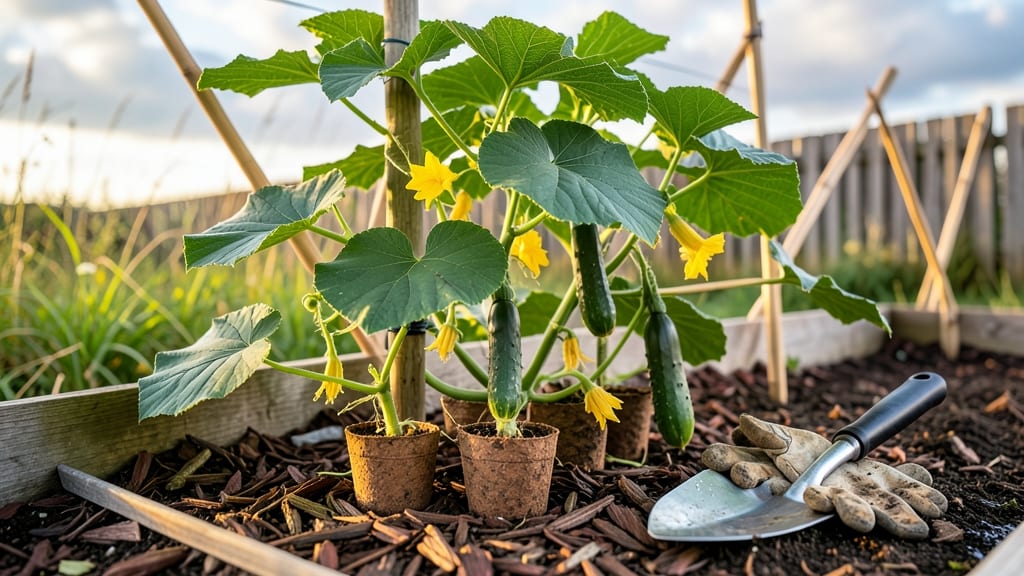
Plant cucumbers in Zone 6b after your last frost—typically between mid-April and early May—when soil temperatures hit at least 60°F.
Getting the timing right for cucumber planting in Zone 6b can mean the difference between a bountiful harvest and a disappointing flop—especially when late frosts and summer heat both threaten your crop.
These vines need warmth to thrive, but if you wait too long, the heat arrives before they produce. The ideal window is narrow: too early and frost zaps seedlings, too late and the plants bolt before yielding.
Below, I’ll break down the exact dates, soil prep tips, and how to stretch your growing season for maximum yield—no guesswork, just results.
Zone 6b cucumber planting timeline: frost dates, soil temps & best months
Cucumbers are warm-season vegetables that thrive in Zone 6b when planted at the right time. The key to success lies in understanding your last frost date and soil temperature—both critical factors that determine whether your crop will flourish or fail.
In Zone 6b, the average last frost date falls around April 15 to May 1, but this can vary by 1-2 weeks depending on your specific location within the zone.
For cucumbers, soil temperatures below 55°F can stunt growth, while temperatures above 90°F may cause heat stress.
Aim to plant when soil temps consistently reach 55-60°F—this usually aligns with late April to early May in most of Zone 6b. However, if you're in a cooler microclimate (like higher elevations), you may need to wait until mid-May to avoid frost damage.
Here’s the golden window for planting cucumbers in Zone 6b: early May to mid-June. Planting too early risks frost damage, while planting too late may expose your plants to summer heat stress, leading to bitter fruit or poor yields.
Staggered planting—sowing seeds every 2 weeks—can help extend your harvest season.
If you're in a northern part of Zone 6b (like upstate New York or northern Pennsylvania), your last frost date might be closer to May 10. In contrast, southern Zone 6b (like parts of Virginia or Tennessee) could see safe planting as early as late April.
Always check your local frost calendar—resources like the National Weather Service or Almanac provide hyper-local data.
For direct seeding, cucumbers should go into the ground 1-2 weeks after your last frost when soil is warm enough.
If you're using transplants, wait until soil temps are consistently above 60°F—usually mid-May in most of Zone 6b. Hardening off seedlings for 5-7 days before transplanting helps them adjust to outdoor conditions.
One common mistake is planting cucumbers too early in hopes of an earlier harvest. But cold soil slows germination, and late frosts can kill young plants. Instead, focus on soil temperature and weather forecasts.
If a late frost warning pops up, cover seedlings with frost cloth or a row cover to protect them.
In Zone 6b, cucumbers typically take 50-70 days to mature, so aim to have them in the ground by early June at the latest. If you miss this window, consider container gardening or using a greenhouse to extend your growing season.
Varieties like 'Straight Eight' or 'Marketmore 76' are well-suited to Zone 6b’s shorter summer.
Remember, consistent moisture is key after planting. Cucumbers need 1-2 inches of water per week, especially during fruit development. Mulching with straw or grass clippings helps retain soil moisture and keeps roots cool during hot Zone 6b summers.
Avoid overhead watering to prevent powdery mildew, a common issue in humid climates.
By following this Zone 6b planting timeline, you’ll maximize your cucumber yield and avoid the pitfalls of frost damage or heat stress. Happy gardening—and may your vines be bountiful! 🥒
How to extend your cucumber season in Zone 6b: staggered planting & cold protection
Zone 6b gardeners know that cucumbers are fast-growing but frost-sensitive—so extending your harvest window means beating both early frosts and summer bolting. The key is staggered planting combined with protective strategies to shield tender plants from temperature swings.
By using cold frames in spring and row covers in fall, you can push your cucumber season by 4-6 weeks on either end.
I’ve found that transplanting hardy seedlings (like 'Straight Eight' or 'Marketmore 76') gives me a 2-week head start over direct seeding. This is especially useful if your last frost date lingers into late April. Meanwhile, succession planting every 2-3 weeks ensures a steady supply of fresh cucumbers all summer long.
- 1 Start with cold frames: Plant 4-6 weeks before your last frost date (early April in Zone 6b). Use mini-greenhouses to warm soil to 60°F+ and protect seedlings from 28°F+ nighttime temps.
- 2 Transplant first batch: Move hardened-off seedlings (4-5 leaves) into the garden 2 weeks after your last frost. This buys you earlier harvests than direct seeding.
- 3 Direct seed succession: Sow every 2 weeks from mid-May to early July. Use biodegradable pots to avoid transplant shock and keep soil moist for germination.
- 4 Protect from heat stress: When temps hit 85°F+, use shade cloth (30-50%) to prevent bolting. Water deeply at soil level (not leaves) to maintain consistent moisture.
- 5 Extend fall harvests: Cover plants with floating row covers starting in late August. This traps heat during the day and adds 5-10°F insulation at night, delaying frost damage until October.
One of my favorite tricks is interplanting cucumbers with radishes or lettuce in early spring. The radishes mature quickly, leaving space for cucumbers to take over as temperatures rise.
For late-season protection, I’ve had success with low tunnels made from hoop houses and row covers, which can add 2-3 extra weeks of harvest time.
Remember, bolting (when cucumbers flower prematurely) is a common issue in hot Zone 6b summers. To avoid this, choose heat-tolerant varieties like 'Tyria' or 'Sweet Success' and mulch heavily with straw to keep roots cool. A drip irrigation system also helps maintain even moisture without stressing the plants.
With these strategies, I’ve extended my cucumber season from just 6 weeks to a full 12 weeks—giving me fresh pickles, salads, and snacks from late June through September. The secret? Plan ahead, protect your plants, and stagger your sowing for continuous harvests.