
Plants
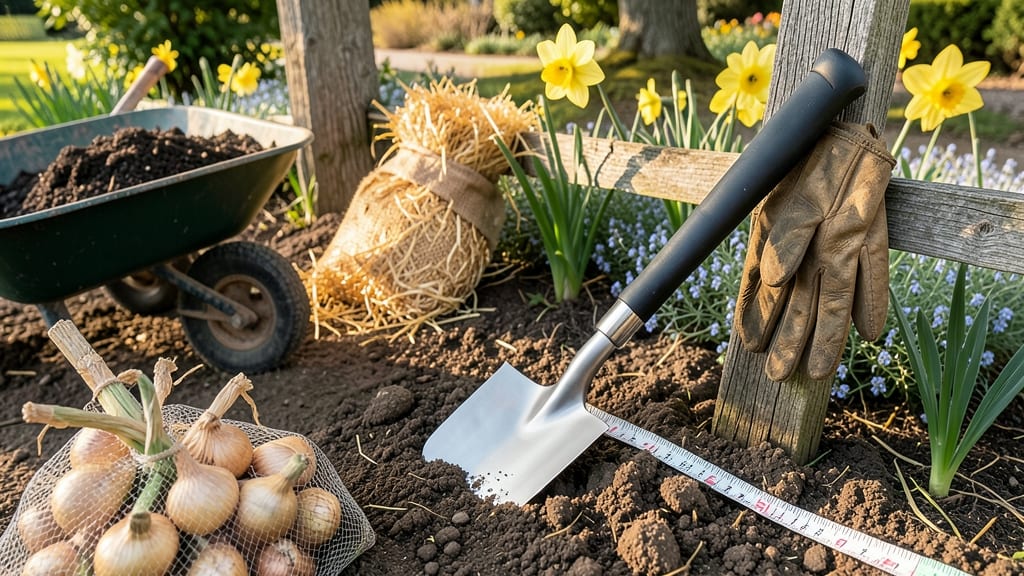
Planting daffodils in Massachusetts in the fall ensures vibrant spring blooms 🌼 by letting bulbs establish roots before winter.
Massachusetts gardeners know that timing is everything when planting daffodils for vibrant spring blooms—get it wrong, and you might miss the ideal window to beat frost and ensure healthy growth.
In USDA Zones 5b-6b, the sweet spot is between mid-October and mid-November, when soil temperatures drop but before the ground freezes solid.
Below, I’ll walk you through the exact planting schedule for your region, soil prep tips, and how to protect your bulbs from late frosts so you can enjoy those cheerful blooms come April.
Best late fall planting dates for daffodils in Massachusetts regions
Timing your daffodil planting in Massachusetts can make or break your spring blooms. Fall planting is ideal because it gives bulbs time to establish roots before winter dormancy. In USDA Zones 5b-6b, the key is planting 4-6 weeks before the ground freezes, typically between mid-October and November.
But exact dates vary by region—Boston, Worcester, and Cape Cod each have unique frost risks and soil conditions.
For Boston and Worcester, the optimal window is usually mid-October to early November. Cape Cod’s coastal climate often allows planting 1-2 weeks later due to its slightly milder winters.
The goal is to plant when soil temperatures drop below 60°F but before consistent freezing begins. This ensures roots form without winter damage.
Here’s a quick reference for soil temperature guidelines and frost risk factors by region to help you avoid common mistakes:
In Boston, aim for mid-October to give bulbs time to root before the city’s average first frost on November 15. The soil temperature should be between 50-60°F—use a soil thermometer to check.
If you plant too early, bulbs may sprout and get damaged by early cold snaps. If too late, roots won’t establish before freezing.
For Worcester, the ideal window shifts to late October due to its inland climate. The soil cools faster, so monitor temperatures closely. Planting in early November is still safe if the ground hasn’t frozen yet.
Worcester’s moderate frost risk means you have a slightly longer window than Boston, but don’t wait too long.
Cape Cod’s coastal location gives gardeners a later planting window—up to late November. The ocean moderates temperatures, delaying frost until early December. However, soil drainage can be an issue in sandy areas. Amend soil with compost to retain moisture and improve root development.
Always check the 10-day forecast before planting. If frost is predicted within 2 weeks, plant immediately—even if it’s slightly outside your ideal window. Daffodils are hardy perennials, but established roots make a huge difference in bloom quality and plant longevity.
Pro tip: Plant daffodil bulbs 6 inches deep and 6 inches apart for best results. This depth protects them from temperature fluctuations and rodent damage. After planting, add a 2-inch layer of mulch to insulate the soil and retain moisture during winter.
By following these region-specific guidelines, you’ll ensure your daffodils thrive and reward you with vibrant spring blooms year after year. Happy planting! 🌼
How to prepare daffodil bulbs for Massachusetts planting success
Once you’ve chosen the perfect late fall planting window for your Massachusetts daffodils, proper bulb preparation makes all the difference. Healthy bulbs establish strong roots before winter, ensuring vibrant spring blooms that thrive in MA’s USDA Zones 5b-6b.
Here’s how to get your daffodils off to the best start.
Start by selecting firm, plump bulbs with no soft spots or mold. Look for paperless varieties if you prefer tidier gardens, or classic paper-covered types for traditional charm.
Avoid bulbs with sprouting shoots—these are often weaker and may not survive our cold winters. Store them in a cool, dry place until planting day.
For container gardening in Massachusetts, use pots with drainage holes and plant bulbs in well-draining potting mix. Choose containers at least 8 inches deep to accommodate roots. Place containers in protected locations (like against a south-facing wall) to shield bulbs from harsh winter winds.
With these steps, your daffodils will develop robust root systems before winter, setting the stage for showstopping spring displays. Remember, the key is timing and soil prep—don’t rush planting before the ground cools, and always prioritize drainage in our variable climate. Your future blooms will thank you! 🌼