
Companion Plants
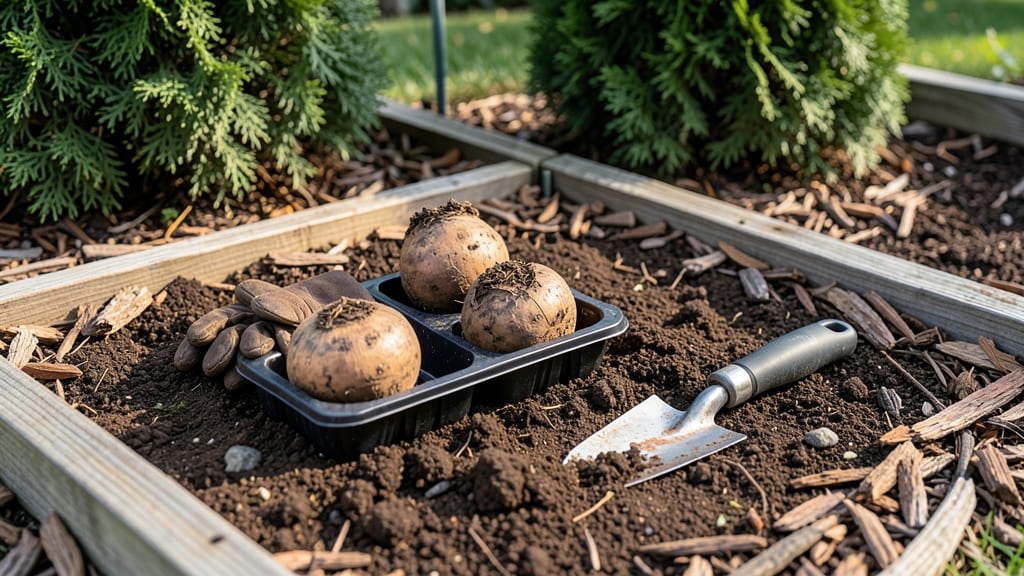
Planting dahlias in Pennsylvania after your last frost — typically mid-April to mid-May — is the secret to strong stems and nonstop blooms all summer.
Pennsylvania’s unpredictable spring weather can make or break your dahlias — plant too early and risk frost damage, too late and miss peak bloom season. Timing is everything for these showstopper flowers, and getting it right ensures sturdy stems and vibrant blooms from July to October.
Whether you’re in USDA Zone 5b or 7a, the key is waiting for soil temperatures to hit 60°F and all danger of frost to pass. That’s when your tubers will thrive, not before.
Below, I’ll break down the exact frost-free timeline for your region, soil prep tips to avoid weak stems, and how to extend your dahlias’ growing season so you’re harvesting bold blooms until the first frost.
Best planting timeline for dahlias in Pennsylvania’s climate zones
Pennsylvania’s USDA Zones 5b-7a create a unique challenge for dahlia growers. These stunning tubers need precise timing to thrive—plant too early and frost will damage tender shoots, too late and you’ll miss peak bloom season.
The key is waiting for soil temperatures to consistently reach 60°F and all danger of frost to pass.
Dahlias are tender perennials in PA, meaning they’ll die back in winter but return from tubers if stored properly. Since they’re not winter-hardy beyond Zone 8, timing your planting ensures strong stems and vibrant blooms from July through October. Let’s break down the perfect windows by region.
🌱 PRO TIP: Use a soil thermometer to confirm readiness—dahlias won’t sprout until soil hits 60°F for 3+ days. This often means waiting until mid-May in northern PA vs. late April in southern regions.
Here’s your PA-specific planting timeline with soil temperature thresholds and regional adjustments:
| Zone | Last Frost Date | Optimal Planting Window | Soil Temp Threshold | Microclimate Adjustments |
|---|---|---|---|---|
| 5b (Erie, Altoona) | May 15-20 | May 20-30 | 60°F+ for 5 days | Wait for consistent 60°F nights; use black plastic mulch to warm soil faster. |
| 6a (State College, Scranton) | May 1-10 | May 10-20 | 60°F+ for 3 days | Plant slightly later in valleys (cooler air pockets); avoid low-lying areas that frost later. |
| 6b (Harrisburg, Lebanon) | April 25-May 5 | May 5-15 | 60°F+ for 3 days | Urban areas plant earlier (heat islands); rural areas wait 5-7 days longer. |
| 7a (Pittsburgh, Reading) | April 15-25 | April 25-May 10 | 55°F+ for 3 days | Plant earlier in south-facing slopes; protect with row covers if late frost risk. |
| 7b (Philadelphia, Wilmington) | April 10-20 | April 20-May 5 | 55°F+ for 2 days | Coastal areas can plant earliest; inland wait 1 week for cooler nights. |
For Zone 5b growers, the longest wait is critical—these areas experience the latest frosts in PA.
I’ve seen dahlias planted too early in Erie County get nipped by May frosts, resulting in stunted stems. Black plastic mulch can warm soil by 5-10°F, letting you plant 1-2 weeks earlier in cooler zones.
In Zone 7a/b, the earliest planting window means you can get two cuttings before summer heat arrives. I recommend succession planting—start with early varieties like ‘Café au Lait’ in late April, then add taller varieties like ‘Galaxy’ in early May for continuous blooms.
Watch for false springs—those unseasonably warm spells in March/April that trick gardeners into planting early. Dahlias won’t tolerate frost at any growth stage, so always check the National Weather Service’s frost predictions for your specific county. My go-to resource is the Penn State Extension frost calendar.
Once planted, mulch heavily with straw or shredded leaves to maintain even soil temps and prevent stem rot from temperature swings. In Zone 5b, I’ve seen dahlias bolt to bloom in just 60 days when conditions are perfect—proof that timing pays off.
Remember: Dahlias are not perennial in PA—they’ll die back in winter. But with perfect spring planting, you’ll enjoy cut flowers from July through October, making your garden the neighborhood showstopper. 🌼
Signs your Pennsylvania soil is ready for dahlias (and how to prep it)
Pennsylvania’s spring soil can be tricky—too cold and your dahlia tubers won’t sprout, too wet and roots suffocate. The key is waiting for soil temperatures to hit 60°F (15°C) at least 6 inches deep.
This usually aligns with mid-May in most of PA, but check your microclimate. Well-drained soil is non-negotiable for dahlias, as soggy conditions invite rot and weak stems.
Test your soil’s readiness by pressing your finger into the earth. If it feels crumbly but moist (like a damp sponge), it’s perfect. Drainage tests are easy: Dig a 6-inch hole, fill it with water, and time how long it takes to drain.
If it’s gone in 2 hours, you’re golden. Poor drainage? Amend with compost or perlite before planting.
⚠️ callout-warning ⚠️
Even if your soil feels warm, late frosts (common in PA’s Zone 5-6) can kill emerging shoots. Use row covers or wait until after May 15 for safety. Cold soil slows tuber growth, leading to weak stems that flop under heavy blooms.
Pro Tip: Pre-warm soil with black plastic mulch 2 weeks before planting to speed up root establishment.
Once your soil passes these tests, it’s time to amend it. Dahlias thrive in loamy soil with pH 6.5–7.0. Mix in 2–3 inches of compost or well-rotted manure to boost fertility.
Avoid fresh manure—it can burn tubers and attract pests. For heavy clay soil, blend in coarse sand or peat moss to improve aeration.
Mulching is your secret weapon for PA’s temperature swings. Apply 3–4 inches of straw or shredded leaves after planting to retain moisture, regulate soil temps, and suppress weeds. Organic mulch also breaks down slowly, feeding your dahlias as they grow.
Just keep mulch 6 inches away from stems to prevent rot.
One common mistake PA gardeners make? Overcrowding tubers. Space them 12–18 inches apart in rows 2 feet apart to allow airflow and easy harvesting. Crowded plants compete for nutrients, leading to smaller blooms and leggy stems.
Stake or cage tall varieties at planting time—waiting until they’re established stresses the roots.
Finally, give your dahlias a fertility boost before blooming season. Work in a balanced fertilizer (5-10-10) at planting, then side-dress with compost tea every 4–6 weeks during summer. Avoid high-nitrogen feeds—these promote leafy growth at the expense of showy blooms.
With the right soil prep, your dahlias will reward you with bold, long-lasting flowers from July through frost.