
Plants
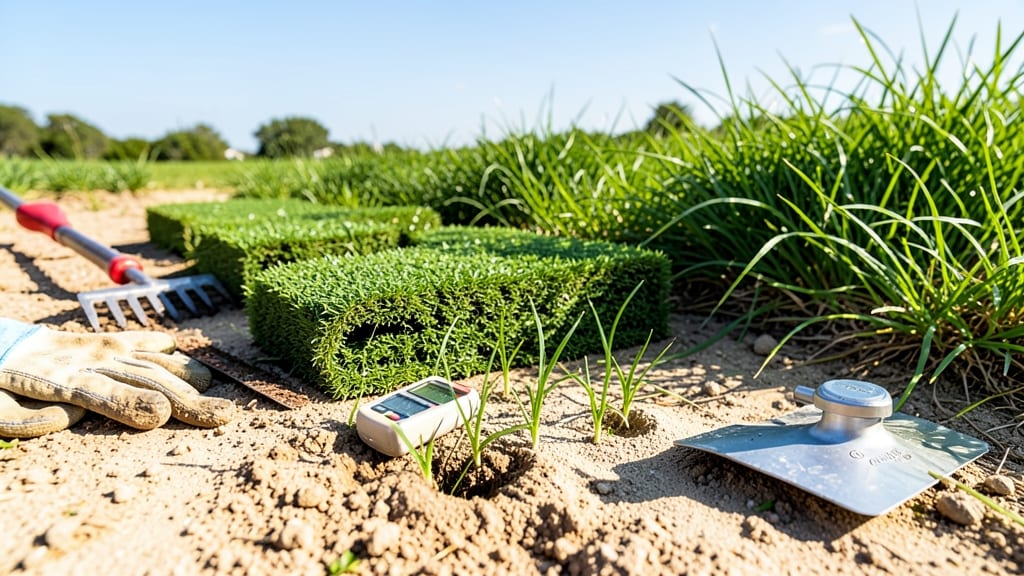
Planting grass in Florida at the right time can mean the difference between a lush, green lawn and a patchy, weed-infested mess.
If you’ve ever watched your newly seeded turfgrass 🌱 wilt under the midday sun or struggle to take root during Florida’s unpredictable rain, you know how critical timing is.
The wrong season and you’re fighting weeds, drought, or even hurricane season—all of which can derail your hard work before it even starts.
Florida’s climate zones—from 8a in the Panhandle to 11 in the Keys—mean there’s no one-size-fits-all answer. But the best window for planting Turfgrass in most of the state is spring or fall, when temperatures are mild and rainfall is steady.
Avoid the brutal summer heat or the occasional winter chill, both of which can stress young grass.
Below, I’ll break down the exact months to plant by region, how to prep your soil for success, and the three mistakes that turn Florida lawns into disappointment. With the right approach, you’ll have a lawn that’s not just green, but resilient—no matter what Florida throws at it.
Best months to plant grass in Florida (by region & climate zone)
Florida’s climate varies dramatically from North to South, making the best planting months for grass depend on your USDA hardiness zone and grass type.
Cool-season grasses like tall fescue thrive in North Florida’s cooler winters, while warm-season varieties like St. Augustine and Zoysia dominate Central and South Florida. Timing is critical—plant too early or late, and you risk heat stress, poor germination, or fungal diseases.
In North Florida (Zones 8a-9a), the ideal window stretches from late winter to early spring (February–April) for cool-season grasses, while warm-season grasses should be planted in late spring to early summer (May–June).
Meanwhile, Central Florida (Zone 9b) offers a broader window, with spring and fall being safest for most varieties. South Florida (Zones 10a-11) can plant year-round, but avoid hurricane season (June–November) to prevent seed loss.
Temperature is the #1 factor—grass seed germinates best when soil temps stay between 65°F–75°F. In North Florida, this aligns with March–April for cool-season grasses, while South Florida’s warm soils allow planting in September–October without summer heat stress.
Humidity and rainfall also play roles; consistent moisture is key, but standing water can drown seedlings.
For cool-season grasses like tall fescue, focus on North Florida’s late winter (February–March).
These grasses go dormant in summer heat, so planting too late risks poor establishment before the next growing season. Bermuda grass, a warm-season favorite, should be sown in late spring (May) when soil temps consistently exceed 70°F.
St. Augustine grass, beloved in Central and South Florida, thrives when planted in spring or fall. Spring planting (March–April) gives seedlings time to root before summer rains, while fall planting (September–October) avoids hurricane season disruptions. Always choose disease-resistant varieties like ‘Floratam’ or ‘Palmetto’ for Florida’s humidity.
In South Florida’s tropical climate, warm-season grasses like Zoysia and Centipede can be planted year-round, but avoid June–November due to hurricanes and heavy rains. Use shade cloth if planting during peak sun months to protect seedlings.
For new lawns, consider hydraulic seeding in September to capitalize on cooler temps and higher humidity.
One critical mistake is planting warm-season grasses in winter or cool-season grasses in summer. For example, Bahiagrass planted in North Florida’s winter will stay dormant until spring, wasting time and resources.
Always check your zone’s frost dates—North Florida’s last frost is around January 15, while South Florida sees none.
To maximize success, test your soil pH (ideal: 6.0–7.0) and amend with compost before planting. North Florida’s sandy soils may need organic matter to retain moisture, while South Florida’s clay-heavy areas benefit from gypsum to improve drainage. Water deeply 2–3 times per week after planting, keeping soil consistently moist but not waterlogged.
Finally, choose the right grass type for your region. North Florida’s Bermuda and
3 Critical mistakes that ruin Florida grass planting (and how to fix them)
Planting grass in Florida’s intense heat and humidity can turn your lawn dreams into a frustrating gamble. Even experienced gardeners make costly mistakes that leave patches of dirt instead of lush green. The key to success lies in avoiding these three common pitfalls that sabotage germination and long-term health.
First, many homeowners rush to plant during Florida’s brutal summer months when soil temperatures soar above 85°F. This extreme heat stresses seeds, causing them to dry out before they can establish roots. Second, skipping proper soil preparation—especially in Florida’s sandy or clay-heavy soils—leads to poor drainage and nutrient deficiencies.
Finally, choosing the wrong grass type for your specific climate zone (North vs. Central vs. South Florida) results in weak growth or complete failure.
Never plant grass during hurricane season (June-November). Heavy winds and flooding can bury seeds, compact soil, and create uneven germination. Wait until after September for South Florida or late spring for North Florida to avoid storm damage.
Let’s tackle the first mistake: planting during extreme heat. When soil temperatures exceed 80°F, grass seeds struggle to absorb moisture and may never sprout. Instead, aim for spring (March-May) or fall (September-November) when temperatures are milder.
For North Florida, early spring is ideal, while South Florida gardeners should plant in late spring to avoid summer downpours.
Next, proper soil preparation is non-negotiable. Florida’s soils often lack organic matter, leading to poor water retention and nutrient deficiencies. Before planting, test your soil’s pH (aim for 6.0-7.0) and amend with 2-3 inches of compost or peat moss.
For sandy soils, add organic matter to improve moisture retention, while clay soils benefit from gypsum or sand to break up compaction.
Finally, selecting the right grass type for your zone is crucial. North Florida’s cooler winters favor tall fescue or ryegrass, while Central and South Florida thrive with St. Augustine, Bahiagrass, or Zoysia.
Always check your USDA hardiness zone (8a-11 in Florida) and choose a variety that matches your local climate. For example, St. Augustine struggles in North Florida’s cooler winters, while Bahiagrass may not handle Central Florida’s humidity well.
By avoiding these three mistakes—planting in heat, skipping soil prep, and choosing the wrong grass—you’ll set your lawn up for success. With the right timing and care, your Florida grass will establish strong roots and outlast the state’s toughest weather conditions.
Start with these fixes, and you’ll be rewarded with a thick, green lawn that stays vibrant year-round. 🌱