
Plants
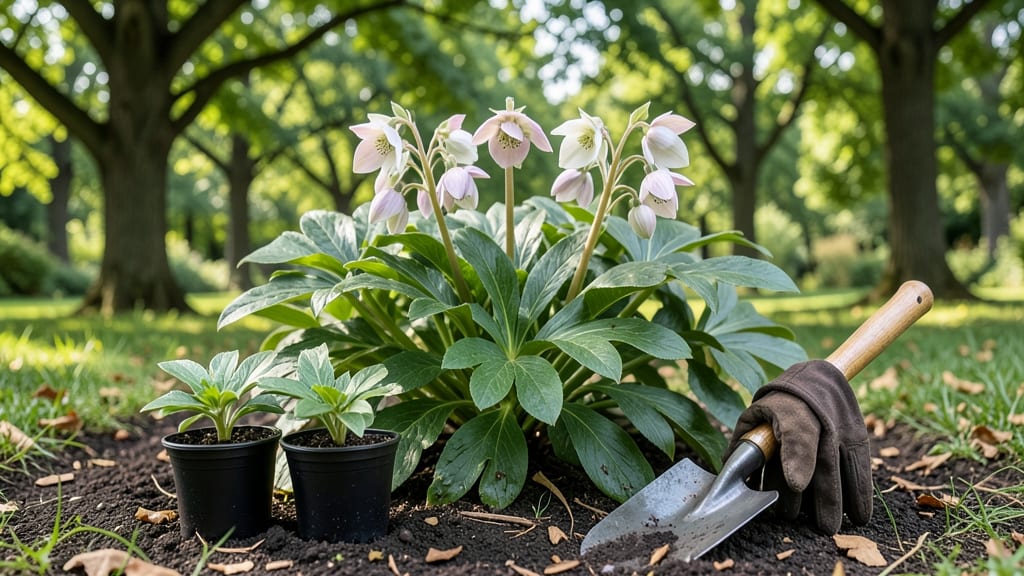
Planting hellebore in Zone 7 during late summer unlocks winter blooms that last through frost 🌸 — the secret to vibrant flowers even in mild winters.
If you’ve ever struggled to get hellebore to thrive in Zone 7’s tricky climate, timing is everything. Late summer planting gives roots time to establish before the first frost, while traditional fall schedules might leave them vulnerable to heat stress.
Zone 7’s warm fall and unpredictable late frosts make hellebore care a balancing act. Plant too early, and the heat stresses young roots; too late, and winter dormancy kicks in before they settle. The ideal window? Late August to early October, when soil stays warm but days grow cooler.
Below, I’ll walk you through the exact steps to plant hellebore for winter blooms, including soil prep, shade strategies, and how to protect your plants from Zone 7’s last-minute frost surprises.
Optimal planting times for hellebore in Zone 7: late summer vs. fall
In Zone 7, where summers can be brutally hot and winters surprisingly mild, timing your hellebore planting becomes a game-changer. While many gardeners default to fall planting, late summer offers a unique advantage for these hardy perennials.
The key lies in understanding how soil temperatures and root establishment interact with Zone 7’s climate to maximize survival and blooming potential.
Traditional wisdom suggests planting in fall (September-November), but research shows late August through early October can yield better results in Zone 7. This window allows roots to establish before late fall rains and mild winter temperatures create ideal conditions.
Let’s break down why this timing works better than traditional schedules and how to execute it flawlessly.
| Planting Window | Soil Temperature | Root Establishment | Frost Risk | Best For |
|---|---|---|---|---|
| Late August-Early October | 65-75°F (18-24°C) | 6-8 weeks before dormancy | Low (first frost after Oct 15) | Established roots before winter |
| Mid-October-November | 50-60°F (10-15°C) | 4-6 weeks before dormancy | Moderate (late frosts possible) | Traditional fall planting |
| Early December | 40-50°F (4-10°C) | Limited (high frost risk) | High (first frost likely) | Emergency planting only |
The late summer window (August-October) gives hellebores a critical head start. When planted in late August, roots can establish for 6-8 weeks before winter dormancy, creating a stronger plant.
Soil temperatures remain warm enough (65-75°F) to encourage root growth without stressing the plant. This translates to earlier blooming and more robust plants the following winter.
In contrast, planting in mid-October or later reduces the root establishment period to just 4-6 weeks. While this still works, Zone 7’s unpredictable late frosts can stress newly planted hellebores.
The first frost typically arrives around October 15, so planting after this date leaves little time for roots to anchor before winter sets in.
Another critical factor is moisture management. Late summer planting benefits from consistent rainfall patterns in Zone 7, reducing the need for supplemental watering. The soil remains moist longer during this period, which is ideal for root development.
If you plant in fall, you’ll need to monitor soil moisture closely to prevent drying during dry spells.
For gardeners in Zone 7a (colder microclimates), I recommend pushing planting to early October to ensure roots establish before the first frost. In Zone 7b (warmer microclimates), you can extend planting until mid-October with confidence. Always check your local frost dates to fine-tune your schedule.
One common mistake is assuming larger plants establish faster. In reality, smaller, healthy nursery-grown hellebores with well-developed roots transplant more successfully than oversized specimens. Look for plants with multiple crowns and firm, white roots—these are your best bets for late-summer planting success.
To maximize your hellebore’s potential, pair late-summer planting with proper soil prep. Amend your garden bed with compost and a balanced fertilizer (5-10-10) before planting. Hellebores thrive in well-draining, slightly acidic soil (pH 6.0-7.0), so test your soil and adjust if needed.
A 2-inch layer of mulch after planting helps retain moisture and regulate soil temperature.
Remember, hellebores reward patience. While they may not bloom their first year, proper late-summer planting sets the stage for vibrant winter flowers in subsequent seasons. With the right timing and care, your hellebores will become the showstopper of your winter garden. 🌸
Hellebore varieties and their unique planting needs in Zone 7
Zone 7 gardeners know hellebores are winter’s unsung heroes, but not all varieties thrive equally in our mild winters and hot summers. Each type—from Helleborus niger to Helleborus orientalis—has distinct needs for planting timing and microclimate preferences.
Understanding these differences ensures your hellebores establish roots before winter’s chill sets in.
For example, Helleborus niger (Christmas rose) prefers late fall planting (October-November) to avoid summer stress, while Helleborus orientalis hybrids often perform better with late-summer transplanting (August-September). The key lies in matching each variety’s moisture tolerance and shade requirements to Zone 7’s seasonal shifts.
🌱 Summary of Hellebore Varieties & Planting Needs in Zone 7
| Variety | Best Planting Window | Shade Tolerance | Moisture Needs | Zone 7 Notes |
|---|---|---|---|---|
| Helleborus niger | October–November | Full shade to part shade | Moderate (drought-tolerant) | Needs winter mulch; blooms earliest |
| Helleborus orientalis | August–September | Part shade (4+ hours sun) | Consistent moisture | Hybrids thrive with late-summer roots |
| Helleborus foetidus | March–April | Full sun to part shade | Drought-resistant | Best for sunny borders; blooms late winter |
| Hybrid varieties (e.g., 'HGC') | August–September | Part shade | Moderate (avoid soggy soil) | Late-summer planting boosts winter blooms |
Hybrid hellebores, like those from the Helleborus × hybridus group, often reward Zone 7 gardeners with vibrant winter blooms when planted in late summer.
These varieties establish roots before the first frost, giving them a head start for next year’s flowers. Helleborus foetidus, on the other hand, thrives in full sun and prefers spring planting to avoid summer wilting.
For all hellebores, soil drainage is critical in Zone 7’s clay-heavy soils. Amend planting holes with organic matter (compost or peat moss) to prevent root rot. Helleborus orientalis varieties, in particular, benefit from a thick mulch layer (3–4 inches) to regulate soil temperature through winter.
If you’re adding hellebores to a shady woodland garden, prioritize Helleborus niger or Helleborus argutifolius, which tolerate deep shade and dry conditions.
In contrast, sun-loving hybrids like 'Pink Frost' or 'Black Beauty' need at least 4 hours of morning sun to prevent leaf scorch in Zone 7’s intense summers.
Remember: Late-summer planting (August) works best for most orientalis hybrids, while fall planting (October) suits Helleborus niger. Test your soil’s moisture retention—sandy soils dry out faster, requiring more frequent watering after transplanting.
With the right variety and timing, your hellebores will reward you with months of winter color.