
Plants
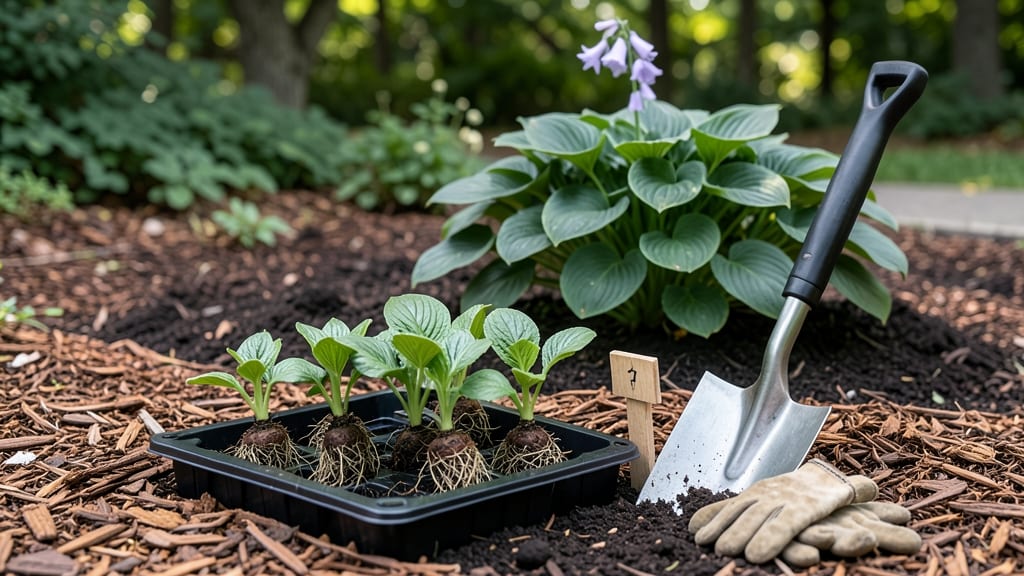
Planting hostas in Illinois at the right time ensures they take root before winter’s bite or summer’s heat sets in—aim for early spring or late fall for the best results.
Timing is everything when planting hostas in Illinois—get it wrong, and your stunning foliage could freeze before it thrives. But with Illinois’ unpredictable frost dates and varying microclimates, knowing the exact window for planting hostas can mean the difference between a showstopping garden and a sad, wilted disappointment.
Most Illinois gardeners swear by spring planting, ideally after the last frost around mid-April, when soil temperatures rise above 50°F. But fall planting works too, if you get them in the ground 6-8 weeks before the first frost—usually by early October.
The key is preparing the soil right and protecting young plants from temperature swings.
In this guide, I’ll break down the best months for planting hostas in Illinois, how to adjust for your local frost dates, and the simple steps to give your hostas the best start—whether you’re digging in spring or fall.
Illinois frost dates and the best months to plant hostas
Illinois gardeners know that hostas thrive in our USDA Zones 5-6, but timing their planting is tricky. The average last frost date across Illinois typically falls between April 15 and May 1, while the first frost arrives around October 15.
These dates create a 165-day growing season—just enough time for hostas to establish strong roots before winter. However, microclimates (like urban heat islands or sheltered valleys) can shift these dates by 1-2 weeks, so always check your local frost-free timeline.
For spring planting, I recommend starting as soon as the soil warms to 50°F (10°C), usually in late April to early May. This gives young hostas time to root before summer heat arrives.
In fall, plant 6-8 weeks before the first frost, ideally between September and early October, to allow roots to establish before winter dormancy. Fall-planted hostas often outperform spring-planted ones because they avoid summer transplant shock.
Here’s how to adjust for Illinois microclimates: - Northern Illinois (Zone 5): Wait until May 10 for spring planting due to colder soils. - Central Illinois (Zone 5-6): Plant by April 20 for spring or October 1 for fall. - Southern Illinois (Zone 6): You can plant as early as April 1 in spring or push fall planting to October 15.
Use row covers or mulch to extend your planting window. A 3-inch layer of mulch (like shredded bark) can protect roots from late spring frosts or early fall chills. For extra insurance, cover young hostas with frost blankets if temperatures dip below 28°F (-2°C).
These tricks let me plant hostas 2-3 weeks earlier in spring or 1-2 weeks later in fall without risk.
Now, let’s break down the ideal planting windows for Illinois hostas in a clear summary table:
| Planting Season | Best Months | Soil Temp | Key Considerations |
|---|---|---|---|
| Spring | Late April–Early May | 50°F+ (10°C+) | Avoid transplant shock; mulch after planting |
| Fall | September–Early October | 60°F+ (15°C+) | Roots need 6-8 weeks to establish |
| Extended Spring | Mid-March–Late April | 40°F+ (4°C+) | Use row covers; plant dwarf varieties first |
| Extended Fall | Mid-October–Early November | 45°F+ (7°C+) | Choose hardy varieties; mulch heavily |
If you’re planting in urban Chicago or northern suburbs (Zone 5), err on the side of caution. The Chicago Botanic Garden reports that late spring frosts can still hit after May 10, so I always have frost blankets ready.
For rural southern Illinois (Zone 6), you might even squeeze in a late fall planting by November 1 if using heavy mulch.
For container-grown hostas, the rules are slightly different. Potted hostas can handle earlier spring planting (as soon as soil is workable) because their roots warm up faster. However, they’re more vulnerable to temperature swings, so move containers to a protected spot if frost is forecasted.
In fall, bring containers indoors before consistent freezing (below 25°F (-4°C)).
Pro tip: Hardier hosta varieties like 'Halcyon' or 'June' tolerate Illinois winters better than delicate types like 'Blue Angel'. If you’re pushing the limits with late fall planting, choose smaller varieties (under 12 inches tall)—they recover faster from winter stress.
Always water deeply before the first frost to ensure roots have moisture for dormancy.
Finally, monitor your local weather forecasts and use frost-free date calculators (like the Old Farmer’s Almanac) for real-time adjustments. With these strategies
How to prepare hostas for Illinois’ unpredictable spring weather
Illinois’ spring weather can be a rollercoaster—one day warm sunshine, the next a surprise frost. Hostas, with their delicate foliage, need extra care during this transition. The key is preparing them properly so they can establish strong roots before summer’s heat arrives.
I’ve learned from years of trial and error that hardening off nursery plants and amending clay-heavy Illinois soil are absolute game-changers for survival.
Start by choosing a planting site with partial shade—hostas thrive with 3-6 hours of morning sun but can scorch in harsh afternoon rays. If your garden is mostly sunny, consider planting near trees or shrubs that provide dappled shade.
Illinois’ clay soil drains poorly, so I always mix in compost or peat moss to improve aeration and moisture retention. This simple step prevents root rot and gives your hostas the best start.
⚠️ callout-warning
While late April to early May is ideal, many gardeners rush to plant in March—only to lose their investment to late frosts. Even hardy hostas can suffer if soil temps stay below 50°F (10°C). Use a soil thermometer to check before planting. If temps dip below 45°F (7°C), delay until after the average last frost date (April 15 in most of Illinois).
Pro Tip: If you must plant early, use frost blankets or cloches for the first 2 weeks to protect young plants.
Before planting, harden off nursery hostas for at least 7-10 days. This means gradually exposing them to outdoor conditions—start with 2 hours of shade, then increase exposure daily. Skip this step, and your hostas will shock and struggle to adapt, leaving them vulnerable to pests and disease.
I also recommend soaking container-grown hostas in water for 10-15 minutes before planting to rehydrate their roots after nursery life.
Once planted, mulch heavily with 2-3 inches of organic mulch (like shredded bark or straw) to insulate roots and retain moisture. Illinois’ spring rains can be heavy, and mulch prevents soil compaction while keeping roots cool.
Avoid synthetic mulches—they don’t break down and can suffocate your hostas over time. For extra protection, I place a lightweight frost blanket over newly planted hostas if a late frost is forecasted in your area.
Don’t forget to water deeply but infrequently—hostas hate soggy soil but need consistent moisture. Aim for 1-2 inches of water per week, delivered in the morning to reduce evaporation. If your hostas start yellowing or wilting, it’s often a sign of overwatering or poor drainage.
Amend the soil again if needed, and consider raising beds in heavy clay areas to improve drainage.
Finally, avoid the temptation to fertilize immediately after planting. Hostas need time to establish roots before they can handle nutrients. Wait 4-6 weeks and then apply a balanced fertilizer (10-10-10) in early summer to encourage lush growth. With these steps, your hostas will thrive despite Illinois’ unpredictable spring weather—promise!