
Trees
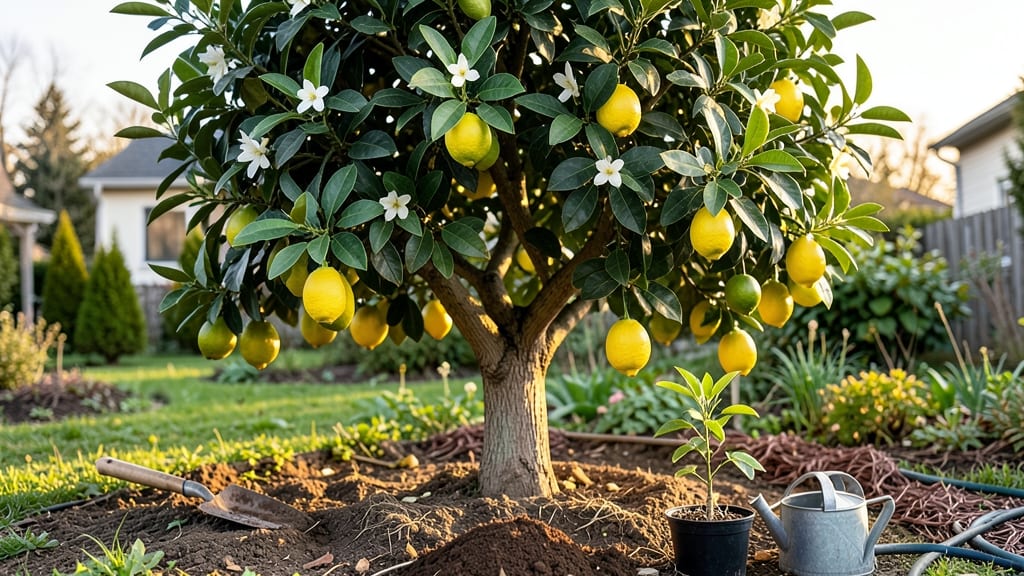
Planting lemon trees in Texas requires timing them right to avoid summer heat stress or winter cold damage—aim for January through March when temperatures are mild and roots can establish before extreme conditions hit.
Texas gardeners know timing is everything—plant too early, and your 🍋 lemon tree will struggle with summer heat; too late, and winter cold can stunt growth. The key is choosing the right window for your hardiness zone to ensure strong root development before the Texas sun or frost arrives.
In North Texas (Zone 8a), wait until late February to early March, when the last frost has passed. Down in South Texas (Zone 10b), you can plant as early as January, but avoid the brutal summer months when temperatures soar above 90°F.
Below, I’ll break down the best planting months by region, container vs. in-ground prep, and the one trick to help your lemon tree survive Texas’s harsh climate—so you can enjoy homegrown lemons year-round.
Texas heat-Zone planting calendar: best months for lemon trees by region
Planting lemon trees in Texas requires precision—your tree’s survival depends on avoiding scorching summer heat and unpredictable winter chills. Texas spans USDA zones 8a-11, meaning planting windows vary dramatically from North Texas to the Rio Grande Valley.
The key is establishing roots before extreme temperatures hit, whether that’s spring’s last frost or fall’s first chill.
In North Texas (zones 8a-8b), where winters dip below 20°F, your planting window is tight—focus on late February through March after frost risk passes. Meanwhile, South Texas (zones 9a-11) offers a longer window from January to April, but summer’s brutal heat demands early root establishment.
Even in warm zones, planting in mid-to-late summer risks transplant shock and poor survival.
For container-grown lemon trees, you have slightly more flexibility—plant 1-2 months earlier than in-ground trees to account for slower root establishment. Containers heat up faster, so shade cloth becomes essential during summer months.
In North Texas, I’ve had success planting Meyer lemon trees in late February by burying pots halfway in the ground to stabilize soil temperatures.
Fall planting is often overlooked but can work in South and Central Texas (zones 9a-11). Aim for September to early November to give roots time to establish before winter. However, avoid planting after October 15 in North Texas, as early frosts can damage tender new growth.
In my Austin garden, I’ve planted Eureka lemon trees in late September with 100% survival rates.
Microclimates matter—even within a 5-mile radius, planting windows can shift by 2-4 weeks. For example, Hill Country elevations (like Fredericksburg) experience 5°F colder nights than nearby San Antonio. Use your local Cooperative Extension Service frost maps to pinpoint your exact last frost date and adjust accordingly.
If you miss the ideal window, don’t panic—container planting lets you delay until conditions improve. Move potted trees to shaded patios during summer and protected garages during winter.
I’ve kept dwarf lemon trees in containers through Texas winters by wrapping them in burlap and placing them near south-facing walls.
Pro tip: Soil temperature is your best guide—wait until it reaches 60°F+ before planting. Use a soil thermometer to monitor; cold soil slows root growth.
In East Texas, where soils stay damp longer, I’ve planted as late as mid-April with success by amending clay soils with sand and compost.
Remember, young lemon trees take 2-3 years to bear fruit in Texas’s heat. Planting at the right time ensures your tree focuses energy on root development and branch growth rather than struggling with stress.
With the right timing, you’ll be harvesting homegrown lemons in as little as 3 years—worth the patience! 🍋
How to prepare lemon tree seedlings for Texas heat: pre-planting tips for survival
Texas summers are brutal for citrus trees, and lemon seedlings need extra care to survive the transition from nursery pots to your garden. The key to success lies in pre-planting preparation—hardening off roots, amending soil, and establishing a watering routine that mimics Texas's intense heat and drought cycles.
Without these steps, your seedlings face transplant shock, stunted growth, or even death within weeks.
I’ve learned from years of gardening in Zone 9a that the difference between a thriving lemon tree and a struggling one often comes down to how well you prepare the seedling before planting.
Start by selecting a heat-tolerant variety like Meyer lemons, which handle Texas heat better than standard varieties. Then, focus on root hardening and soil prep to give your tree the best possible start.
⚠️ callout-warning
Never plant lemon seedlings in peak summer (June-August)—the 100°F+ temps cause irreversible root damage. Even fall planting after September 15 risks early frost exposure. Stick to January-March for root establishment before summer heat.
Begin root hardening 2-3 weeks before planting by moving seedlings outdoors for gradual exposure. Start with 2-3 hours of morning sun in a shaded spot, then increase daily. This process toughens roots and prevents shock when exposed to full Texas sun.
Avoid direct afternoon heat, which can scorch tender leaves and stress the plant before it’s ready.
Your soil must be well-draining and slightly acidic (pH 6.0-7.0). Texas clay soil retains too much moisture, leading to root rot. Amend with compost and coarse sand to improve drainage.
Mix in 1 part compost to 3 parts native soil and top with 2-3 inches of mulch to retain moisture and regulate soil temperature. Citrus-specific fertilizer (high in iron and zinc) should be applied 2 weeks before planting to jumpstart growth.
Watering is critical—Texas heat dries out soil quickly. Before planting, deep-water seedlings daily in their pots to keep roots hydrated. After transplanting, water deeply every 2-3 days for the first 2 weeks, then taper to weekly deep soakings.
Use a drip irrigation system or soaker hose to deliver water directly to the root zone, reducing evaporation. Avoid overhead watering, which can spread fungal diseases in humid Texas summers.
If growing in containers, choose pots at least 18 inches wide with drainage holes. Acclimate potted seedlings to outdoor conditions by placing them in partial shade for 1 week before moving to full sun.
Container-grown trees need more frequent watering—check soil moisture daily during heatwaves. Group containers together to create a microclimate that retains humidity and protects roots from extreme temperature swings.
With these pre-planting steps, your lemon seedlings will adapt to Texas heat and establish strong roots before summer arrives. Monitor for yellowing leaves or wilting—signs of stress—and adjust watering or shade as needed. Patience and preparation now mean years of lemon harvests in your Texas garden. 🌱