
Plants
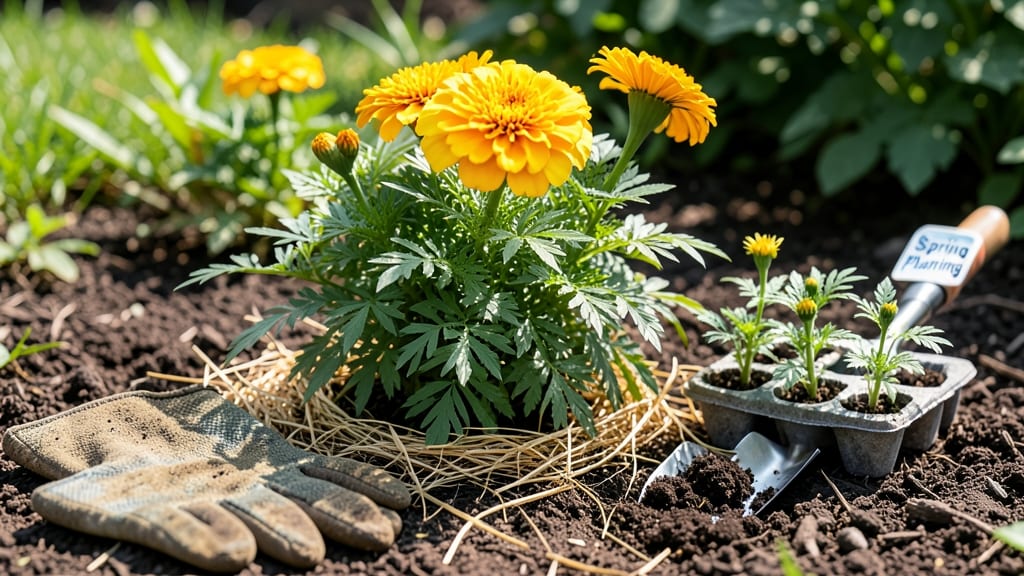
Planting marigolds in NC after the last frost date—typically late March to early April—sets the stage for vibrant blooms from June through October.
Marigolds aren’t just beautiful—they’re powerhouse plants that deter pests, attract pollinators, and thrive in North Carolina’s diverse climate. But timing your planting wrong can mean wilting flowers before they bloom.
From the cool mountain air of the Appalachians to the humid coastal plains, your county’s frost-free window matters. A spring planting in late March ensures summer color, while a fall planting in August extends blooms into October.
Here’s your county-specific guide to planting marigolds in NC, complete with frost-free windows and pro tips to maximize your garden’s potential.
NC county-by-county frost-free dates for planting marigolds
North Carolina’s diverse climate—from the cool mountain valleys of the Appalachians to the humid coastal plains—creates wildly different frost-free windows for marigolds. Planting too early in the western mountains or too late near coastal beaches can spell disaster for your bright orange and yellow blooms.
Here’s your county-by-county breakdown to pinpoint the perfect planting dates for both spring and fall marigolds, ensuring vibrant flowers from May through October.
Marigolds are heat-loving annuals that thrive when soil temperatures hit at least 50°F. While they tolerate light frosts, a hard freeze will kill seedlings. Use these region-specific windows to align your planting with NC’s USDA zones 6b-8a, avoiding both early chills and late-season heat stress.
Below, I’ve categorized counties into three key regions: Mountains (west), Piedmont (center), and Coastal Plains (east). Each has its own last frost averages and fall planting opportunities.
Pro tip: Check your local Cooperative Extension Service for hyper-local adjustments—some mountain valleys can be 2-3 weeks later than nearby towns.
| Region | County Examples | Avg Last Frost | Spring Planting Window | Fall Planting Window | Notes |
|---|---|---|---|---|---|
| 🏔️ MOUNTAIN REGION (USDA 6b) | |||||
| Western NC | Haywood, Henderson, Mitchell | Late April - Early May | May 10-31 | August 15 - September 15 | Cooler soils; use row covers for early starts |
| 🏙️ PIEDMONT REGION (USDA 7a-7b) | |||||
| Central NC | Forsyth, Guilford, Mecklenburg | Mid-April | April 15 - May 15 | August 1 - September 10 | Moderate humidity; ideal for French marigolds |
| Eastern Piedmont | Chatham, Durham, Wake | Early April | April 1 - April 20 | July 20 - August 20 | Warmer soils; great for African marigolds |
| 🏖️ COASTAL PLAINS (USDA 8a) | |||||
| Southeastern NC | Bertie, Craven, Pamlico | Late March | March 20 - April 10 | July 1 - August 15 | Humid; watch for powdery mildew |
| Eastern NC | Brunswick, Carteret, New Hanover | Early March | March 10 - March 31 | June 15 - July 31 | Longest growing season; try fall Mexican marigolds |
For mountain counties, like Henderson or Mitchell, wait until May 10 to plant—soil stays cold longer, and African marigolds (taller varieties) may need row
Best marigold varieties for NC’s climate and how to extend their blooming season
North Carolina’s USDA zones 6b-8a create the perfect stage for marigolds, but not all varieties shine equally. French marigolds (like 'Bonanza Orange') thrive in the Piedmont’s moderate summers, while African marigolds (such as 'Crackerjack Yellow') handle coastal heat better. Mexican marigolds (e.g., 'French Vanilla') are ideal for mountain gardens with cooler nights.
Each type brings unique pest-deterrent benefits and vibrant colors to your NC garden.
To maximize blooms from May through October, start with well-draining soil amended with compost. Marigolds hate soggy roots, so raise beds in areas with heavy clay. Companion planting with tomatoes and peppers boosts their pest-repelling superpowers, while basil nearby enhances their fragrance.
This dynamic duo keeps your garden thriving all season long.
| Variety | Height (ft) | Bloom Color | NC Zone Fit | Season Extender |
|---|---|---|---|---|
| French Marigold | 1-2 ft | Orange, Yellow | 6b-8a (Piedmont) | Row covers (fall) |
| African Marigold | 2-3 ft | Gold, Deep Red | 7a-8a (Coastal) | Mulch heavily |
| Mexican Marigold | 0.5-1 ft | White, Cream | 6b-7b (Mountains) | Cold frames (spring) |
Extend your marigolds’ season with lightweight row covers in fall. These protect against early frosts while letting sunlight through.
For spring starts, use cold frames in mountain regions to jumpstart growth. Deadhead spent blooms weekly to encourage nonstop flowers—this simple trick keeps your marigolds producing from June until hard frost in October.
Water deeply once a week during NC’s dry summers, focusing on the base of plants to avoid fungal issues. Morning watering prevents evening dampness that invites pests. In coastal areas, add a 1-inch layer of mulch to retain moisture and regulate soil temperature.
This small step makes a huge difference in drought-prone zones like the Outer Banks.
For longer vase life, harvest flowers when fully open but before they brown. Cut stems at a 45-degree angle and place in cool water immediately. African marigolds last longest in arrangements, while French varieties fade faster but offer stronger pest protection.
Balance your garden’s needs with these practical tips for year-round enjoyment.
My top pro tip: Plant marigolds in succession every 2 weeks from May to July. This staggered approach ensures continuous blooms and maximizes your garden’s pest-deterrent benefits all season. Pair with nasturtiums for a colorful, self-sustaining pollinator magnet that thrives in NC’s heat and humidity.