
Plants
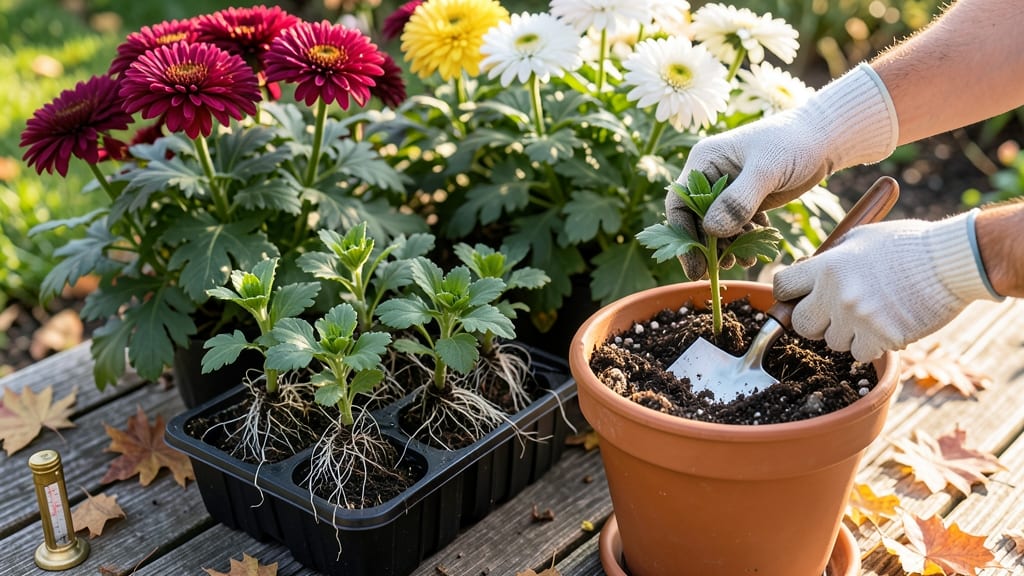
Planting mums in pots about 4-6 weeks before your first frost 🌼 is the key to vibrant blooms that last through winter.
Picture this: you’re sipping hot cider on a crisp fall evening, and your patio is bursting with color—deep reds, sunny yellows, and soft pinks—all from those same mums you planted just a few weeks earlier.
The trick? Timing it right so the roots have time to settle before the cold sets in.
Too early, and your mums will stretch and fade before winter. Too late, and frost will nip them before they even bloom. In USDA Zone 6a, that means getting them in the ground by mid-October at the latest—but regional differences mean your perfect window could be earlier or later.
Below, I’ll walk you through the exact planting schedule for your zone, plus pro tips for soil, pots, and care to keep your fall-planted mums thriving until spring.
Optimal fall planting timeline for potted mums by region
Timing is everything when planting potted mums for fall color. The key is to establish roots 4-6 weeks before frost while avoiding late-season heat stress. Different USDA zones have unique windows—plant too early, and you risk leggy growth; too late, and frost stunts blooms.
Mums thrive in cool fall temperatures between 50°F and 65°F. This range promotes root growth without overwhelming heat. Southern zones (7-10) get an extended window, while northern zones (3-6) must act quickly. Always check your local frost dates—they’re your planting deadline.
Here’s your region-specific planting schedule to maximize blooms before winter. Adjust based on your first frost date and container size—larger pots need earlier planting for root establishment.
In USDA zones 3-4, start planting late August to give mums time to root before early frosts. Use larger pots (12+ inches) to accommodate root growth. If your summers are short, opt for dwarf varieties like 'Pompon'—they bloom faster.
Zones 5-6 have the most flexibility, with mid-September as the sweet spot. This timing ensures 6-8 weeks of root establishment before frost. If you miss this window, delay planting until late September but expect smaller blooms.
Southern gardeners in zones 7-10 can push planting into early October. However, avoid late October plantings—they rarely bloom before winter. Instead, focus on winter-hardy varieties like 'Jolinda' that tolerate light frosts.
Pro tip: Test soil temperature before planting. Ideal soil temps are 60°F-70°F. If it’s cooler, wait a week or two. Cold soil slows root growth, leading to weak stems and poor blooms.
After planting, water deeply and apply a slow-release fertilizer to support root development. Place pots in morning sun to prevent evening moisture from lingering on foliage—this reduces fungal diseases like powdery mildew.
Monitor your mums for color changes in stems and buds. If they turn greenish-yellow, they’re stressed—likely from overwatering or poor drainage. Adjust care immediately to salvage blooms.
For extended winter color, move pots to a protected location (like a garage or under eaves) before hard frosts. This trick lets you enjoy mums 2-3 weeks longer than outdoor plantings.
Remember: Fall-planted mums reward patience with vibrant winter displays. Follow your zone’s timeline, prioritize root health, and soon you’ll have pots bursting with color—even when snowflakes start to fly. 🌼
Signs your mums are ready for potting and fall planting mistakes to avoid
Knowing when your mums are ready for potting is key to fall success. Look for healthy root balls that fill at least half the nursery pot—this means they’ve established strong roots.
The stems should be firm and upright, not floppy or leggy, which signals overcrowding or stress. Check for vibrant green leaves without yellowing, a sign of nutrient deficiency or disease.
Don’t skip the soil check—healthy mums thrive in well-draining, slightly acidic soil (pH 6.0-6.5). Gently squeeze the root ball: if it’s loose and crumbly, it’s ready for repotting.
If the soil feels compacted or dry, water it thoroughly 24 hours before transplanting to reduce shock. Timing matters most—plant too early, and roots won’t establish before frost.
- Planting too early (before 4-6 weeks before frost) risks weak root growth and frost damage.
- Skipping drainage holes leads to root rot—always use pots with 3+ drainage holes.
- Choosing wrong pot size: Too small stunts growth; too large causes waterlogging. Aim for 1-2 inches larger than the root ball.
Watch for bud formation—this is your final sign to pot mums. Buds indicate the plant is energized for blooming and ready to handle fall temperatures.
If buds appear before transplanting, delay potting by 1-2 weeks to avoid stress. Also, avoid fertilizing right after repotting—wait 2 weeks to let roots recover.
Another red flag is pale or yellowing leaves, which could mean nutrient deficiencies or overwatering. Before potting, give your mums a balanced fertilizer (10-10-10) to boost root and bloom health.
For containers, mix in compost or slow-release granules into the potting soil to feed roots all season. Overcrowded pots also signal it’s time to repot—if roots circle the pot, they’re root-bound and need space.
When selecting containers, prioritize material and size. Terracotta pots dry faster but crack in freeze-thaw cycles, while plastic or fabric pots retain moisture better. For standard mums, choose 12-16 inch pots; for dwarf varieties, 8-10 inch pots suffice.
Always fill pots with fresh potting mix, not garden soil, to prevent compaction and disease. 🪴
After potting, water deeply until it drains from the bottom. Place pots in a shady spot for 3-5 days to reduce transplant shock, then gradually reintroduce full sun. Mulch the surface with 2 inches of straw or pine needles to retain moisture and insulate roots as temperatures drop.
With these steps, your mums will thrive through winter and bloom beautifully. ✂️