
Plants
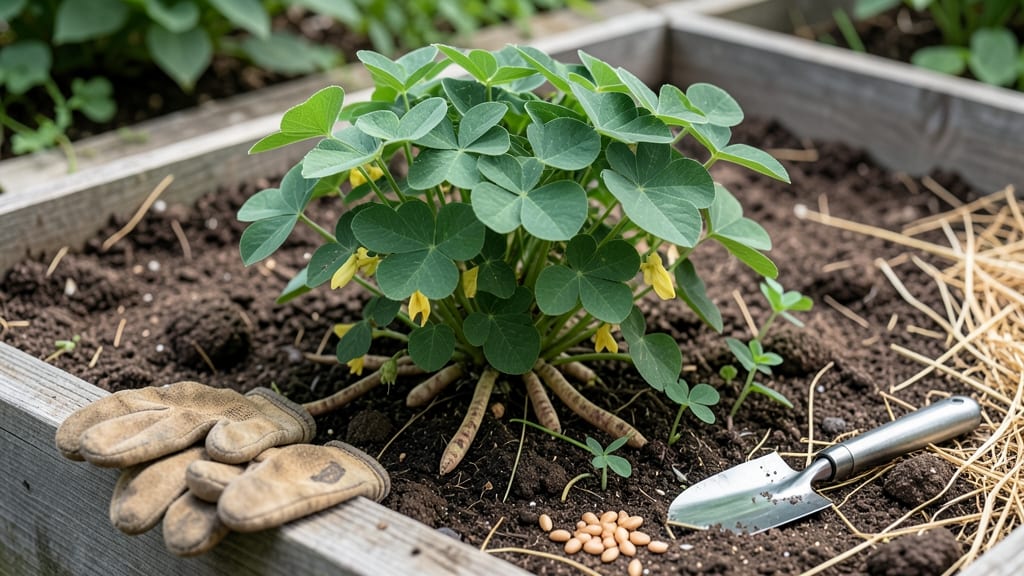
To plant peanuts in Texas, aim for April through June in most regions—when soil warms to 65°F and the last frost has passed for good.
Texas gardeners know timing is everything—plant peanuts too early, and you’ll lose them to frost; too late, and your 90-day harvest window shrinks to nothing. The secret? Matching your schedule to Texas’ unique heat zones for maximum yield and flavor.
North Texas growers should wait until after March 15, while South Texas can start as early as March 1. Central Texas lands in the sweet spot between April and May, where soil stays warm and rainfall is reliable.
Here’s how to sync your planting with Texas’ climate—plus soil prep tips, spacing tricks, and the one mistake that ruins half of all peanut harvests in the Lone Star State.
Texas heat-Zone planting calendar for peanuts (by region)
Peanuts thrive in Texas’ warm climate, but getting the timing right varies dramatically between North Texas (Zone 7b-8a), Central Texas (Zone 8b-9a), and South Texas (Zone 9b-10a).
The key is planting when soil temperatures hit 65°F (18°C) and counting backward from your first frost date to ensure a 90-day harvest window. Miss this window, and you’ll either face frost damage or a rushed harvest with poor yields.
Texas’ frost-free periods range from 240 days in North Texas to nearly year-round in South Texas, which directly impacts when you can safely plant. For example, gardeners in Dallas (Zone 8a) must wait until mid-April, while those in Houston (Zone 9a) can start as early as late February.
Below, I’ve broken down the exact planting windows for each region, including soil temperature checks and frost-free date calculations.
🌱
For North Texas gardeners, the April 15 - May 15 window is critical because soil temperatures finally stabilize above 65°F (18°C). Use a soil thermometer to confirm—peanuts won’t germinate below this threshold.
In Central Texas, you can start as early as March 1, but wait until late March if your soil is still cool. South Texas offers the longest window, but planting after April 15 risks harvests clashing with summer heat stress.
Pro tip: In Zone 8a and below, consider early-summer planting (June 1-15) for a fall harvest. This works if you’re using shorter-season varieties like Early Spanish (90 days) or Virginia-type peanuts (110 days). Just be prepared for intense heat management—peanuts need consistent moisture during pod development.
💧
One common mistake is ignoring soil type. Peanuts prefer sandy loam with good drainage. In clay-heavy soils (common in Central Texas), amend with compost or coarse sand before planting.
Also, avoid planting in low-lying areas where water pools—peanuts hate soggy roots. If your garden has poor drainage, raise beds or plant on mounds to improve airflow and root health.
In South Texas, where frost is rare, focus on heat tolerance. Varieties like Runners (e.g., Georgia Red) handle the heat better than Virginia-types. If you’re in Zone 10a, you can even plant year-round with staggered sowings every 6-8 weeks for continuous harvests.
Just monitor for peanut leaf spot or early leaf blight, which thrive in Texas’ humid summers.
🌡️
To calculate your exact planting date, subtract 90 days from your average first frost date. For example, if your frost hits November 15 (like in North Texas), plant by August 15 for a late-season harvest.
Use the Texas A&M AgriLife Extension frost map to pinpoint your local frost dates. For Central Texas, where frosts are rare, aim for June 15 as the latest planting date to avoid heat stress during pod fill.
Finally, mulch heavily after planting to retain moisture and regulate soil temperature. Straw or <
How to adjust planting dates for 90-Day harvests in Texas heat
Texas summers can turn peanuts into a gamble if you don’t adjust your planting dates. The 90-day harvest window is tight, especially in Zone 8-10 where heat spikes can accelerate growth—or stall it entirely. The key is balancing soil warmth with moisture retention to avoid bolting or drought stress.
For most Texas regions, late April to early June is ideal for peanuts, but Central Texas gardeners can push planting into early July for a fall harvest.
The trick lies in soil temperature: wait until it hits 65°F (18°C) at least 2 inches deep. Use a soil thermometer—this isn’t just a guess!
🌱 Numbered Highlights: Adjusting Planting for Texas Heat
- 1. Early-Summer Planting (April-May): Best for North/Central Texas. Plant 4-6 weeks before first 90°F+ heatwave to avoid flowering stress.
- 2. Late-Summer Planting (June-July): Works in South Texas (Zone 9b+). Choose heat-tolerant varieties like 'Early Spanish' and mulch heavily to retain moisture.
- 3. Irrigation Hacks: Use drip irrigation to deliver 1-2 inches/week at soil level—avoid wetting foliage to prevent leaf spot disease.
- 4. Heat Wave Prep: If temps hit 100°F+, provide shade cloth (30%) during peak hours and water at dawn to reduce evaporation.
- 5. Soil Prep Secret: Amend beds with compost + sand (50/50 mix) to improve drainage—peanuts hate soggy roots but need consistent moisture.
Don’t underestimate Texas’ unpredictable heat spikes. A sudden 10-day 105°F stretch can halt pod development if plants aren’t acclimated. For late-summer plantings, opt for shorter-season varieties like 'Virginia Type' (90-day maturity) and stagger plantings every 2 weeks to spread out your harvest.
Monitor leaf color as your best indicator: yellowing leaves mean it’s time to reduce watering slightly (peanuts need less as pods mature), while wilting in heat signals you’re not watering deeply enough. Aim for 1-2 inches of water per week, delivered slowly to encourage deep root growth.
Pro tip: Use black plastic mulch to warm soil faster in spring or straw mulch in summer to retain moisture. This simple trick can shave 10-14 days off your growing season—critical when every day counts in Texas heat.
Remember, harvest timing isn’t just about days after planting—it’s about pod maturity. Dig up a few peanuts when leaves yellow and check for plump, papery shells. If they’re still soft, wait a week.
Don’t let first frost catch you off guard—North Texas peanuts need to be in the ground by early August for a fall harvest. 🥜