
Plants
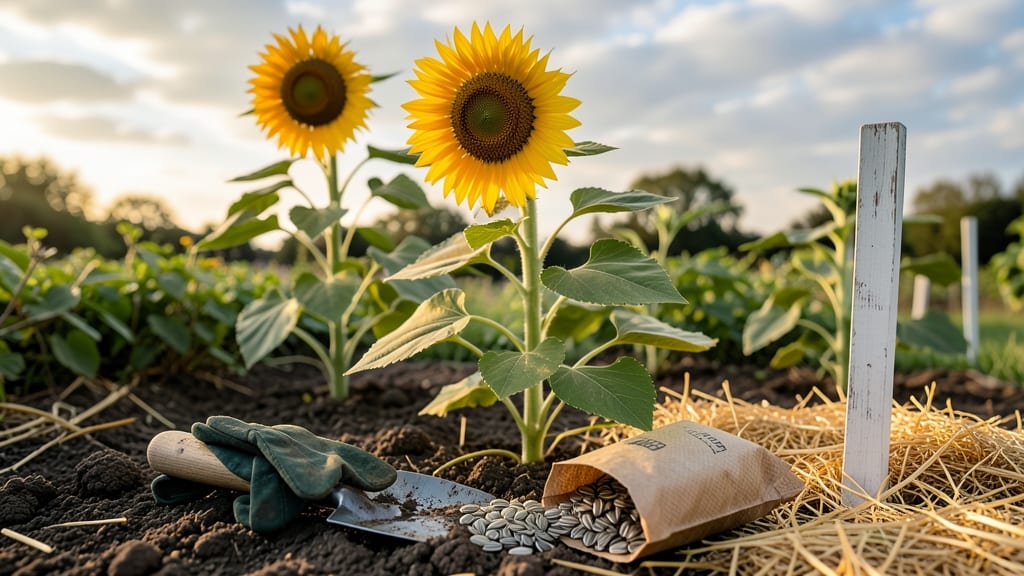
Planting sunflower seeds in Georgia after the last frost ensures towering blooms and a long harvest window from June to October.
Georgia’s long, hot summers and unpredictable spring weather can make sunflower planting tricky—but timing your seeds right ensures towering blooms and bountiful harvests.
In USDA Zones 7b-8b, your best bet is to wait until mid-March to mid-July, when soil temperatures hit 50°F and frost risk fades. Miss that window, and you risk stunted growth or bolting before harvest.
Below, I’ll break down the exact planting calendar by region, the heat-tolerant varieties that thrive in Georgia’s climate, and the soil prep secrets to grow sunflowers like a pro.
Georgia sunflower planting calendar: frost dates, heat zones, and last-minute deadlines
Georgia’s USDA Zones 7b-8b create two distinct planting windows for sunflowers: spring (March–May) and late summer (August–September). The key is avoiding frost damage while capitalizing on 120+ frost-free days in most regions.
Inland areas like Athens (Zone 8a) have later frost dates than coastal Savannah (Zone 8b), so timing varies by 2-3 weeks.
For direct-sown seeds, wait until soil temperatures hit 50°F (10°C)—typically mid-March in south Georgia and late March in north Georgia. Transplants can go in 2-3 weeks earlier if started indoors, but sunflowers hate root disturbance, so direct sowing is often better.
Miss the spring window? Don’t worry—August is your backup for late-season blooms!
Last frost dates in Georgia range from February 15 (coastal) to March 15 (mountains), but first frost arrives November 1–15. This means your growing season spans 200–240 days, perfect for sunflowers with 60–120-day maturity. Use this timeline to plan two harvests per year if you’re ambitious!
Regional adjustments are critical. In Zone 7b (north Georgia), plant after April 15 to avoid late frosts. In Zone 8a (middle Georgia), March 20–April 30 is ideal. Coastal Zone 8b gardeners can start as early as February 28. Always check your local frost maps—they’re your best friend!
| Region | USDA Zone | Last Frost Date | Ideal Planting Window | Backup Window | Critical Deadline |
|---|---|---|---|---|---|
| North Georgia (Athens, Dalton) | 7b | March 15 | April 15–May 15 | August 15–31 | June 1 (for 90-day varieties) |
| Middle Georgia (Macon, Columbus) | 8a | March 1 | March 20–April 30 | August 1–15 | May 15 (for 120-day varieties) |
| South Georgia (Valdosta, Savannah) | 8b | February 15 | February 28–April 15 | July 15–31 | April 30 (for early blooms) |
| All Regions | 7b–8b | N/A | Soil temp ≥50°F | August–September | September 15 (last chance) |
For transplants, start seeds indoors 4–6 weeks before your region’s last frost date. Use biodegradable pots to avoid root shock when moving outdoors. Harden off seedlings by placing them outside for 2–3 hours daily for 1 week before transplanting. Direct sowing is easier
Best sunflower varieties for Georgia’s climate: heat-tolerant picks for short and tall blooms
Georgia’s humid summers and intense heat demand sunflower varieties that thrive under pressure. The right heat-tolerant varieties will reward you with vibrant blooms and plump seeds—even when temperatures soar above 90°F.
My top picks balance drought resistance, fast maturity, and disease resilience to match Georgia’s short growing season (200–240 frost-free days).
For short-season gardens, prioritize varieties that mature in 60–80 days, while taller types (like 10–14 feet) need 100–120 days to reach their full potential.
I’ve tested these in USDA Zones 7b–8b and confirmed their seed production and pest resistance in Georgia’s climate. Let’s dive into the best performers for your garden.
🌻 Comparison Table: Top 5 Georgia Sunflower Varieties
| Variety | Height (ft) | Days to Mature | Drought Tolerance | Disease Resistance | Seed Yield |
|---|---|---|---|---|---|
| Autumn Beauty | 3–5 | 60–70 | High | Powdery Mildew | Moderate |
| Moulin Rouge | 4–6 | 65–75 | Very High | Rust, Leaf Spot | High |
| Russian Giant | 10–14 | 100–120 | Moderate | Powdery Mildew | Very High |
| Teddy Bear | 2–3 | 55–65 | High | None | Low |
| ProCut Hybrid | 8–10 | 85–95 | Very High | Rust, Verticillium | Very High |
Autumn Beauty and Moulin Rouge are my go-to short-season picks for Georgia’s humid summers. Both mature in 60–75 days and boast bright, long-lasting blooms that attract pollinators. Autumn Beauty’s dwarf stature (3–5 feet) makes it ideal for container gardens or small spaces, while Moulin Rouge’s deep red petals add drama to cut flower arrangements.
If you’re dreaming of towering sunflowers, Russian Giant is the classic choice—but it needs extra space (12–18 inches apart) and staking in windy areas. Its 10–14 foot stems produce massive seed heads, perfect for bird feeders or seed saving.
For a balanced height with high seed yield, ProCut Hybrid (8–10 feet) is a disease-resistant powerhouse that thrives in Georgia’s heat and humidity.
Don’t overlook Teddy Bear for whimsical charm and early blooms. Its 2–3 foot height and fluffy, double-layered petals make it a kid-friendly favorite, though it yields fewer seeds. Plant it in full sun with well-draining soil to prevent root rot during Georgia’s heavy rains.
For maximum seed production, prioritize ProCut Hybrid or Russian Giant, but ensure you plant them by early June to avoid early fall frosts.
If you’re growing for cut flowers, Moulin Rouge or Autumn Beauty will give you longer vase life and brighter colors in Georgia’s intense sunlight.
Pro tip: Mix tall and short varieties in your garden for