
Plants
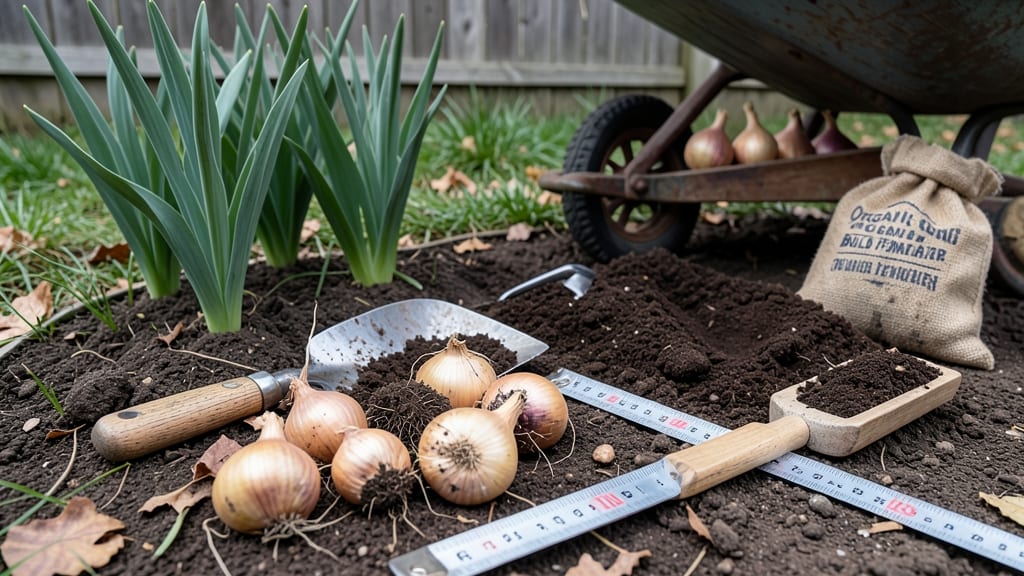
Planting tulip bulbs in Kentucky between October and November is the key to vibrant spring blooms that defy the Bluegrass State’s fickle weather.
Timing is everything when planting tulip bulbs in Kentucky—plant too early or too late, and your vibrant spring blooms might never appear. Mastering the frost-free window and soil temperature rules ensures your tulips thrive despite Kentucky’s unpredictable climate.
In USDA Zone 6a, the ideal window is 4-6 weeks before the ground freezes, typically mid-October through early November. Soil should be cool but workable (40-50°F), and bulbs need 6-8 inches of depth to root before winter sets in.
Below, I’ll walk you through how to time your planting for Kentucky’s climate, adjust for late frosts, and protect your bulbs with mulch—so you can enjoy April-May blooms year after year.
Kentucky’s ideal tulip planting window: frost-free dates & soil temperature guide
Planting tulip bulbs in Kentucky requires perfect timing—too early, and they’ll rot in warm soil; too late, and they won’t root before winter. The ideal window is October through November, when soil temperatures drop to 40-50°F and ground freezes approach.
This aligns with Kentucky’s USDA Zones 6-7, where first frost typically arrives November 1 and lasts until April 15.
For reliable results, aim to plant 4-6 weeks before your average first frost date. In most of Kentucky, this means mid-October to early November.
Check your local frost-free date calculator—many Kentucky counties average 165 frost-free days, but microclimates (like urban heat islands) can shift this by 1-2 weeks.
Soil temperature is the secret weapon for success. Tulip bulbs need cool soil (40-50°F) to trigger root growth before dormancy. Use a soil thermometer to confirm—if temps stay above 50°F for more than a week, roots won’t form properly.
In southern Kentucky (Zone 7), plant by mid-October; in northern Kentucky (Zone 6), you have until early November.
| Timing Factor | Kentucky Specification | Actionable Tip |
|---|---|---|
| First Frost Date | November 1 (Zone 6-7) | Plant 4-6 weeks before frost |
| Soil Temperature | 40-50°F (critical range) | Use a soil thermometer to verify |
| Ideal Planting Window | Mid-October to early November | Adjust 1 week earlier in Zone 7 |
| Late Planting Risk | Roots won’t establish before freeze | Plant by November 10 at latest |
| Early Planting Risk | Bulbs may sprout too early | Avoid planting before September 15 |
Kentucky’s climate throws curveballs, so flexibility is key. If unseasonably warm fall weather delays cooling, wait until soil temps drop naturally. Conversely, if an early frost looms before your planting window, prioritize sheltered, south-facing beds—they warm up faster in spring.
Pro tip: Mulch with straw after planting to insulate bulbs from temperature swings.
Don’t stress over exact dates—focus on soil conditions. Healthy tulip bulbs should go into cool, well-draining soil that’s 6-8 inches deep. Sandy loam (common in Kentucky) drains well, but amend clay soil with compost or perlite to prevent waterlogged roots.
Test your soil’s drainage by digging a hole: if water pools after 6 hours, improve drainage first.
For urban gardeners, microclimates matter. Areas near concrete or pavement stay warmer longer, while wooded edges cool faster. If your yard has hot spots, plant tulips in shadier microclimates or use black plastic mulch to absorb heat and speed up soil cooling.
This trick buys you 1-2 extra weeks in warm microclimates.
What if you miss the window? Late plantings can still work if you protect bulbs with mulch and choose early-blooming varieties (like Fosteriana tulips). These cold-hardy types tolerate late planting better than fancy hybrids.
Just remember: no roots by freeze = no blooms next spring. The 40-50°F soil rule is non-negotiable for root establishment.
After planting, mark your tulip beds with flags—Kentucky’s winter snow cover can obscure locations. In spring, resist the urge to fertilize too early; tulips need light feeding in March (use a 5-10-10 balanced fertilizer) to encourage blooms. Over-fertilizing now sends energy to leaves, not flowers.
Mastering Kentucky’s tulip timing takes practice, but the payoff is vibrant spring blooms that outshine even the Bluegrass’s wildflowers. Start with one test bed, track your local frost dates, and adjust yearly. Soon, you’ll have a foolproof system for tulips that thrive despite Kentucky’s whims. 🌷
How to adjust tulip planting for Kentucky’s unpredictable weather patterns
Kentucky’s unpredictable freezes and thaws can turn tulip planting into a high-stakes game of chance. While October-November is ideal, late plantings or early frosts can still yield beautiful blooms with the right adjustments. The key lies in soil moisture management and protective mulching to shield bulbs from temperature swings.
When late plantings become necessary, focus on soil temperature rather than calendar dates. Tulip bulbs need 40-50°F soil to root properly. Use a soil thermometer to confirm readiness—if temps drop below freezing before roots establish, your bulbs may rot or fail to bloom next spring.
Early vs. Late Tulip Planting in Kentucky
Early Planting (September-October)
- Pros: Bulbs establish roots before winter
- Pros: Higher chance of blooming next spring
- Cons: Risk of rot if soil stays wet
- Cons: May sprout too early in mild winters
Late Planting (November-December)
- Pros: Lower risk of early sprouting
- Pros: Bulbs stay dormant until spring
- Cons: Need extra mulch for insulation
- Cons: May not bloom as strongly first year
For late plantings, prioritize well-draining soil and mulching. Apply a 4-inch layer of straw or shredded leaves after planting to insulate bulbs. In USDA Zone 6a, where Kentucky falls, late plantings can succeed if bulbs are covered by December 1st—just add extra mulch to prevent heaving.
If early frosts threaten, use row covers or frost blankets to protect newly planted bulbs. These lightweight fabrics trap heat without smothering the soil. Remove them during the day to prevent moisture buildup, which can lead to fungal issues like bulb rot.
Watering strategy is critical during Kentucky’s erratic weather. After planting, give bulbs a deep soak to encourage root growth, then reduce watering to prevent soggy soil. Once frozen ground arrives, stop watering entirely—bulbs need dry dormancy to survive winter.
Mulching isn’t just for winter; it also helps regulate soil temperature in spring. Remove mulch in late winter (February) to allow soil to warm, signaling bulbs to sprout. This timing ensures tulips bloom when daytime temps consistently stay above 50°F.