
Size
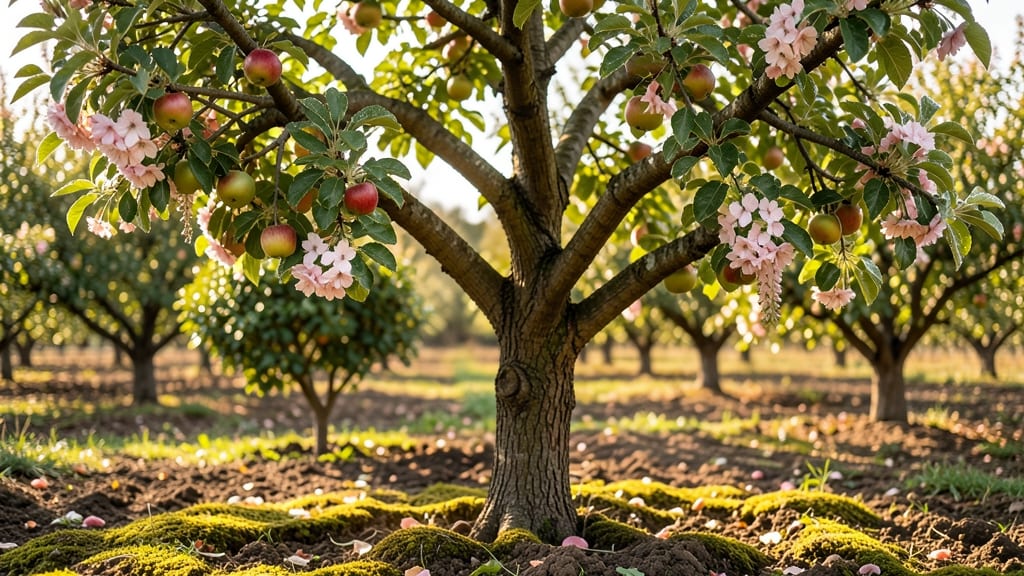
Apple trees can grow anywhere from 8 feet to towering 30 feet tall, depending on the variety and care you provide—so your backyard’s space (and your pruning skills) will dictate which one you choose.
Wondering whether your backyard can accommodate a towering apple tree 🍎 or if a compact dwarf variety is your best bet? The height of an apple tree can dramatically impact your harvest—and your landscape—so choosing the right size is key.
Dwarf varieties stay under 12 feet, making them perfect for small gardens or even containers, while standard trees can reach the height of a two-story house. But don’t let size fool you—even the smallest apple tree needs the right soil, sunlight, and pruning to thrive.
In this guide, I’ll break down the height ranges of dwarf, semi-dwarf, and standard apple trees, plus the pruning secrets to keep your tree at your ideal height—without sacrificing fruit production.


Apple tree height ranges: dwarf to standard to giant varieties explained
Choosing the right apple tree height is crucial for both your harvest success and landscape planning. Whether you have a small urban yard or a spacious rural plot, understanding the mature height of apple trees helps you select the perfect variety.
From dwarf varieties that stay under 10 feet to standard trees reaching 30 feet, each size category offers unique benefits for fruit production and space management.
Apple trees are often categorized into four main height ranges: dwarf, semi-dwarf, standard, and giant. These classifications aren’t just about aesthetics—they directly impact fruit yield, pruning requirements, and even pollination needs.
For example, dwarf trees produce fruit faster but may require more frequent pruning, while standard trees take longer to bear fruit but offer larger harvests over time.
Here’s a quick breakdown of what to expect from each category, including ideal spacing and growth characteristics to help you decide which size fits your space and goals.
Dwarf apple trees are the smallest option, typically reaching 6–12 feet at maturity. These varieties are perfect for containers or urban gardens where space is limited. They fruit quickly—often within 2–3 years—and require minimal pruning.
However, their smaller size means fewer apples per tree compared to larger varieties. Popular dwarf varieties include 'Columnar' and 'Malling' series apples, which are bred to stay compact while still producing abundant fruit.
Semi-dwarf apple trees strike a balance, growing 12–18 feet tall and offering a compromise between size and yield. They’re ideal for backyard orchards and require slightly more space than dwarfs but less than standard trees.
Semi-dwarfs often bear fruit within 3–5 years and are easier to manage than their taller counterparts. Varieties like 'Liberty'
Best apple tree varieties by height: which one fits your space?
Choosing the right apple tree variety depends entirely on your space and gardening goals. If you have limited room, a dwarf apple tree can thrive in containers or small yards, while larger varieties need spacious landscapes.
Let’s explore the best options for every space—from urban balconies to sprawling orchards—so you can pick a variety that fits perfectly.
For small spaces, columnar apple trees like 'Columnar Red' or 'Columnar Golden Delicious' grow just 6-8 feet tall but produce abundant fruit. These varieties are ideal for containers or narrow gardens because they grow vertically without spreading wide.
In contrast, standard apple trees like 'Granny Smith' or 'Fuji' can reach 20-30 feet, making them better suited for rural properties or large backyards.
If you’re working with a moderate-sized yard, consider semi-dwarf varieties like 'Honeycrisp' or 'Gala'. These trees typically grow 12-16 feet tall and are perfect for backyard orchards where you want a balance of space and productivity.
They also produce larger fruit yields compared to dwarf varieties, making them a great compromise for many gardeners.
For large properties or orchards, standard apple trees like 'Granny Smith' or 'Fuji' are excellent choices. These trees can reach 20-35 feet tall and require ample space to spread their branches.
They’re ideal for commercial orchards or gardeners with expansive land who want a classic apple tree experience. Just be prepared for regular pruning to manage their height and shape.
When selecting a variety, also consider disease resistance and climate suitability. For example, 'Honeycrisp' thrives in cooler climates (Zones 4-7) and has strong resistance to apple rust, while 'Granny Smith' prefers warmer zones (7-10) and is more susceptible to powdery mildew.
Always check the USDA hardiness zone for your area to ensure your chosen variety will flourish.
No matter which size you choose, remember that proper care—like regular pruning, adequate sunlight, and well-draining soil—will help your apple tree reach its full potential. With the right variety and a little TLC, you’ll be enjoying homegrown apples in no time! 🍎