
Size
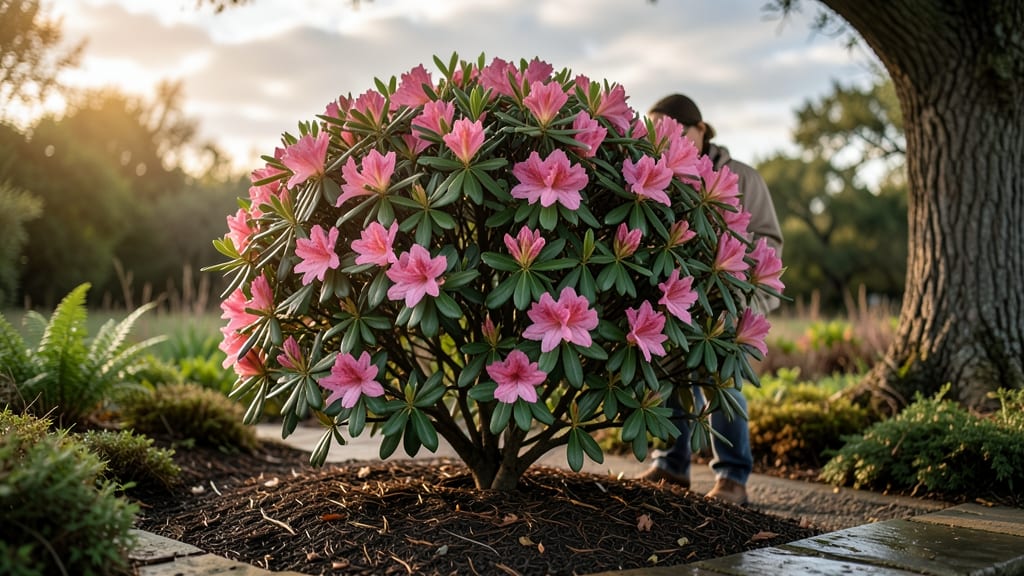
Azaleas can grow anywhere from 1 to 12 feet tall depending on the variety, making them one of the most versatile shrubs for any garden or landscape.
Picture this: your dwarf azalea 🌸 spilling over a window box, while a neighboring giant variety towers over your porch like a living sculpture. The difference in size isn’t just about aesthetics—it’s about the right variety for your space and the care you provide.
Evergreen azaleas, like the popular 'Girard's Pink,' typically stay between 3 and 6 feet, while deciduous types can stretch up to 12 feet if left unpruned. The key to managing their height lies in understanding your climate, soil, and pruning habits.
In this guide, I’ll break down the height ranges by type, share pruning secrets to keep them compact, and recommend the best varieties for small spaces or bold landscaping statements.


Azalea height guide: dwarf to giant varieties explained by type
When planning your garden, azalea height can make all the difference between a charming border plant and a stunning focal point. These shrubs grow anywhere from 1 foot to over 12 feet, depending on the variety and growing conditions.
Understanding these differences helps you choose the perfect azalea for your space, whether you need a window box accent or a privacy hedge.
Azaleas are generally divided into two main categories: evergreen and deciduous. Evergreen varieties like Rhododendron often stay compact, while deciduous types can grow taller. The key to managing their height lies in selecting the right variety for your garden's layout and your pruning habits.
Let's explore how these stunning shrubs can fit into your outdoor vision.
Here's a quick reference for azalea height ranges by type, so you can visualize how they'll look in your garden:
Dwarf azaleas like 'Little Jim' reach just 2-3 feet tall, making them perfect for container gardening or rock gardens. These varieties grow slowly, so they won't outgrow their space quickly.
Their compact size also makes them ideal for urban gardens where space is limited. The 'PJM' variety, for example, stays under 3 feet and blooms prolifically in spring.
For medium-sized gardens, semi-dwarf varieties like 'Girard's Pink' offer the best of both worlds. These azaleas typically grow between 3-6 feet, providing ample blooms without overwhelming your landscape. They work beautifully as foundation plantings or hedge rows, offering year-round interest with their glossy foliage and vibrant flowers.
Their moderate height makes them versatile for various garden designs.
When you need a statement-making shrub, standard evergreen azaleas like 'Catawbiense' deliver stunning height and drama. These varieties can reach 8-12 feet tall, creating natural privacy screens or focal points in your garden.
Their upright growth habit makes them excellent choices for woodland gardens or shady borders. Just be prepared for their mature size when planning your garden layout.
Deciduous azaleas often grow the tallest, with some varieties like 'Hino Crimson' reaching 10-15 feet. These azaleas lose their leaves in winter but offer spectacular spring blooms. Their fast growth rate means they'll fill space quickly, making them ideal for quick privacy solutions or large landscape features.
The 'Knock Out' series, while slightly shorter at 6-10 feet, is particularly popular for its disease resistance and continuous blooming habit.
Remember that azalea height can be influenced by growing conditions. Well-draining, acidic soil and partial shade help maintain their natural growth patterns, while rich, fertile soil may encourage faster (and sometimes taller) growth.
Regular pruning can also help control height, especially for varieties prone to becoming too tall for your space.
For garden planning, always consider the mature height of your chosen azalea variety. Planting too close to structures or other plants can lead to competition for nutrients and light, potentially stunting growth or causing health issues.
When in doubt, give your azaleas room to grow to their full potential while maintaining the balance you want in your garden design.
Whether you're dreaming of a whimsical cottage garden with dwarf azaleas or a grand woodland retreat featuring towering varieties, understanding azalea height helps you create the perfect outdoor space tailored to your vision.
With the right variety and proper care, your azaleas will thrive and become the star of your garden for years to come.
How to control azalea height: pruning and care tips for compact growth
If you're dreaming of a neatly trimmed azalea hedge or a compact container plant, controlling height is all about timing and technique. Azaleas grow vigorously when conditions are ideal, but with the right pruning schedule and soil management, you can guide their growth to match your space.
The key is understanding when to prune—right after flowering is critical to avoid cutting off next year's blooms.
For dwarf varieties, like 'Little Devil' or 'P.J.M.', growth rarely exceeds 3 feet tall, making them perfect for window boxes or patio planters. Meanwhile, standard types like 'Girard's Rose' or 'Formosa' can reach 10+ feet if left unchecked.
The good news? Even tall varieties respond well to seasonal pruning and root restriction techniques to keep them in check.
Azaleas can grow up to 12 feet in ideal conditions, but most home garden varieties mature between 3-8 feet. Dwarf types stay under 3 feet, while standard shrubs reach 6-12 feet. Pruning right after blooming (late spring) prevents overgrowth while preserving next year's flowers.
Start with light pruning in early spring to shape your azalea and remove dead or crossing branches. Use clean, sharp pruners to make cuts just above a leaf bud or lateral branch.
For dwarf varieties, a harder prune (cutting back 1/3 of the plant) in early spring can encourage bushier growth. Just avoid heavy pruning in fall—this can stimulate tender new growth that won't survive winter.
For root-bound azaleas in containers, root pruning is a game-changer. Gently loosen the roots with your fingers or a clean knife when repotting to encourage a more compact root system. Pair this with well-draining, acidic soil (pH 4.5-6.0) and a slow-release fertilizer to limit excessive top growth.
Over-fertilizing with high-nitrogen feeds can lead to leafy but leggy growth, so opt for a balanced 10-10-10 formula instead.
Seasonal adjustments also play a role. In summer, reduce watering slightly to slow growth, but keep the soil consistently moist (not soggy). Mulch with pine bark or wood chips to retain moisture and acidify the soil naturally.
In winter, protect young or newly pruned azaleas from freezing winds with a burlap wrap or evergreen boughs. This helps them focus energy on root development rather than top growth in spring.
If your azalea is already too tall, don't panic. Gradual pruning over 2-3 years is safer than drastic cuts. For example, reduce height by 1/3 each year until you reach your desired size. Combine this with annual shaping prunes in late spring to maintain a balanced, bushy form.
With patience and consistency, even a 10-foot azalea can be tamed into a manageable 6-foot shrub—perfect for framing a doorway or adding height to a mixed border.