
How To
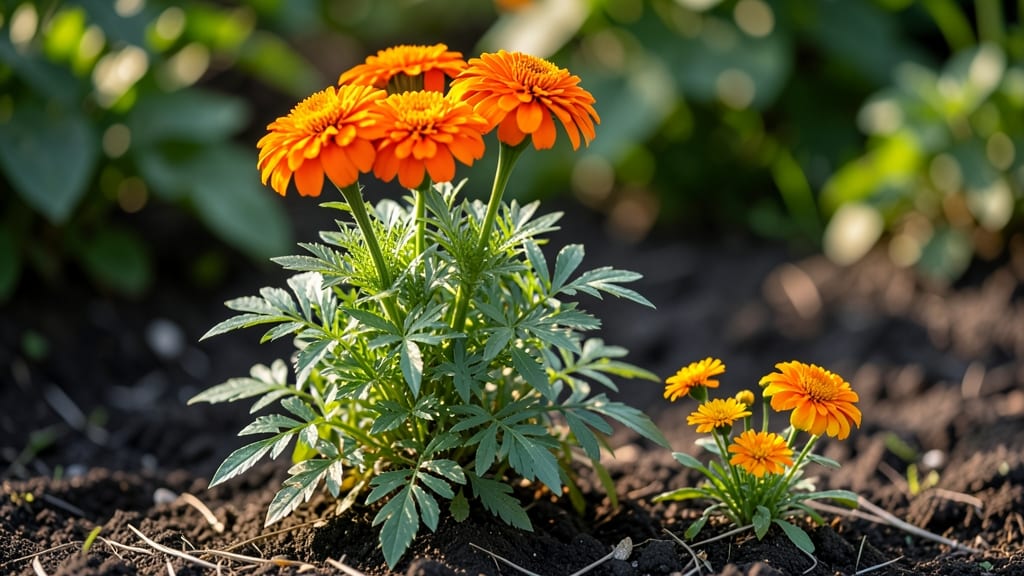
Marigolds grow between 6 inches and 4 feet tall, depending on the variety you choose—so yes, they can fit in a tiny pot or dominate a border with equal ease.
Picture this: your 6-inch dwarf marigolds spilling over a window box, their bright blooms catching every passerby’s eye, while a 4-foot giant stands sentinel in the garden bed, drawing pollinators like a magnet.
The same sun-loving plant can play both roles, which makes marigolds one of the most adaptable flowers for gardeners with limited space—or big dreams.
But here’s the catch: not all marigolds are created equal. A French marigold might top out at 2 feet, while a Mexican marigold could stretch to 3 feet or more. Sunlight, soil quality, and even how you prune them can tweak their height by a foot or two.
The right variety for your garden layout could mean the difference between a crowded mess and a showstopping display.
In this guide, I’ll break down the height ranges of popular marigold types, share tips for controlling their growth, and help you pick the perfect variety for your space—whether you’re dreaming of a container garden or a bold border that steals the show.


Marigold height ranges: from tiny to towering varieties
Marigolds are one of the most adaptable flowers in your garden, offering a stunning range of heights that can transform any space. From 6-inch dwarf varieties perfect for window boxes to 4-foot giants that create dramatic borders, these sun-loving plants give you endless design possibilities.
The height you achieve depends on the variety you choose, along with factors like sunlight exposure and soil conditions.
Understanding marigold height ranges helps you plan your garden layout effectively. Dwarf varieties thrive in containers and small gardens, while tall varieties make excellent backdrop plants. Even within these categories, growth habits vary—some stay compact naturally, while others stretch toward the sun if given the chance.
Let’s explore the specific height ranges and how to maximize (or control) their growth potential.
🌱 Key Insight: Most marigolds reach their mature height within 60-90 days of planting, but their final size depends heavily on sunlight and spacing. Full sun exposure (6-8 hours daily) encourages taller growth, while partial shade can keep them more compact.
The dwarf marigolds (6–12 inches) are ideal for gardeners with limited space. Varieties like 'Tangerine Gem' stay under 8 inches tall, making them perfect for window boxes or hanging baskets.
These compact plants also thrive in partial shade, which can slightly reduce their height if your garden lacks full sun exposure.
For medium-height marigolds (1–2 feet), you’ll find the perfect balance between drama and manageability. 'French Vanilla' is a fan favorite for its creamy petals and bushy growth habit, while 'Gold Rush' adds a vibrant yellow splash. These varieties work beautifully in pollinator gardens or as edging plants along walkways.
If you’re dreaming of towering marigolds (2–4 feet), 'Petite Bonanza' and 'Crackerjack' are your best bets. These varieties reach their impressive heights when given full sun and proper spacing.
Plant them at the back of borders or in large containers to showcase their striking blooms. Just be prepared to stake taller varieties in windy areas to prevent flopping.
Soil quality plays a surprising role in marigold height. Well-draining, nutrient-rich soil encourages healthier root systems, which in turn supports taller growth. Amend your garden beds with compost or aged manure before planting to give your marigolds the best start.
Overly fertile soil can sometimes lead to excessive foliage growth at the expense of flowers, so aim for a balanced approach.
Spacing is another critical factor. Dwarf varieties need about 6–8 inches apart, while tall marigolds should have 12–18 inches of space to prevent competition for sunlight and nutrients. Crowding can stunt growth and increase the risk of pests or diseases, so plan your layout carefully.
Pro tip: If you’re growing marigolds in containers, choose the dwarf or medium varieties to avoid overcrowding. A 12-inch pot can comfortably hold 3–5 dwarf marigolds, while larger containers (18+ inches) can accommodate medium-height varieties. Always ensure your containers have drainage holes to prevent root rot.
🌻 Final Thought: Marigolds are remarkably adaptable, but their height potential is directly tied to their growing conditions. Whether you’re aiming for a low-maintenance window box or a dramatic garden backdrop, choosing the right variety and providing optimal care will help you achieve the perfect height for your vision.
How to control marigold height naturally (pruning, pinching, and spacing tips)
Marigolds can grow anywhere from 6 inches to 4 feet tall, but their height isn't set in stone—you can shape them with simple techniques. Whether you want compact container plants or tall border giants, natural methods like pruning, pinching, and proper spacing give you full control.
The key is timing: act early in the season to guide growth before stems harden.
For dwarf varieties, like 'Tangerine Gem' or 'Baby Ball,' focus on pinching back the tips when they reach 6-8 inches tall. This encourages bushier growth and prevents leggy stems.
For tall varieties, such as 'Jumbo' or 'Crackerjack,' prune selectively to maintain structural strength while promoting more blooms. Both methods work best when applied consistently.
Here’s a step-by-step guide to managing marigold height naturally, from planting to harvest:
Step-by-Step Height Control for Marigolds
-
Step 1: Choose the Right Variety
Select dwarf (6-12 in) or tall (2-4 ft) varieties based on your space. Dwarf types like 'French Vanilla' thrive in containers or window boxes, while tall types like 'African Sunset' suit backyard borders. -
Step 2: Plant with Proper Spacing
Space dwarf marigolds 6-8 inches apart to prevent crowding, while tall varieties need 12-18 inches for airflow and sunlight. Overcrowding leads to leggy, weak stems. -
Step 3: Pinch Back Early
When seedlings reach 4-6 inches tall, pinch off the top set of leaves to encourage branching. Repeat every 2-3 weeks for bushier growth. This works best in spring and early summer. -
Step 4: Prune Selectively
Remove spent blooms regularly to redirect energy to new growth. For tall varieties, trim 1/3 of the stem after flowering to promote a second flush of blooms and prevent top-heaviness. -
Step 5: Fertilize Lightly
Use a balanced fertilizer (5-10-10) every 4-6 weeks to support steady growth without excessive height. Over-fertilizing can lead to tall, floppy stems with fewer blooms. -
Step 6: Mulch for Support
Apply 2-3 inches of mulch around the base to retain moisture and stabilize stems. This reduces the risk of wind damage in tall varieties and keeps dwarf types compact. -
Step 7: Monitor Sunlight
Ensure 6-8 hours of full sun daily. Inadequate light causes stretched, leggy growth, while too much direct sun can stress dwarf varieties. Adjust placement as needed.
Leggy stems are a common issue, but they’re easily prevented. If you notice tall, thin stems with sparse leaves, it’s a sign of overcrowding or insufficient light.
Thin out plants immediately and move them to a sunnier spot. For container-grown marigolds, rotate pots weekly to ensure even sunlight exposure on all sides.
Pruning isn’t just about height control—it also boosts flower production. By removing deadheading (spent blooms) and pruning leggy growth, you encourage the plant to focus energy on producing more vibrant flowers. This is especially useful for tall varieties used in cut-flower arrangements, as it extends their blooming season.
Remember, marigolds are resilient, and even if you skip a pruning session, they’ll bounce back. The key is consistency—pinch early, prune regularly, and space properly—and your marigolds will reward you with perfectly proportioned growth all season long. 🌼