
Trees
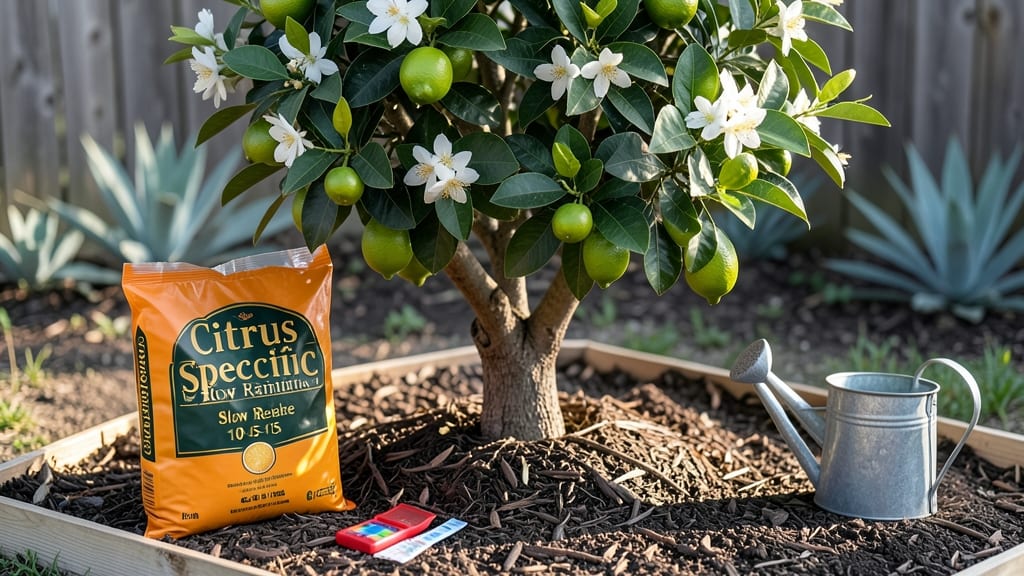
The best time to fertilize fruit trees in California is during late winter dormancy, when the soil warms and buds begin to swell — a window that can stretch from February to early March depending on your microclimate.
Picture this: you’ve spent months pruning, mulching, and waiting for the right moment, only to realize too late that your trees missed their prime feeding window. California’s Mediterranean climate makes timing everything — one wrong move and you’re either stunting growth or inviting pests with overzealous feeding.
This isn’t just about throwing fertilizer on the ground. The science of dormancy — chill hours, soil temperature, and bud swell — dictates when trees are primed to absorb nutrients.
Get it wrong, and even the best organic blends won’t help. But nail it, and you’ll see stronger roots, bigger blooms, and healthier fruit by harvest season.
In this guide, I’ll walk you through the exact timing for California’s coastal vs. inland zones, the best fertilizers for citrus vs. stone fruit, and how to spot the signs your trees are ready. No guesswork — just proven strategies to maximize your yield.

California’s ideal fruit tree fertilizing timeline: late winter dormancy explained
Understanding late winter dormancy is key to fertilizing fruit trees in California. This is when trees break bud dormancy after accumulating enough chill hours—typically between 300-800 hours below 45°F, depending on the variety.
Coastal regions like San Francisco may need fewer chill hours than inland areas like Sacramento, shifting timing by 2-4 weeks.
Fertilizing too early can stress trees still recovering from winter, while waiting too long misses the critical root flush that fuels spring growth. The goal? Apply nutrients when roots are active but top growth hasn’t started yet.
This window—often February to early March—aligns with bud swell, the stage where trees prepare to bloom.
Soil temperature also matters. Roots stay dormant below 50°F, but warm up quickly in California’s Mediterranean climate. Use a soil thermometer to confirm 55-60°F—the sweet spot for nutrient absorption. Coastal areas hit this mark earlier, while inland regions may wait until late March.
Here’s how California’s microclimates affect timing:
| Region | Chill Hours Needed | Optimal Fertilizing Window | Key Trigger |
|---|---|---|---|
| Coastal (e.g., LA, SF) | 300-500 hrs | Late Jan–Feb | Bud swell (pink buds) |
| Inland Valleys (e.g., Central Valley) | 600-800 hrs | Feb–early March | Soil temp ≥55°F |
| Desert (e.g., Palm Springs) | 200-400 hrs | Dec–Jan | First blooms appear |
Dormancy isn’t just about cold—it’s a three-stage process:
- Deep dormancy: Trees rest after harvest (Nov–Jan). Fertilizing here wastes nutrients.
- Rest-to-growth transition: Chill hours satisfied (Jan–Feb). Roots wake up but tops stay dormant—ideal for fertilization.
- Active growth: Buds burst (March+). Focus on foliar sprays or light root feeds.
During the rest-to-growth transition, trees prioritize root development over top growth. This is why late-winter fertilization works: nutrients fuel root expansion, which later supports fruit production.
For example, citrus trees in Riverside absorb phosphorus best in February, while peach trees in Fresno need nitrogen by early March.
Watch for bud swell—when buds plump up but haven’t opened. This signals the tree’s metabolic shift from storage to growth. Pair this with a soil test to check pH (ideal: 6.0-7.0 for most fruit trees). If your soil is alkaline (pH >7.5), amend with elemental sulfur before fertilizing.
Pro tip: Split your late-winter feed into two applications. Start with a low-nitrogen fertilizer (e.g., 5-10-10) when buds swell, then follow up with a balanced blend (e.g., 10-10-10) 3 weeks later. This mimics natural nutrient uptake patterns and reduces burn risk.
Mistakes like fertilizing during heatwaves or after first blooms can lead to blossom drop or pest infestations. Always water deeply 24 hours before and after applying fertilizer to help roots absorb nutrients. In drought-prone areas, use slow-release fertilizers to prevent leaching.
For young trees (1-3 years), halve the recommended dose—they’re still establishing roots and don’t need heavy feeding. Mature trees (5+ years) can handle full-strength applications, but spread fertilizer 6 inches from the trunk and 2 inches deep to avoid root damage.
Best fertilizers for California fruit trees: organic vs. synthetic options by tree type
Choosing the right fertilizer for your California fruit trees depends on the tree type and your gardening goals. Citrus trees thrive with nitrogen-rich blends, while stone fruits like peaches need potassium for sweetness. Nut trees benefit from phosphorus-heavy fertilizers to boost shell development.
Organic options like compost and worm castings build soil health over time, while synthetic blends provide immediate nutrient boosts.
Your tree type determines the best fertilizer approach. Citrus trees prefer balanced 6-6-6 or 8-3-9 blends, while stone fruits respond well to 10-10-10 formulas. Nut trees like walnuts and almonds need higher phosphorus levels (e.g., 5-10-10) for strong root and shell development.
Organic options like compost or fish emulsion work well for all types but require more frequent applications.
Slow-release fertilizers like osmocote or coated urea provide steady nutrition over 3-6 months, reducing the risk of over-fertilization. Quick-absorb options like liquid fish emulsion or synthetic NPK blends deliver fast results but require more frequent applications.
For California's dry climate, slow-release options often win due to their efficiency and reduced water waste.
🌱
Organic Fertilizers for California Fruit Trees
Pros
- Improves soil health long-term
- Reduces nutrient runoff risk
- Supports microorganisms in soil
- Safe for organic certification
Cons
- Requires more frequent applications
- Slower nutrient release
- Higher initial cost for quality products
- May need supplemental micronutrients
Best Organic Options
- Compost (all-purpose)
- Worm castings (high in nitrogen)
- Fish emulsion (quick nitrogen)
- Bone meal (phosphorus for roots)
Best Synthetic Options
- 10-10-10 (balanced growth)
- 6-6-6 (citrus-specific)
- 5-10-10 (nut trees)
- Micronutrient mixes (zinc, iron)
For citrus trees, I recommend a 6-6-6 blend in early spring, followed by a fish emulsion application mid-season. Stone fruits like peaches and plums benefit from a 10-10-10 fertilizer in late winter, with additional potassium applications before harvest. Nut trees should start with a 5-10-10 blend in early spring and supplement with compost annually.
California's alkaline soils often lack essential micronutrients like iron and zinc. If your trees show yellowing leaves or stunted growth, consider a chelated micronutrient mix every 6-12 months. Organic options like seaweed kelp or algae-based fertilizers can also help correct deficiencies while improving overall soil structure.
Remember to always water deeply after fertilizing to help nutrients reach the roots. In drought-prone areas, slow-release fertilizers are the best choice—they reduce water waste and provide steady nutrition without overwhelming your trees.
For organic gardeners, compost tea applied as a foliar spray can give an extra boost during critical growth stages.
🌿