
Trees
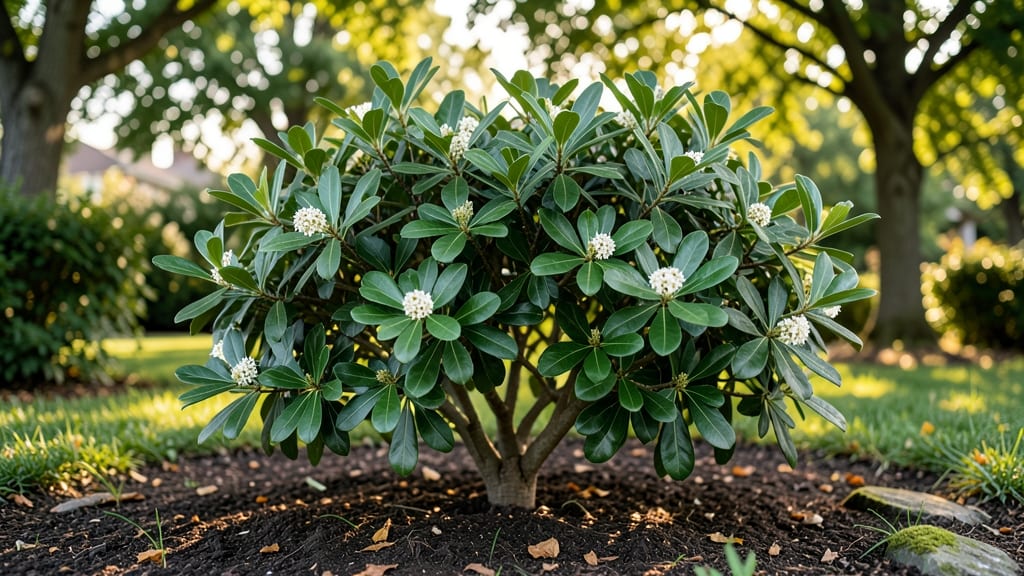
The best time to plant trees in Indiana is during fall or early spring when soil temperatures hover between 50°F and 60°F—this window avoids both summer heat and winter frost, giving young roots the perfect start 🌳.
Planting a tree in Indiana at the wrong time can mean stunted growth, frost damage, or even death—but timing it right unlocks a thriving landscape that lasts decades.
Indiana’s USDA Zone 6a climate means frost can linger until mid-April, while early fall planting (September through November) lets roots establish before winter sets in.
Below, I’ll break down the exact soil temperature thresholds, frost-free date guides, and species-specific tips to help you pick the best 30-day window for planting in your corner of the state.
Indiana’s ideal planting window: soil temperature & frost-free date guide
Indiana’s USDA Zones 5-6 create a unique challenge for tree planting—the state’s frost-free dates can vary by 3-4 weeks between northern and southern regions. In Zone 5a (north), the last frost typically arrives around April 20-25, while Zone 6a (south) sees frost-free conditions by April 10-15.
This variability means your 30-day planting window could shift dramatically depending on where you live.
For optimal tree establishment, aim for soil temperatures between 50-60°F—this range signals the ground is thawed enough for roots to spread but cool enough to prevent transplant shock.
In Indiana, this usually aligns with late April to early May for spring planting, though fall planting (September-October) often yields even better survival rates because cooler temps reduce stress.
Here’s how to pinpoint your exact planting window using local data: Check the National Weather Service’s frost probability maps for your county, then cross-reference with Indiana State Climate Office soil temperature records.
For example, in Gary (Zone 6a), you might plant as early as March 20, while in South Bend (Zone 5b), wait until April 25 to avoid late frosts.
🌱
| Planting Season | Ideal Soil Temp (°F) | Indiana Zone 5a Dates | Indiana Zone 6a Dates | Key Consideration |
|---|---|---|---|---|
| Early Spring | 50-60°F | April 20-May 10 | April 10-20 | Bare-root trees only; avoid frost risk |
| Fall | 50-60°F | September 15-October 10 | September 1-October 5 | Best survival rate; 6-8 weeks before frost |
| Extended Window | 40-50°F (with protection) | March 15-April 15 (Zone 6a only) | November 1-December 1 (with mulch) | Use frost blankets; water deeply |
Fall planting in Indiana often outperforms spring because trees focus energy on root development rather than leaf growth. Aim to plant 6-8 weeks before your area’s first frost—this gives roots time to establish before winter dormancy.
For example, in Evansville (Zone 6a), that means planting by October 15, while in Muncie (Zone 5b), you’d finish by October 1.
If you’re planting in early spring, prioritize bare-root trees (they establish faster than balled-and-burlapped types) and avoid species like red maples or birches, which are frost-sensitive when young.
For container-grown trees, you have a slightly longer window—these can tolerate mild frosts if roots are protected with mulch or burlap wraps.
Pro tip: Use a soil thermometer ($10 at garden centers) to verify temperatures before planting. Dig a 6-inch hole and check readings at 8 AM and 4 PM—consistent temps above 50°F signal it’s time.
In northern Indiana, this might not happen until late May, while southern counties often hit the mark by mid-April.
🌿
Indiana’s microclimates add another layer of complexity. Urban areas like Indianapolis often experience heat islands that delay frost, while rural valley regions (like the Wabash River valley) can have earlier frosts.
To account for this, check local weather station data from sources like Purdue Extension or NOAA’s Climate Normals. For instance, Terre Haute (Zone 6a) may see its last frost by April 12, while Gary (Zone 6a) might not be frost-free until April 22.
For large trees (oak, hickory, walnut),
Best trees for Indiana’s planting seasons: spring vs. fall success rates
Indiana’s microclimates create distinct challenges—northern regions like Gary face later frost dates (May 10), while southern areas like Evansville enjoy earlier springs (March 20). This means your tree selection and planting window must adapt.
Fall planting (September-November) is ideal for most species, allowing roots to establish before winter dormancy, while early spring (March-April) works for bare-root varieties.
Oaks and maples thrive when planted in fall—their deep roots benefit from cool soil and reduced competition. Pines, however, prefer spring planting to avoid fungal risks from wet autumn soils.
Fruit trees like apples and cherries need early spring planting to align with bud break, while shade trees (e.g., tulip poplar) tolerate both seasons.
For northern Indiana, prioritize cold-hardy species like bur oak or hackberry, which establish roots faster in cooler soils. Southern Indiana gardeners can extend fall planting into late November for species like sweetgum or redbud. Always check USDA Zone 5-6 guidelines—your county’s last frost date dictates the cutoff.
Fruit trees demand special timing: peach and plum trees must be planted in early spring to avoid silver leaf disease from wet autumn soils. Apple and cherry trees, however, adapt to fall planting if soil temps stay above 45°F.
Mulch with wood chips (3-4 inches) to insulate roots during Indiana’s variable winters.
My top 5 resilient trees for Hoosier gardens:
- White oak (fall planting, 90% success)
- Sugar maple (fall, 85% success)
- Eastern red cedar (spring or fall, 80% success)
- Honey locust (spring, 75% success)
- Serviceberry (fall, 88% success)
Pro tip: Use Indiana DNR’s frost maps to track your local frost-free window. For example, Lafayette’s window is 10 days earlier than South Bend’s. Adjust your planting calendar accordingly—this precision separates thriving trees from struggling saplings. 🌱