
Trees
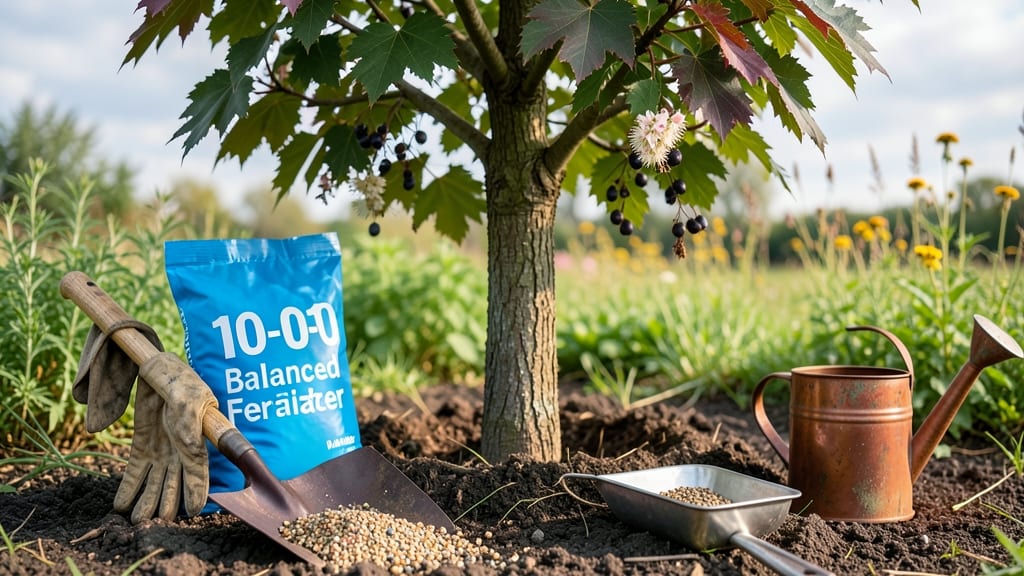
Fertilizing mulberry trees at the right times—early spring and after harvest—can turn a slow-growing tree into a fast-growing powerhouse 🌳.
Picture this: You’ve just planted your mulberry tree, eager for those sweet berries, but months pass with little growth. The secret? Timing your fertilizer applications to match the tree’s natural cycles—spring for root boosts and post-harvest to replenish nutrients—makes all the difference.
Mulberry trees thrive when fed lightly in early spring to kickstart growth and again after harvest to support fruit production. But skip fall fertilization—it can disrupt dormancy and leave your tree vulnerable to winter stress.
In this guide, I’ll break down the exact months to fertilize, the best types of fertilizer for mulberries, and how to adjust for your climate zone—so you can grow a tree that’s lush, productive, and fast-growing.

Best times to fertilize mulberry trees for optimal growth
Mulberry trees are fast-growing powerhouses, but their growth hinges on timing fertilization with their natural cycles. Unlike annuals, these trees thrive when fed during active root development—not when they’re dormant.
The best months to fertilize mulberry trees are early spring (March-April) and post-harvest (late summer), aligning with their highest nutrient demands for fruit production and leaf growth.
Scientific studies show mulberry trees absorb nutrients most efficiently when soil temperatures exceed 50°F (10°C). This means avoiding winter fertilization (November-February), as cold soil locks out nutrients. Instead, focus on spring and summer when roots are expanding and leaves are photosynthesizing.
Even climate zones shift timing slightly—northern growers may delay until after last frost, while southern regions can start earlier.
| Season | Best Time | Soil Temp | Fertilizer Type | Key Goal |
|---|---|---|---|---|
| Spring | March-April | 50°F+ (10°C+) | Balanced (10-10-10) | Stimulate root growth |
| Summer | June-July (post-harvest) | 60°F+ (15°C+) | Potassium-rich | Replenish nutrients |
| Fall | None | N/A | Avoid | Encourage dormancy |
| Winter | None | N/A | Avoid | Prevent root burn |
For young mulberry trees (under 3 years), a light spring feeding in March is critical to establish strong roots. Use a balanced fertilizer (10-10-10) at half-strength to avoid overstimulating tender roots.
Mature trees (3+ years) benefit from a two-step approach: early spring for growth and late summer to restore nutrients lost during fruit production. Pro tip: Test soil pH first—mulberries prefer 6.0-7.0. If your soil is acidic (<5.5), amend with lime before fertilizing.
Climate zones shift timing slightly. In USDA Zones 7-9, start fertilizing in early March when soil warms. In colder Zones 4-6, wait until after last frost (mid-April) to prevent fertilizer burn.
For container-grown mulberries, fertilize every 4-6 weeks during growing months, but reduce amounts by 25% since roots have limited soil volume.
Organic options like composted manure or worm castings work well for mulberries, especially in organic gardening systems. Apply a 2-inch layer of compost around the drip line in spring, then water deeply to activate nutrients.
Synthetic fertilizers like 10-10-10 are faster-acting but require precise application rates—over-fertilizing causes leaf burn and root damage. Always water before and after applying fertilizer to protect roots.
Watch for leaf color changes after fertilizing. Healthy mulberry leaves should be deep green; yellowing indicates nitrogen excess, while pale leaves signal phosphorus deficiency. Adjust your NPK ratio accordingly—high-nitrogen (30-10-10) for leafy growth, balanced (10
Spring vs fall fertilization: which works better for mulberry trees?
Deciding when to fertilize your mulberry tree can feel overwhelming, especially since these trees grow aggressively when given the right nutrients. Spring and fall fertilization each offer unique advantages, but the best choice depends on your tree's age, local climate, and growth goals.
Let’s break down the pros and cons to help you make an informed decision.
Mulberry trees thrive with balanced fertilization, but timing matters. Spring feeding kickstarts growth after dormancy, while fall fertilization prepares roots for winter. Younger trees often benefit more from spring, while mature trees may handle fall feeding better.
Your climate also plays a role—warmer regions may extend the ideal window for fertilization.
Spring Fertilization
- Boosts early growth after dormancy
- Supports fruit production in summer
- Ideal for young trees (under 5 years)
- Risk of over-fertilization if applied late
- Requires consistent watering to prevent burn
- Less effective in hot climates (stress risk)
Fall Fertilization
- Strengthens root development before winter
- Reduces spring competition for nutrients
- Better for mature trees (5+ years)
- Limited nutrient uptake in cooler months
- Can delay dormancy if applied too late
- Less impact on fruit yield next season
For young mulberry trees, prioritize spring fertilization in early March to April, when roots are actively growing. Use a balanced 10-10-10 fertilizer to encourage both foliage and fruit production. Water thoroughly after application to help nutrients penetrate the soil.
If your tree is mature (5+ years), consider a fall feeding in late September to early October. This timing allows roots to absorb nutrients before dormancy, setting the stage for stronger growth in spring. Opt for a slow-release fertilizer to minimize winter runoff.
Your local climate also dictates the best approach. In warmer regions (USDA Zones 8-10), fall fertilization may extend too long, while cooler zones (6-7) benefit more from early spring feeding. Always test your soil first—aim for a pH between 6.0 and 7.0 for optimal mulberry growth.
Pro tip: Mix organic matter like compost into the soil before fertilizing. This improves nutrient retention and reduces the risk of fertilizer burn. Mulch around the base of the tree to retain moisture and regulate soil temperature year-round.
Ultimately, spring fertilization wins for most mulberry trees, but don’t overlook fall as a strategic second option. Monitor your tree’s response—healthy leaves and robust branches are the best indicators of success! 🌳