
Plants
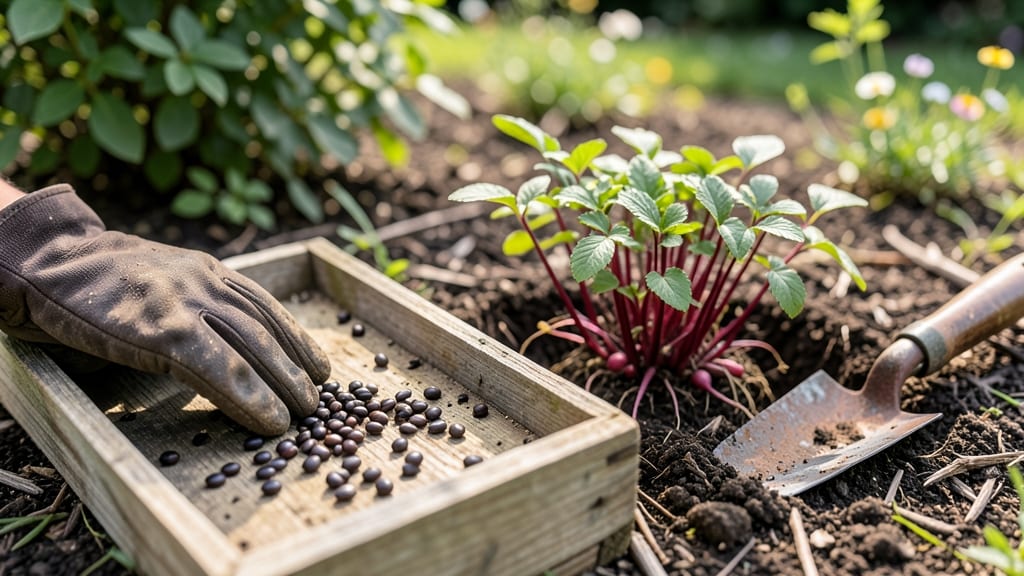
Planting beet seeds in Zone 6 at the right time ensures fast germination and a thriving harvest—aim for after your last frost, when soil warms to 50°F.
Timing is everything when growing beets 🍠—plant too early, and frost will kill your seedlings; too late, and you’ll miss the sweetest harvest. In Zone 6, that means waiting until mid-April for spring plantings or late July for a fall crop.
Soil temperature is the key: beets need 50–85°F to germinate quickly, which rules out early spring or late summer unless you’re using cold-hardy varieties. The average last frost in Zone 6 is April 15, but microclimates can shift that window by weeks.
Below, I’ll break down the exact frost-free window for Zone 6, how to adjust for early/late varieties, and the best succession planting schedule to keep beets coming all season.
Optimal planting dates for beet seeds in Zone 6: avoiding frost and heat stress
Beets thrive in Zone 6 when planted during the frost-free window, which typically runs from mid-March to early April for spring crops and late July to early August for fall harvests.
The key is avoiding soil temperatures below 50°F or above 85°F, as these extremes stress seedlings and reduce germination rates.
In Zone 6, the average last frost date is around April 15, but microclimates can shift this by 1–2 weeks. For example, low-lying areas may experience frost 2 weeks later than hilltops. Always check your local USDA Plant Hardiness Zone Map and adjust planting dates accordingly.
Beets are cool-season crops, meaning they prefer soil temperatures between 50–75°F for optimal germination. If you plant too early, seedlings may rot in cold soil, while late planting risks bolting (premature flowering) as temperatures rise. Aim for a balance to ensure fast, even sprouting and robust root development.
Here’s a quick reference for your planting schedule in Zone 6:
For spring planting, start seeds indoors 4–6 weeks before your last frost date if you’re using transplants. Direct-sow seeds outdoors 2 weeks after the last frost when soil reaches at least 50°F. Use a soil thermometer to monitor—beets won’t germinate well in colder soil.
If you’re aiming for a fall harvest, plant seeds in late July or early August to ensure they mature before the first frost (October 15 in Zone 6).
Choose bolting-resistant varieties like ‘Detroit Dark Red’ or ‘Golden’ for heat tolerance. Avoid planting after mid-August, as seedlings may struggle to establish before winter.
Pro tip: Use black plastic mulch or row covers to warm soil faster in early spring. This can push your planting window 1–2 weeks earlier and give you a head start on germination. Just remove covers once seedlings emerge to prevent overheating.
Heat stress is another enemy of beet seeds. If daytime temperatures exceed 85°F, germination slows or stops. To combat this, plant in partial shade during peak summer months or use shade cloth (30–50%) to protect seedlings. Water deeply in the morning to keep soil cool and moist.
Finally, don’t overlook succession planting. Sow a new batch of seeds every 2–3 weeks from spring to early summer for a continuous harvest. This strategy works especially well in Zone 6, where the growing season is 165 frost-free days long.
Just stop planting by mid-August to avoid immature beets before frost.
How to extend your beet harvest in Zone 6: successive planting for continuous yields
If you love fresh, homegrown beets but hate the idea of a short-lived harvest, successive planting is your secret weapon.
By spacing out your plantings every 2–3 weeks from spring to early fall, you’ll enjoy a steady supply of tender roots instead of a single overwhelming bounty all at once.
In Zone 6’s shorter growing season, this strategy ensures you don’t miss out on sweet, young beets when summer heat arrives.
Beets thrive in cool weather, but they won’t bolt if planted too early or struggle in mid-summer heat. The key is to start your first batch as soon as the soil reaches 50°F—typically mid-March to early April—and keep planting every 2–3 weeks until late July.
This way, you’ll always have fresh beets ready to harvest before the first frost hits in mid-October.
Plant your first batch as soon as soil reaches 50°F. Use cold-hardy varieties like Detroit Dark Red or Golden for early harvests.
Space plantings 2–3 weeks apart to ensure a continuous harvest. Stop by late July to avoid heat-stressed seedlings.
For a fall crop, sow seeds in late July using bolt-resistant varieties like Chioggia. Harvest before first frost (mid-October in Zone 6).
To make successive planting work, focus on proper spacing and soil prep. Sow seeds ½ inch deep and 1–2 inches apart, then thin seedlings to 3–4 inches apart once they’re 2 inches tall.
Loosen the soil before planting to improve germination rates, and mix in compost for nutrient-rich soil. Mulch with straw to retain moisture and suppress weeds, which is especially important during hot, dry spells.
Bolting is a common issue when beets experience temperature swings or drought stress. To prevent it, keep the soil consistently moist and avoid planting during extreme heat waves. If you notice flower stalks forming, harvest the beets immediately—they’ll be sweeter and more tender before bolting sets in.
With this method, you’ll enjoy fresh beets from June through October, with minimal gaps in your harvest.
Don’t forget to rotate planting locations each season to prevent soil-borne diseases. Beets are heavy feeders, so replenish nutrients with a balanced fertilizer (like 5-10-10) every 4–6 weeks. With these tips, you’ll turn your beet harvest from a one-time feast into a season-long celebration.