
Planting
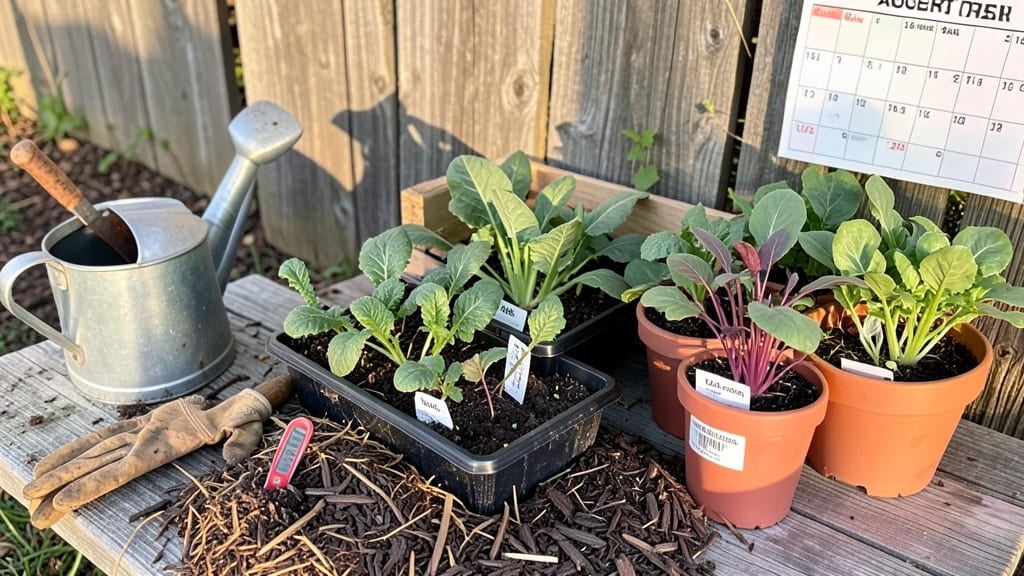
Planting a fall garden in Texas demands precision—get the timing wrong, and summer’s heat or an early frost will wipe out your harvest before you even taste it.
Texas gardeners know timing is everything—plant your fall crops too early, and summer’s heat will fry them; too late, and frost will strike before harvest. But with Texas’ diverse microclimates, the "perfect" planting window varies by week and region.
North Texas, where frosts can arrive as early as November 15, needs cool-season crops in the ground by mid-September, while South Texas can stretch planting until early October thanks to milder winters. Even within a single county, urban heat islands can delay frost by weeks.
This guide breaks down the exact weeks to plant by zone, the top 5 fall crops that thrive in Texas heat, and the soil prep secrets that keep your garden productive—no matter where you live in the Lone Star State.
Texas fall planting deadlines by microclimate zone (weeks 30-40)
Texas' fall planting season kicks off around Week 30 (early August) and stretches through Week 40 (early October), but the exact timing depends on your microclimate zone.
North Texas gardeners face earlier frost risks, while South Texas can extend planting later. Urban areas often have 2-4°F warmer microclimates than rural zones, creating localized planting windows.
For North Texas (USDA Zones 7b-8a), the sweet spot is Weeks 32-36 (mid-August to early September). This gives cool-season crops like broccoli and kale enough time to mature before the first frost (typically November 15-30).
Meanwhile, South Texas (Zones 8b-9a) can plant heat-tolerant crops like okra and sweet potatoes until Week 38 (early October).
Central Texas (Zones 8a-8b) falls in between, with ideal windows spanning Weeks 31-37. My urban Austin garden thrives when I plant collard greens in Week 33 and turnips by Week 35—just in time for Thanksgiving harvests.
🌱
| Microclimate Zone | Week Range | Cool-Season Crops | Heat-Tolerant Crops | Urban Adjustment |
|---|---|---|---|---|
| North Texas (Zones 7b-8a) | Weeks 32-36 | Broccoli, Kale, Spinach | Okra (early), Sweet Potatoes | Plant 1 week later |
| Central Texas (Zones 8a-8b) | Weeks 31-37 | Cabbage, Brussels Sprouts, Lettuce | Collard Greens, Turnips | Plant 5-7 days earlier |
| South Texas (Zones 8b-9a) | Weeks 30-38 | Mustard Greens, Radishes | Sweet Potatoes, Peppers | Plant 10 days later |
| 🌡️ Key Temperature Notes: | ||||
| Soil temp should be 60-75°F for cool crops; 75-85°F for heat lovers | ||||
In North Texas, I always prioritize fast-maturing crops like radishes (25 days) and bok choy (30 days) to avoid early frosts. For Central Texas, my strategy is to stagger plantings every 10-14 days—starting with broccoli in Week 31 and adding Brussels sprouts in Week 35.
This ensures continuous harvests through December.
South Texas gardeners have the luxury of extended growing seasons. Here, I recommend planting sweet potatoes in Week 30 for a 120-day harvest and mustard greens in Week 36 for quick 30-day turns**.
The key is monitoring soil temps—once they drop below 60°F, even heat-tolerant crops like okra struggle.
Urban vs. rural differences matter! City gardens often stay warmer at night due to the urban heat island effect. In my Dallas backyard, I adjust planting dates by 5-7 days later than rural recommendations.
Conversely, rural areas with cooler nights may need to plant cool-season crops 1-2 weeks earlier.
Pro tip: Use row covers to extend harvests in all zones. In North Texas, they can add 2-3 weeks of growing time before frost. For South Texas, they help protect heat-sensitive crops like lettuce
Top 5 fall crops for Texas and their ideal planting strategies
Fall gardening in Texas rewards patience and precision—choosing the right crops and timing them perfectly can mean the difference between a bountiful harvest and a sad, wilted disappointment.
The best fall crops for Texas balance heat tolerance with cool-season resilience, thriving in the 80-60°F range that defines our autumn transition. My top five picks deliver high yields with minimal fuss, perfect for beginners and seasoned gardeners alike.
Leafy greens like spinach and lettuce top the list for their rapid growth and forgiving nature, while root vegetables such as carrots and beets reward careful soil prep with sweet, tender rewards. Don’t overlook brassicas like Brussels sprouts and cabbage, which develop deeper flavors in cooler weather.
For true Texas toughness, collard greens and turnips handle lingering summer heat better than most cool-season crops.
For leafy greens, aim to plant spinach and lettuce between mid-August and early September in North Texas, or stretch to late August in South Texas where heat lingers longer. These crops prefer well-draining soil with a pH of 6.0-7.0—amend heavy clay with compost to improve aeration.
I’ve found that loose, friable soil prevents bolting, especially for heat-sensitive varieties like Baby Leaf Spinach.
Root vegetables like carrots and beets need consistent moisture during germination, so water deeply twice weekly after sowing. Plant seeds ¼-inch deep in rows spaced 12-18 inches apart to prevent overcrowding.
For Brussels sprouts, start seeds indoors 8-10 weeks before your average first frost (typically mid-October in North Texas), then transplant seedlings into full sun with rich, nitrogen-heavy soil.
Heat-resistant collard greens and turnips can handle direct seeding in late July in South Texas, while North Texas gardeners should wait until early August. These crops tolerate poor soil conditions better than most, but adding aged compost boosts yields.
I’ve seen turnips mature in just 45 days when planted in warm soil, making them ideal for quick harvests before winter sets in.
Pro tip: Mulch heavily with straw or shredded leaves to retain soil moisture and regulate temperatures. This is especially critical in West Texas, where daytime highs can still flirt with 90°F in early October.
For Brussels sprouts, mulch also protects developing sprouts from cold snaps, ensuring a sweeter harvest. Always remove mulch 3-4 inches from plant stems to prevent rot.
Timing your fall garden in Texas isn’t just about avoiding frost—it’s about leveraging residual summer heat while preparing for cooler nights. By choosing these five high-yield crops and following their region-specific planting windows, you’ll enjoy fresh harvests well into December. Happy planting! 🌱